
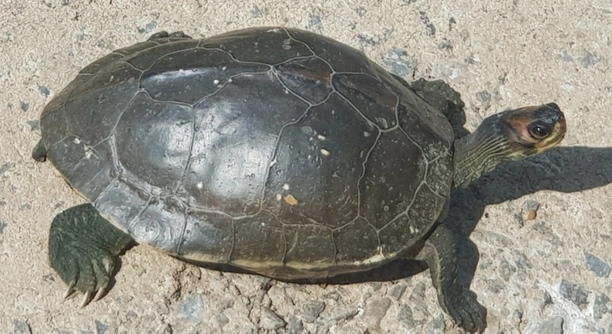
If your Indian Roofed Tortoise’s shell feels soft, it may indicate a health concern. Tortoise owners should address this issue promptly to prevent further complications and ensure their pet’s well-being.
A soft shell in Indian Roofed Tortoises is typically caused by improper diet, insufficient UVB exposure, or a lack of calcium. These factors can lead to metabolic bone disease, which weakens the shell and bones. Immediate corrective measures are necessary.
Understanding the causes and solutions for a soft shell can help restore your tortoise’s health and prevent long-term damage.
Causes of Soft Shell in Indian Roofed Tortoises
A soft shell in your Indian Roofed Tortoise usually stems from a few common causes. One of the main reasons is a lack of calcium in their diet. Calcium is essential for maintaining a strong shell, and without it, their shells become weak and soft. Another factor is insufficient UVB light exposure. UVB light helps tortoises synthesize vitamin D3, which is vital for calcium absorption. Without adequate UVB, the body cannot process calcium effectively. Lastly, dehydration and improper humidity levels can also contribute to a soft shell. It is important to check these aspects regularly to ensure your tortoise remains healthy.
If you suspect your tortoise’s shell is soft, first examine their diet and lighting setup. Ensure they receive enough calcium through food and supplements.
In addition to diet and lighting, stress, poor living conditions, and lack of proper care can also weaken your tortoise’s shell. Provide a consistent environment with proper humidity, temperature, and regular veterinary check-ups to avoid such issues.
How to Treat a Soft Shell
To treat a soft shell, the first step is adjusting their diet. Provide calcium-rich foods such as leafy greens and calcium supplements.
UVB lighting is equally important. Ensure your tortoise’s habitat includes a UVB light to help with vitamin D3 synthesis. Consider using a high-quality UVB bulb, and keep it within the proper distance from your tortoise.
Next, ensure that the enclosure’s temperature and humidity levels are suitable. Too high or low humidity can cause skin and shell problems. Keep the environment between 75°F and 85°F with a humidity level of 50% to 70%. Regular hydration also helps. If necessary, consult a vet to confirm the exact cause and treatment for your tortoise’s soft shell.
Maintaining proper care and a balanced diet for your tortoise is essential for keeping their shell strong and healthy.
Adjusting Diet for a Stronger Shell
Ensure your tortoise gets enough calcium, as a calcium deficiency is one of the leading causes of a soft shell. Incorporate foods like collard greens, dandelion greens, and kale. Also, consider adding calcium supplements to their diet if necessary.
Calcium is vital for the development and strength of a tortoise’s shell. If their diet lacks enough calcium, they won’t be able to form a solid structure. It’s important to supplement their diet with calcium powder or cuttlebone. Be sure to sprinkle the powder on fresh vegetables or provide the cuttlebone as a chewable source. Avoid over-supplying phosphorus, as it can prevent proper calcium absorption.
Always monitor the amount of calcium your tortoise receives. Too much of it can lead to kidney issues, but too little will result in weakened shells. A balanced diet is crucial for your tortoise’s health and shell maintenance.
Proper Lighting for Healthy Shell Development
UVB lighting plays a crucial role in helping your tortoise absorb calcium properly. Ensure your tortoise is exposed to UVB light for 10-12 hours each day.
UVB light helps tortoises produce vitamin D3, essential for calcium metabolism. Without proper exposure to UVB, calcium is not absorbed effectively, leading to soft shells and weakened bones. It’s important to install a quality UVB light in your tortoise’s enclosure. Make sure it’s positioned at an appropriate distance from them to get the full benefit.
Replacing UVB bulbs is essential as they lose their effectiveness over time. Regularly check the strength of the bulbs and replace them every 6 to 12 months to ensure your tortoise gets the light they need.
Ensuring Proper Humidity and Temperature
Maintaining the right temperature and humidity is essential for your tortoise’s shell health. Too much humidity can lead to mold or fungal growth, while too little can cause dehydration.
The ideal temperature range for an Indian Roofed Tortoise is between 75°F and 85°F. This helps regulate their metabolism and overall health. For humidity, aim for 50-70%, as this mimics their natural environment and helps with hydration. Adjusting the habitat accordingly will ensure they remain comfortable.
Stress Reduction for Shell Health
A stressed tortoise can experience weakened immune systems and shell issues. Provide a stable, quiet environment and avoid frequent handling.
Stress can lead to behavioral changes and physical health issues in tortoises. Keeping their habitat calm, secure, and free from loud noises will help them feel safe. Regular, gentle handling is fine, but excessive interaction can add stress. Ensure they have hiding spots and enough space to move around freely.
Consult a Veterinarian
If your tortoise’s shell remains soft despite dietary and environmental adjustments, it’s time to see a vet.
A veterinarian will conduct an examination to rule out any underlying health conditions. They can recommend the best course of treatment, such as calcium injections or a specialized diet. Early intervention is key to preventing further health complications.
FAQ
Why is my Indian Roofed Tortoise’s shell soft?
A soft shell typically indicates a calcium deficiency, insufficient UVB light, improper temperature, or dehydration. These factors prevent your tortoise from absorbing enough calcium, which is essential for a strong shell. Check their diet, lighting, and environment to pinpoint the cause and take corrective action.
How can I increase calcium in my tortoise’s diet?
You can increase calcium by offering calcium-rich foods such as leafy greens, like collard greens, dandelion greens, and kale. Adding calcium supplements, such as calcium powder or cuttlebone, can also help. Sprinkle the calcium powder on their food for easy consumption. Be mindful not to over-supplement, as this can cause other health issues.
How do I provide the right UVB lighting for my tortoise?
UVB lighting is vital for calcium absorption. Use a high-quality UVB bulb and ensure it is placed at the proper distance from your tortoise. The light should be on for 10-12 hours a day, simulating natural sunlight. Replace UVB bulbs every 6-12 months, as they lose effectiveness over time.
What temperature and humidity should I maintain for my tortoise?
The ideal temperature range for an Indian Roofed Tortoise is between 75°F and 85°F. Humidity should be kept between 50% and 70%. These conditions mimic their natural environment and help regulate their metabolism and hydration. Ensure proper ventilation while avoiding excessive moisture, which can lead to mold.
Can stress affect my tortoise’s shell?
Yes, stress can negatively impact your tortoise’s shell and overall health. A stressed tortoise may not eat properly, affecting its nutritional intake and calcium absorption. To reduce stress, keep their habitat calm and provide plenty of hiding spots. Avoid excessive handling, as this can cause additional anxiety.
How can I tell if my tortoise is stressed?
Signs of stress in tortoises include lack of appetite, changes in behavior, excessive hiding, or aggression. They may also display signs of lethargy. If you notice any of these changes, it’s essential to check their environment for any potential stressors, like sudden temperature fluctuations, excessive handling, or loud noises.
Is it normal for my tortoise’s shell to feel soft sometimes?
It is not normal for a tortoise’s shell to feel soft for extended periods. A soft shell is a sign of underlying health issues, such as a calcium deficiency, poor diet, or inadequate UVB exposure. If the shell remains soft despite addressing these factors, it’s crucial to consult a vet.
Can dehydration cause a soft shell?
Yes, dehydration can cause a soft shell. Tortoises need access to fresh water at all times, and insufficient hydration can lead to shell and skin problems. Ensure your tortoise’s habitat includes a shallow water dish and regular misting to maintain proper humidity.
How do I know if my tortoise is dehydrated?
Signs of dehydration in tortoises include sunken eyes, dry skin, lethargy, and a lack of appetite. If you notice these signs, increase their water intake and humidity levels. You can also soak your tortoise in shallow water for 10-15 minutes to help with hydration.
Should I take my tortoise to the vet if I notice a soft shell?
If you notice a soft shell and your tortoise’s diet and habitat have been adjusted, it’s essential to consult a veterinarian. A vet can conduct a thorough examination to identify any underlying health issues and recommend the appropriate treatments, such as calcium injections or a specialized diet.
Can I prevent a soft shell from happening again?
Yes, you can prevent a soft shell by maintaining a consistent diet, proper UVB lighting, correct temperature, and humidity. Regularly monitor your tortoise’s health and environment. If you notice any signs of softening, take immediate action to correct the issues before they worsen. Regular vet check-ups can help catch problems early.
What are some calcium-rich foods for my tortoise?
Calcium-rich foods for tortoises include dark leafy greens like collard greens, dandelion greens, and mustard greens. You can also offer calcium-rich vegetables like turnip greens and bok choy. Fruits such as figs and papaya also contain calcium but should be given in moderation due to their high sugar content.
Can I use calcium supplements for my tortoise?
Yes, calcium supplements are beneficial if your tortoise’s diet isn’t sufficient. You can use calcium powder and sprinkle it over their food. Cuttlebone is another great supplement that your tortoise can chew. Be sure not to over-supplement, as this can lead to other health problems, including kidney issues.
What type of UVB light should I use for my tortoise?
Use a UVB bulb designed for reptiles that provides both UVA and UVB light. Ensure the bulb is the correct strength for your tortoise’s enclosure size and the appropriate distance from them. Reptile UVB bulbs come in a range of strengths, so be sure to select the right one for your tortoise’s needs.
How long should I keep the UVB light on for my tortoise?
Your tortoise should have access to UVB light for 10-12 hours a day. This simulates natural sunlight, which is crucial for vitamin D3 production and calcium absorption. The light should be turned off at night to give your tortoise a rest period.
Can my tortoise’s shell harden again?
Yes, with proper care, your tortoise’s shell can harden over time. If the soft shell is caused by a calcium deficiency or improper UVB exposure, adjusting their diet, lighting, and environment can help restore shell strength. Consistency is key to ensuring long-term shell health.
How can I tell if my tortoise’s shell is hard enough?
A healthy tortoise shell should feel firm and solid. If the shell gives slightly when pressed gently, it may still be soft. Over time, as you provide proper care, the shell should firm up and maintain its strength. Regular monitoring of their diet and environment is essential.
Final Thoughts
Addressing a soft shell in your Indian Roofed Tortoise is crucial to ensuring their health and well-being. The condition often points to underlying issues, such as a lack of calcium, insufficient UVB light, or incorrect environmental conditions. Each of these factors is vital for the tortoise’s overall health and shell development. With the right changes, such as a proper diet, proper lighting, and humidity control, you can help your tortoise regain a healthy, firm shell. By closely monitoring your tortoise’s habitat and diet, you will increase the chances of preventing future shell issues.
Taking action early is important. Softness in the shell should not be ignored, as it can lead to more serious problems if left untreated. A healthy tortoise requires consistent care, so regular checks of your pet’s diet, hydration, and environmental conditions are essential. Using proper calcium supplements, adjusting lighting schedules, and ensuring the right temperature and humidity can prevent shell softening. If the condition persists or worsens, consulting a veterinarian will help identify more serious concerns and allow for proper treatment.
A healthy shell is a reflection of the care you provide. By being proactive about your tortoise’s needs, you ensure that they thrive. Focus on providing a balanced diet rich in calcium, optimal lighting for vitamin D3 production, and a stable, well-maintained environment. With these efforts, your tortoise will live a healthier and happier life, free from the risks of a soft shell. Regular vet visits will also ensure that any underlying issues are addressed early.

Hello,
If you enjoy the content that we create, please consider saying a "Thank You!" by leaving a tip.
Every little bit helps us continue crafting quality advice that supports the health, happiness, and well-being of pets around the world, for pets of all shapes, sizes, and species.
We really appreciate the kindness and support that you show us!