
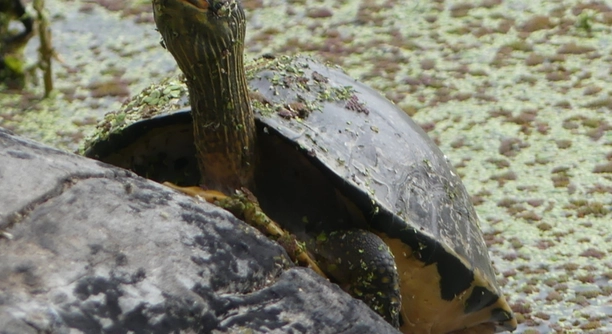
Indian Roofed Tortoises are known for their unique behaviors. One common action owners notice is pacing back and forth. This can be puzzling, especially when you are unsure if it’s normal or something to be concerned about.
Pacing in Indian Roofed Tortoises is often a sign of stress, boredom, or an attempt to establish territory. These reptiles may pace if they feel confined or lack sufficient mental stimulation, such as hiding spots or varied environments.
Understanding this behavior can help improve your tortoise’s well-being. Making a few simple adjustments can encourage healthier, more natural behaviors for your pet.
Reasons Behind Pacing
Pacing is a behavior that often catches the attention of Indian Roofed Tortoise owners. When they move back and forth, it’s usually a sign of restlessness. This behavior can happen for several reasons. One of the main causes is a lack of stimulation. Tortoises need space to explore and mental challenges to stay engaged. Without these elements, pacing can become a way for them to burn off excess energy or even express frustration. Additionally, they may pace due to environmental factors like temperature or lighting. If conditions are not ideal, it can cause them to feel unsettled and exhibit behaviors like pacing.
One other factor to consider is the enclosure size. If your tortoise has limited space, it may pace in an attempt to find a larger area to move around. This is a common response when they feel confined or unable to fulfill natural behaviors.
Improving your tortoise’s habitat can go a long way in reducing pacing. Make sure the environment is large enough for them to roam comfortably. Providing varied hiding spots and enriching their surroundings with safe plants and objects can help reduce the likelihood of pacing. Temperature and lighting also play a crucial role in their comfort. Check these aspects to ensure their environment is ideal for relaxation and exploration.
How to Address Pacing
A simple adjustment to your tortoise’s environment can lead to noticeable changes in their behavior. Start by increasing their space to move around. A larger enclosure allows your tortoise to explore naturally.
Offering more enrichment options can help as well. Tortoises are naturally curious creatures, and giving them more variety in their surroundings can reduce stress. Include safe plants, logs, and rocks for them to climb on or hide under. These additions create a more stimulating environment that can distract them from pacing.
Stress Factors
Stress can trigger pacing in Indian Roofed Tortoises. Changes in their environment, like loud noises or unfamiliar animals, can upset them. When they feel threatened or anxious, they may pace as a way of coping with the stress.
To reduce stress, make sure their habitat is quiet and calm. Avoid placing the enclosure in high-traffic areas or near loud sources of noise. It’s also important to limit exposure to other pets or animals that might intimidate the tortoise. A stable and predictable environment promotes a sense of safety, which can help calm them.
Creating a consistent routine can also help your tortoise feel more secure. Regular feeding times and familiar handling can reduce anxiety. It’s important to avoid making drastic changes to their environment, as this can increase stress levels. When tortoises are calm, they are less likely to pace and more likely to engage in healthier behaviors.
Space and Enclosure Size
If your Indian Roofed Tortoise doesn’t have enough space, it may begin pacing. Small enclosures can cause stress, which leads to repetitive movements. Ensure their home provides enough room for them to move freely.
An enclosure should be at least four times the size of your tortoise’s shell. This gives them the freedom to roam and explore. A cramped space can result in pacing, as the tortoise is instinctively trying to move beyond the barriers. If their environment is too small, they may feel trapped and frustrated.
In addition to space, the layout of the enclosure matters. Make sure there are multiple levels or hide spots for your tortoise to explore. The more variety in their environment, the better. This encourages natural behaviors and reduces pacing. Adding natural elements, like safe plants or rocks to climb, can also promote mental stimulation and discourage restless movements.
Temperature and Lighting
Incorrect temperature or lighting can contribute to pacing. Tortoises are sensitive to their environment, and discomfort can cause stress. Ensure that the temperature and lighting are suitable for your tortoise’s needs.
A warm basking spot is essential, with a cooler area for resting. The temperature gradient allows your tortoise to regulate its body temperature. Proper lighting, including UVB light, is crucial for their overall health and can reduce restless behavior. Make sure their environment mimics natural conditions.
Diet and Hydration
Pacing may also be linked to diet and hydration. If your tortoise isn’t getting enough food or water, it may pace due to hunger or thirst.
Providing a balanced diet and ensuring they have constant access to fresh water can help eliminate this issue. Dry or improperly balanced diets can lead to dehydration or malnutrition, causing your tortoise to act out. Regularly check that their food and water intake meets their needs.
Health Concerns
Pacing could be a sign of underlying health problems. If your tortoise seems lethargic or shows other signs of illness, it might pace as a way of expressing discomfort. Consult with a vet if you notice any unusual symptoms.
FAQ
Why is my Indian Roofed Tortoise pacing back and forth?
Pacing is a common behavior in tortoises, often linked to stress, boredom, or an unsuitable environment. Tortoises pace when they feel confined or unsettled. It may also indicate that they’re trying to establish territory or are experiencing discomfort due to improper temperature or lighting. Offering a larger, more enriching environment can help reduce this behavior.
How can I reduce pacing in my tortoise?
To reduce pacing, start by improving their habitat. Ensure they have enough space to roam, with plenty of hiding spots, climbing surfaces, and a variety of textures to explore. You should also check the temperature and lighting, making sure they are optimal for your tortoise’s needs. Adding more enrichment like safe plants and objects can help alleviate boredom. Providing a consistent feeding routine can also help calm your tortoise.
Is pacing a sign that my tortoise is unhappy?
Yes, pacing can be a sign that your tortoise is not fully content with its environment. It might be stressed, bored, or simply uncomfortable. Ensure the enclosure provides enough stimulation, like varied terrain, hiding spots, and climbing opportunities. Also, avoid sudden changes in their environment, as they prefer consistency.
Can pacing be a sign of illness?
Pacing can sometimes signal underlying health issues, especially if combined with other symptoms like lethargy, weight loss, or abnormal behavior. If your tortoise shows signs of illness, it’s important to consult a veterinarian who specializes in reptiles. A checkup can help rule out any medical conditions and ensure your tortoise is healthy.
What type of enclosure does my Indian Roofed Tortoise need?
The enclosure should be large enough to allow free movement, with plenty of space for your tortoise to explore. It should be at least four times the length of your tortoise’s shell in all directions. The layout should include hiding spots, climbing surfaces, and natural elements like plants or rocks. The enclosure should also have a temperature gradient, with a warm basking area and a cooler zone for resting.
How much space does my Indian Roofed Tortoise need?
Tortoises need plenty of space to move around freely. A good rule of thumb is to provide an enclosure that is four times the length of your tortoise’s shell. The more space they have, the less likely they are to pace due to boredom or feeling confined. A larger area allows them to engage in natural behaviors like exploring and foraging.
How often should I feed my Indian Roofed Tortoise?
Indian Roofed Tortoises typically need to be fed once a day, with a diet that includes leafy greens, vegetables, and some fruits. Be sure to provide fresh food and avoid overfeeding. A consistent feeding schedule helps to establish routine and stability for your tortoise, which can contribute to reducing pacing.
Can lighting affect my tortoise’s pacing?
Yes, lighting plays a significant role in your tortoise’s well-being. Tortoises need access to UVB light to properly metabolize calcium and maintain their health. Without adequate lighting, your tortoise may become stressed, leading to behaviors like pacing. Make sure to provide the proper light spectrum and basking areas to meet their needs.
What kind of substrate should I use in the enclosure?
The substrate should be something that mimics your tortoise’s natural habitat, providing comfort and support. Suitable substrates include a mix of organic soil, coconut coir, or aspen shavings. Avoid using sand, as it can cause impaction if ingested. The substrate should be kept clean and dry to ensure your tortoise remains healthy.
How can I tell if my tortoise is stressed?
Signs of stress in a tortoise include pacing, hiding excessively, loss of appetite, or becoming aggressive. If your tortoise is pacing often, it could indicate that it is feeling trapped or restless. Additionally, changes in its eating habits or behavior, like not basking properly, could signal stress.
Can I keep more than one Indian Roofed Tortoise together?
It’s generally not recommended to keep more than one male Indian Roofed Tortoise together, as they can become territorial and aggressive. However, females can typically coexist without much issue. If you do decide to house multiple tortoises, ensure the enclosure is large enough to accommodate them without overcrowding, providing plenty of hiding spots and separate areas.
Why is my tortoise not eating, and can it cause pacing?
A loss of appetite in a tortoise can be caused by several factors, including stress, health issues, or environmental problems such as improper temperature or lighting. If your tortoise isn’t eating and pacing more than usual, it could be an indication that something is wrong. Consult a veterinarian if the loss of appetite continues.
In conclusion, pacing in an Indian Roofed Tortoise can be a natural behavior but also signals that something might be wrong with their environment or health. It’s essential to understand the reasons behind this behavior so that proper adjustments can be made. Whether it’s stress, temperature issues, boredom, or health concerns, identifying the cause is key to resolving the pacing. A well-designed habitat with the right temperature, lighting, and space can greatly reduce stress and help your tortoise feel more at ease.
Ensuring your tortoise’s enclosure is large enough for them to roam and explore is crucial. Enrichment such as hiding spots, rocks, and safe plants can keep them entertained and reduce restlessness. Regular checks of their health and behavior can help identify early signs of stress or illness, allowing you to take action before things get worse. A balanced diet and proper hydration also play a significant role in your tortoise’s well-being, helping to keep their behavior stable.
If the pacing continues despite addressing environmental factors, it’s essential to consult a veterinarian. A professional can help rule out any underlying health problems and provide guidance on care. By ensuring the right conditions and maintaining a consistent routine, you can improve your tortoise’s quality of life and reduce unwanted behaviors. Taking these steps will not only reduce pacing but also promote a happier and healthier tortoise.
How does your tortoise typically behave? Has pacing been a consistent issue or something more recent?

Hello,
If you enjoy the content that we create, please consider saying a "Thank You!" by leaving a tip.
Every little bit helps us continue crafting quality advice that supports the health, happiness, and well-being of pets around the world, for pets of all shapes, sizes, and species.
We really appreciate the kindness and support that you show us!