
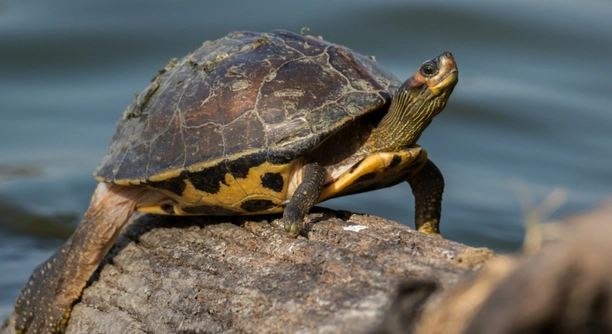
Indian Roofed Tortoises are commonly kept as pets, known for their calm demeanor and fascinating behavior. However, it’s important to be aware of signs that indicate overheating, as this can harm their health.
Overheating in Indian Roofed Tortoises is primarily caused by excessive exposure to heat sources. This can result in dehydration, lethargy, and even heatstroke. Monitoring their environment and adjusting temperature settings can prevent these issues.
Knowing the signs and fixes will help ensure your tortoise stays healthy and comfortable in its habitat.
Signs of Overheating in Indian Roofed Tortoises
Overheating in Indian Roofed Tortoises is a serious concern. If the tortoise becomes unusually lethargic, it may be a sign of heat stress. Another sign is excessive drooling, which can be a sign of dehydration. You might also notice rapid breathing or panting. These symptoms should not be ignored, as they can lead to heatstroke, which is potentially fatal if left untreated. The tortoise may also hide more than usual, seeking cooler areas in its enclosure. Watch for any changes in behavior, as this is often the first indicator of a problem.
You should always check the temperature of the environment. A reliable thermometer is key to preventing overheating. Maintaining a stable, appropriate temperature range helps keep the tortoise healthy.
In addition to temperature regulation, hydration is critical. Ensure that fresh water is always available in the enclosure. Offering a shallow dish for the tortoise to soak in can help keep it cool. If the tortoise begins to show signs of heat stress, immediately move it to a cooler, shaded area and provide access to water. Reducing the heat source and allowing the tortoise to rest can prevent further complications.
Effective Ways to Prevent Overheating
Maintaining a stable, cool environment is crucial for preventing overheating. Avoid direct sunlight exposure.
One of the best ways to prevent overheating is by ensuring your tortoise has access to a shaded area during the day. If your tortoise’s enclosure is outdoors, place it in a spot that stays cool and avoids midday heat. Use a well-ventilated area to help air circulate, and be mindful of heat lamps. Make sure they are not too close to the tortoise, as they can quickly raise the temperature. Keep the habitat temperature within the recommended range. Typically, daytime temperatures should be between 75-85°F (24-29°C). You should monitor the temperature throughout the day and adjust as needed to prevent overheating.
How to Recognize If Your Tortoise Is Overheating
If your Indian Roofed Tortoise is overheated, it will likely show signs of distress. The most common symptoms include lethargy, heavy breathing, and drooling. Additionally, the tortoise may be seen constantly hiding or seeking cooler areas within its enclosure. Monitoring its activity is crucial.
The tortoise may also become more passive than usual, spending long periods of time in one spot. It’s vital to observe if it starts to show disorientation, as overheating can affect its coordination. If you notice these signs, it’s important to take immediate action to cool the tortoise down and adjust its environment.
To prevent further complications, check the environment regularly. If you are unsure whether the temperature is too high, you can always use a thermometer to confirm. Having the right setup and constantly observing your tortoise will help catch overheating before it becomes dangerous.
Fixes for Overheating: Immediate Actions
The first thing to do when you suspect your tortoise is overheating is to move it to a cooler space.
After relocating your tortoise, give it a chance to drink water. Overheating often leads to dehydration, and rehydration is a priority. Provide a shallow water dish for your tortoise to soak in if needed. This helps to cool the body down naturally. Keeping the animal in a shaded and ventilated area is crucial for its recovery.
Next, you should assess the surrounding temperature. Overheating can often be caused by poor temperature management in the tortoise’s enclosure. Using a temperature gauge can help you determine whether adjustments are necessary. Ensure the basking area remains at the right temperature while avoiding excessive heat exposure.
Adjusting the Enclosure Temperature
Ensure your tortoise’s enclosure is within the recommended temperature range. Overheating often occurs when the basking area is too hot.
Use a thermometer to monitor the enclosure temperature. The ideal range is between 75-85°F (24-29°C) during the day, with a cooler area for your tortoise to retreat to. Adjust the heat lamp to avoid excessive heat.
By regulating the temperature, you ensure your tortoise stays comfortable. Overheating can be prevented by simply ensuring there are no extreme hot spots in the habitat. A balanced environment helps promote health and well-being.
Hydration Is Key
Overheating leads to dehydration. Ensure your tortoise always has access to fresh water.
Water is essential for regulating body temperature. Place a shallow dish in the enclosure to allow easy access for drinking and soaking. This will help your tortoise stay hydrated and recover faster from overheating. Hydration is a priority when addressing heat-related stress.
FAQ
What is the ideal temperature for an Indian Roofed Tortoise?
The ideal temperature range for an Indian Roofed Tortoise is between 75°F and 85°F (24-29°C) during the day. This ensures that the tortoise is in a comfortable environment. During the night, the temperature should be cooler, around 70°F (21°C), to allow the tortoise to rest properly. It’s essential to monitor the temperature closely, especially in warmer months, to prevent overheating.
How can I tell if my tortoise is dehydrated?
Signs of dehydration in a tortoise include sunken eyes, dry skin, and reduced activity. You may also notice that your tortoise is eating less than usual or has difficulty moving around. Dehydration can be dangerous, so providing fresh water regularly and allowing your tortoise to soak in shallow water can help prevent this condition.
Can my tortoise overheat in an outdoor enclosure?
Yes, an outdoor enclosure can expose your tortoise to excessive heat, especially if it is directly in the sun during peak hours. Overheating can occur if the tortoise does not have access to shade or a cooler area. To prevent this, place the enclosure in a shaded area or create a sheltered spot where your tortoise can retreat when it feels too hot.
What should I do if my tortoise is showing signs of heatstroke?
If your tortoise shows signs of heatstroke, such as lethargy, rapid breathing, or excessive drooling, it’s important to move it immediately to a cooler area. Provide access to fresh water and offer a shallow dish for soaking. Reduce the heat in the environment and monitor the tortoise’s condition closely. If symptoms persist, consult a veterinarian.
Is it safe to use heat lamps for my tortoise?
Yes, heat lamps are safe for providing a basking spot for your tortoise, but they should be used carefully. Ensure the lamp is not too close to the tortoise, as it can create hot spots that lead to overheating. The heat lamp should also be used in conjunction with a cooler area in the enclosure to give the tortoise a choice of temperature zones. Always monitor the temperature to avoid extremes.
Can an Indian Roofed Tortoise live in an aquarium?
An aquarium may not be the best choice for an Indian Roofed Tortoise, as it often lacks the space and proper ventilation needed for these tortoises to thrive. A larger, open enclosure with proper lighting, temperature control, and a water dish is recommended. Aquariums can trap heat and moisture, leading to possible health issues, so it’s best to opt for a more suitable enclosure.
How often should I check the temperature of my tortoise’s enclosure?
It’s important to check the temperature at least twice a day—once in the morning and once in the evening. The temperature can fluctuate, and regular checks will ensure that your tortoise is not exposed to temperatures that are too high or too low. Use a thermometer placed at various spots within the enclosure to get an accurate reading.
Can I leave my tortoise outside during the summer?
While your tortoise can spend time outside during the summer, it’s important to ensure that the outdoor environment is safe and suitable. Always provide access to shade, fresh water, and a safe area where your tortoise cannot escape. During extremely hot weather, bring your tortoise back inside to prevent overheating. If you’re unsure, limit the time outdoors during peak heat.
What is the best way to cool my tortoise down?
To cool your tortoise down, move it to a shaded or cool area and provide it with fresh water. You can also place a shallow dish for soaking, as this can help lower its body temperature. If the tortoise’s body temperature remains high, you may need to use a damp cloth to gently cool its shell.
What type of substrate should I use to keep my tortoise comfortable?
For an Indian Roofed Tortoise, it’s best to use a substrate that helps regulate humidity and keeps the environment clean. Suitable options include coconut fiber, aspen bedding, or grass hay. These materials allow for good air circulation and are easy to clean. Avoid using sand or gravel, as they can cause health problems.
Is it okay to feed my tortoise while it’s overheated?
If your tortoise is showing signs of overheating, it’s best to avoid feeding it until it has cooled down and is properly hydrated. Overheating can cause stress and affect digestion. Once the tortoise has recovered, you can resume its regular feeding schedule with fresh vegetables and fruits.
Can I use a fan to cool my tortoise’s enclosure?
Using a fan to cool the enclosure is not generally recommended, as it can cause the environment to become too dry, leading to dehydration. It’s better to focus on natural ventilation and shade. If you do use a fan, make sure it doesn’t blow directly on the tortoise and doesn’t dry out the enclosure.
How can I prevent overheating during hot weather?
During hot weather, monitor the enclosure temperature more frequently. Make sure your tortoise always has access to water and can retreat to cooler areas. You can also use heat-reflective materials around the enclosure to help keep it cooler. Avoid placing the enclosure in direct sunlight during the hottest parts of the day.
Is it safe to give my tortoise cold water to drink?
Cold water can shock your tortoise’s system and should be avoided. Instead, always provide lukewarm or room-temperature water. Sudden temperature changes can cause stress, and your tortoise may refuse to drink. Regular hydration with water at a comfortable temperature helps maintain a balanced environment for your tortoise.
What is the best way to monitor my tortoise’s health during hot weather?
Regularly check your tortoise for signs of stress, such as lethargy, loss of appetite, or abnormal behavior. In hot weather, increase the frequency of checks to ensure it is staying hydrated and cool. Pay attention to the tortoise’s behavior and adjust its environment as needed to prevent overheating.
Final Thoughts
Overheating in an Indian Roofed Tortoise can lead to serious health problems. It’s important to ensure that their environment remains within the right temperature range. This can be achieved by carefully monitoring the basking area, ensuring there is access to cooler spots, and making adjustments as needed. By keeping the enclosure temperature between 75°F and 85°F (24-29°C) during the day and around 70°F (21°C) at night, you can help maintain a balanced environment. Avoid extreme heat sources, and always check the temperature using reliable thermometers to ensure your tortoise’s comfort and safety.
Hydration is just as crucial. Dehydration can worsen the effects of overheating and lead to more severe issues. Ensure your tortoise has access to fresh, clean water at all times. Soaking your tortoise in shallow, lukewarm water can also help to cool it down and keep it hydrated. Adding water to the enclosure can provide humidity, which also helps regulate the tortoise’s body temperature. Remember, prevention is better than dealing with the effects of overheating, so it’s essential to adjust the environment promptly.
Maintaining a proper enclosure with both temperature regulation and hydration can greatly reduce the risks of overheating. When you observe signs of heat stress, immediate action is necessary to cool the tortoise down, provide water, and adjust its environment. Regularly checking the temperature, using the right heat sources, and observing your tortoise’s behavior are vital steps to ensure its well-being. Taking these preventive measures not only helps your tortoise stay healthy but also ensures a long, comfortable life in its care.

Hello,
If you enjoy the content that we create, please consider saying a "Thank You!" by leaving a tip.
Every little bit helps us continue crafting quality advice that supports the health, happiness, and well-being of pets around the world, for pets of all shapes, sizes, and species.
We really appreciate the kindness and support that you show us!