
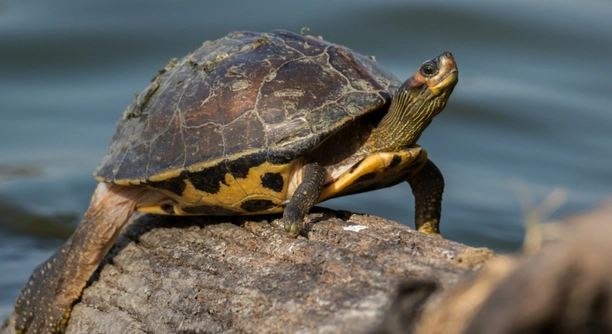
Are you noticing your Indian Roofed Tortoise’s skin peeling and wondering what it means for their health? This issue can be unsettling for any tortoise owner, but understanding the causes and solutions can help you care for your pet.
Skin peeling in your Indian Roofed Tortoise is most often caused by natural shedding, environmental factors, or health issues like dehydration or fungal infections. Identifying the cause will guide you in providing the right care and treatment.
Learning the causes of skin peeling will help you understand how to support your tortoise’s skin health. Proper care is essential for their well-being and comfort.
Common Causes of Skin Peeling in Indian Roofed Tortoises
Skin shedding is a natural process for tortoises, but when it’s excessive, it may indicate other problems. If your Indian Roofed Tortoise’s skin is peeling off in large patches or frequently, it’s essential to look for underlying causes. One of the most common reasons for this issue is environmental stress. Tortoises need specific humidity levels, temperature, and light to stay healthy. If the habitat is too dry or too humid, it can cause the skin to peel. Temperature fluctuations or insufficient UVB light can also lead to shedding problems. Another factor could be dehydration. If your tortoise isn’t drinking enough water, the skin may dry out and peel. Fungal infections can also cause peeling, leading to discomfort and other skin problems. In some cases, skin issues can also be linked to nutrition, such as a lack of calcium or other essential nutrients. Understanding these factors will help you create a better environment for your pet.
Dehydration, poor diet, and improper habitat conditions are common triggers. It’s essential to address these issues promptly to ensure your tortoise remains healthy.
Addressing the cause of peeling skin starts with adjusting your tortoise’s environment. Make sure the humidity, temperature, and UVB lighting are appropriate for their needs. Regularly monitor the habitat conditions, such as checking water levels and misting the tank when needed. Also, make sure they have access to fresh water at all times. If you suspect nutritional deficiencies, consult a vet to adjust their diet. Ensuring a proper feeding routine with the right balance of vitamins and minerals is crucial. When dealing with fungal infections, it’s important to clean your tortoise’s enclosure thoroughly and provide appropriate treatment. Keeping track of these factors can make a big difference in your tortoise’s overall health.
When to Seek Veterinary Help
If skin peeling continues after you’ve made adjustments to the environment, it’s time to consult a veterinarian. It’s important to get a professional’s advice if you notice additional symptoms, like loss of appetite, lethargy, or unusual behavior. A vet can rule out any serious health issues, such as fungal or bacterial infections, and recommend the right treatment. Regular check-ups are also beneficial for detecting problems early on. By taking proactive steps, you ensure your tortoise stays healthy and comfortable.
Adjusting the Habitat to Prevent Skin Peeling
Ensuring the right environment is key to preventing skin peeling. A proper setup includes the correct temperature, humidity, and UVB lighting. Your tortoise needs a warm, dry side and a cooler, humid side in its enclosure to regulate body temperature and humidity.
To maintain the right temperature, aim for 85-90°F on the warm side and 70-75°F on the cool side. Humidity should be around 60-80%. You can use a hygrometer and thermometer to monitor these levels regularly. UVB lighting is essential for the tortoise’s overall health, especially for calcium absorption. Make sure the light is positioned within the correct range of the enclosure to avoid any discomfort or harm. This setup will help prevent issues like skin peeling by supporting your tortoise’s natural functions.
A balanced environment encourages natural skin shedding without causing excessive dryness or discomfort. If you’re unsure about the right setup, don’t hesitate to research or ask a professional.
Addressing Dehydration and Skin Health
Dehydration can be a significant factor in skin peeling. Tortoises rely on water to stay hydrated, and without enough moisture, their skin can become dry and flaky. Offering water through soaking sessions can help ensure they stay hydrated. Regularly soaking your tortoise in shallow, lukewarm water for 15-20 minutes allows them to drink and absorb moisture through their skin.
In addition to soaking, providing a consistent supply of fresh water in the enclosure is necessary. Make sure it’s always clean, and check it daily to ensure your tortoise has access to hydration. If dehydration is a concern, increase the frequency of soakings and monitor water intake closely. Proper hydration keeps the skin supple and helps prevent peeling.
Ensuring Proper Diet for Healthy Skin
A balanced diet plays a big role in your tortoise’s skin health. Without the right nutrients, skin problems can arise. Make sure your Indian Roofed Tortoise gets a variety of leafy greens, vegetables, and the occasional fruit.
Incorporating calcium-rich foods, like collard greens or dandelion greens, can help with proper shell and skin growth. A lack of calcium may cause shedding issues. You can also offer a calcium supplement if your tortoise’s diet lacks sufficient amounts. A proper diet helps keep the skin healthy and can reduce peeling.
The Role of UVB Light in Skin Health
UVB light is crucial for your tortoise’s overall well-being. It helps them synthesize vitamin D3, which is essential for calcium absorption. Without UVB exposure, their skin and shell may become brittle, leading to peeling.
Ensure that your tortoise’s enclosure has a UVB bulb that provides adequate light for 10-12 hours a day. The bulb should be positioned no more than 12 inches from the basking area. This light mimics natural sunlight and prevents health issues related to calcium deficiency, promoting healthy skin and shell growth.
Managing Fungal and Bacterial Infections
Fungal and bacterial infections can also contribute to skin peeling. If your tortoise is showing signs of infection, such as discolored patches or sores, it’s important to act quickly.
Cleaning the enclosure thoroughly is essential to prevent further spread. Regularly disinfect surfaces, and ensure your tortoise is housed in a dry, well-ventilated space. If you notice symptoms of an infection, consult a vet for a diagnosis and appropriate treatment. This will help avoid complications and promote recovery.
FAQ
What is normal shedding for an Indian Roofed Tortoise?
Normal shedding involves your tortoise losing small patches of skin as it grows. This is a natural process that happens periodically. Healthy shedding should be gradual, with small flakes of skin coming off without causing discomfort. You might notice a few pieces of skin on the substrate, but this is nothing to worry about. If it happens too frequently or in large patches, it could be a sign of something else. Keep an eye on your tortoise’s skin to ensure the shedding appears even and not too excessive.
How can I tell if my tortoise’s skin peeling is a sign of illness?
Skin peeling becomes a concern if it’s accompanied by other symptoms like lethargy, loss of appetite, or changes in behavior. If you notice discolored patches, sores, or if the peeling is severe, there could be an infection or other health issues. In these cases, it’s best to take your tortoise to a vet for a checkup. The peeling could also be caused by dehydration, improper diet, or poor environmental conditions. Monitor your tortoise closely and assess its overall health before jumping to conclusions.
Is dehydration the main cause of peeling skin?
Dehydration is one of the leading causes of skin peeling. If your tortoise isn’t drinking enough water or isn’t exposed to moisture, its skin may become dry and flaky. Soaking your tortoise in shallow water for 15-20 minutes a few times a week can help hydrate them. Also, always make sure they have access to fresh water within their enclosure. Dehydration can lead to more serious skin and health issues if left unaddressed. Regular hydration plays an important role in preventing skin peeling and maintaining healthy skin.
Can temperature or humidity affect skin peeling?
Yes, temperature and humidity have a direct impact on skin health. If the temperature in the enclosure is too high or low, it can stress the tortoise’s skin, leading to excessive shedding or dryness. The humidity level is also important. If the enclosure is too dry, the skin will become flaky. On the other hand, excessive humidity can create a breeding ground for bacteria and fungus. Maintaining a stable environment with a proper temperature range of 85-90°F on the warm side and 70-75°F on the cool side will help your tortoise shed naturally without complications.
How often should I soak my tortoise to prevent skin peeling?
Soaking your tortoise 2-3 times a week for 15-20 minutes is usually sufficient to keep them hydrated and prevent skin problems. If you notice excessive peeling or dry skin, increase the frequency of soaking. Use shallow, lukewarm water and ensure it’s not too deep, as your tortoise should be able to comfortably stand in it. Soaking helps with hydration and also provides a chance for the tortoise to relieve itself. Make sure the water is clean and replaced after each session.
Should I use any supplements to improve my tortoise’s skin health?
Yes, providing a calcium supplement is beneficial, especially if your tortoise’s diet lacks enough calcium. Calcium is essential for healthy skin, shell, and bone development. You can offer calcium powder on their food or provide calcium-rich vegetables like collard greens. However, don’t over-supplement, as this can lead to other health issues. Always follow a vet’s recommendation for supplementation based on your tortoise’s specific needs.
Is it necessary to change my tortoise’s substrate to prevent skin problems?
Changing your tortoise’s substrate regularly is important for maintaining a clean and healthy environment. Dirty or damp substrate can encourage fungal and bacterial growth, which may lead to skin issues. Opt for a substrate that is easy to clean and absorbent, such as organic coconut husk or cypress mulch. Avoid using substrates like sand or gravel that can cause irritation or are difficult to clean. By changing the substrate regularly and keeping the enclosure clean, you’ll help prevent skin infections and peeling caused by poor hygiene.
Can I treat fungal or bacterial infections on my own?
While it’s possible to treat minor skin issues at home, any fungal or bacterial infection should be addressed by a vet. They will provide a proper diagnosis and recommend appropriate treatments, which may include topical ointments or antifungal medications. Cleaning the enclosure thoroughly and maintaining proper humidity and temperature levels will also help manage and prevent infections. If your tortoise is showing symptoms like pus, scabs, or discolored patches, don’t hesitate to seek professional veterinary care for a more effective treatment.
What should I do if my tortoise keeps peeling excessively?
If your tortoise’s skin continues to peel excessively, check for signs of dehydration, poor diet, or environmental issues. Adjusting the humidity, temperature, and hydration levels can help address these problems. If there is no improvement, and you notice other symptoms such as lethargy, appetite loss, or visible wounds, it’s best to take your tortoise to the vet. Persistent peeling could indicate an underlying health problem that requires professional care. Proper diagnosis and treatment will help ensure your tortoise’s skin stays healthy.
How long does it take for skin peeling to stop?
The time it takes for skin peeling to stop depends on the cause. If it’s a natural shedding process, the skin should stop peeling within a week or two. However, if there’s an underlying issue, such as dehydration, fungal infection, or environmental stress, the skin peeling might continue until the issue is addressed. Once the cause is identified and treated, the peeling should gradually subside. Regular monitoring and adjustments to the environment or diet will ensure your tortoise’s skin returns to normal.
Final Thoughts
Understanding why your Indian Roofed Tortoise’s skin is peeling is important for ensuring its health and well-being. Skin shedding is natural, but when it becomes excessive or unusual, it’s usually a sign that something is off with the environment or the tortoise’s health. Common reasons include dehydration, improper humidity levels, insufficient UVB light, or a poor diet. These factors can be easily managed by adjusting the habitat, providing the right nutrition, and maintaining proper care routines. It’s essential to keep your tortoise’s enclosure clean and monitor its water intake, temperature, and lighting regularly.
If you notice persistent skin peeling or additional symptoms like loss of appetite, lethargy, or discolored patches, it’s important to consult a veterinarian. A professional can help rule out fungal or bacterial infections and provide treatment. Early intervention is key to preventing further health issues. Keeping an eye on your tortoise’s overall behavior and appearance will help you catch problems early and provide the proper care when needed. Regular vet check-ups will also ensure your pet remains healthy and comfortable.
In the end, taking the right steps to maintain a healthy environment, proper hydration, and a balanced diet will help your tortoise thrive. By understanding the causes of skin peeling and acting quickly, you can ensure your tortoise enjoys a long and healthy life. Regular care and monitoring will prevent issues before they become serious. With a little attention and proper maintenance, your Indian Roofed Tortoise will be happy and healthy, free from unnecessary skin problems.

Hello,
If you enjoy the content that we create, please consider saying a "Thank You!" by leaving a tip.
Every little bit helps us continue crafting quality advice that supports the health, happiness, and well-being of pets around the world, for pets of all shapes, sizes, and species.
We really appreciate the kindness and support that you show us!