
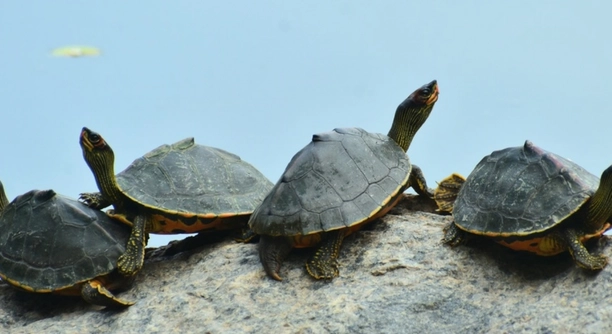
The Indian Roofed Tortoise is a fascinating pet, known for its distinct appearance and calm temperament. If you are a proud owner of one, it’s essential to recognize signs of health and well-being.
To assess the health of your Indian Roofed Tortoise, observe its shell condition, activity level, diet, breathing, and overall demeanor. Healthy tortoises maintain a well-rounded diet, clear eyes, and exhibit natural movements and behavior.
Ensuring your tortoise stays healthy requires attention to various factors. Knowing the signs will help maintain its well-being and prevent future complications.
1. Shell Condition
The shell is one of the most noticeable features of an Indian Roofed Tortoise. A healthy shell should be smooth, hard, and free of cracks or holes. A shiny, clean shell indicates proper care and nutrition, while a dull, soft shell can be a sign of poor health or malnutrition. If you notice any deformities or injuries, it’s important to address them immediately, as they can affect your tortoise’s overall well-being.
The color of the shell can also be a key indicator. A pale or discolored shell may suggest nutritional deficiencies or dehydration. Healthy tortoises tend to have a vibrant, consistent shell color.
Additionally, the tortoise should not be shedding its scutes excessively. If you observe abnormal shedding or an overly soft shell, it may signal an underlying health issue that needs professional attention. Maintaining a proper diet and habitat is essential to keep the shell in good condition.
2. Activity Level and Behavior
A healthy Indian Roofed Tortoise is generally active and curious. If it spends excessive time hiding or moving sluggishly, it might indicate health concerns like dehydration or an infection.
Being an active species, they will regularly roam around their habitat in search of food or basking spots. If your tortoise seems lethargic or avoids interaction, it may need immediate attention. Regular activity is a sign of both physical and mental health, so keep an eye on its movement patterns. A decrease in activity could also result from improper habitat conditions, such as temperature imbalances or poor lighting.
3. Breathing and Eyes
Clear, bright eyes and proper breathing are key indicators of a healthy tortoise. Discharge, squinting, or watery eyes are concerning signs that may point to respiratory issues or infection.
Breathing difficulties are also an issue to watch for, as tortoises can suffer from upper respiratory infections, which can become quite serious if not treated. These infections can lead to nasal discharge, coughing, and labored breathing. It’s essential to monitor these signs closely, as early intervention can make a big difference in the health and comfort of your tortoise.
4. Diet and Hydration
A balanced diet is vital for the well-being of your Indian Roofed Tortoise. A proper diet includes leafy greens, vegetables, and occasional fruits, all rich in the nutrients your tortoise needs to thrive.
Feeding your tortoise too many high-protein foods can lead to kidney issues, while insufficient fiber can result in digestive problems. It’s also crucial to provide clean, fresh water at all times. Without proper hydration, your tortoise’s health can quickly decline. A healthy tortoise will eat regularly and drink water often.
Make sure to avoid giving your tortoise foods that are toxic, like onions or iceberg lettuce. You can also supplement its diet with calcium, especially if your tortoise isn’t getting enough from natural food sources. Keep an eye on its eating habits and adjust the diet accordingly to ensure long-term health.
1. Shell Maintenance and Health
Maintaining the health of your tortoise’s shell requires consistent care and proper habitat conditions. Regularly check for any cracks, discoloration, or soft spots. A damaged shell can severely impact your tortoise’s overall health and well-being.
Providing a balanced diet and ensuring proper humidity levels can prevent shell problems. Exposure to harmful chemicals, rough handling, or sudden changes in temperature can cause stress, leading to shell issues. Tortoises need a safe environment with proper UV light and warmth. If shell issues arise, consult a vet for guidance and treatment.
Ensure your tortoise has access to natural sunlight or UVB lighting for optimal shell and bone health. Inadequate UVB exposure can lead to metabolic bone disease, softening the shell. Use a clean and safe substrate in the enclosure to help maintain proper humidity and avoid fungal growth that could damage the shell. Regular cleaning of the shell can also help avoid the build-up of bacteria.
2. Regular Hydration and Its Importance
Dehydration can quickly become a serious problem for tortoises. Ensure your tortoise has access to fresh water at all times. A shallow water dish will encourage regular drinking, as they may not drink if the water is too deep.
Tortoises obtain much of their water from plants and vegetables, but supplemental water is essential for optimal health. A tortoise that refuses to drink may be showing early signs of dehydration. If this happens, you may need to offer water by lightly misting its habitat or providing water-soaked greens.
Remember to clean the water dish daily to ensure your tortoise isn’t drinking from a dirty container. If your tortoise continues to drink excessively or not at all, this could signal health problems, such as kidney disease. Hydration also supports digestion and overall metabolic function, which are vital to keeping your tortoise healthy and active.
1. Signs of Illness
Illness in a tortoise can manifest through subtle changes in behavior or appearance. Watch for signs such as lack of appetite, lethargy, or abnormal breathing patterns. These can indicate health issues that need prompt attention.
If your tortoise appears to have swollen eyes, discharge, or abnormal postures, it may be sick. Any changes in normal behavior should be addressed immediately. These symptoms could signal an infection, metabolic imbalance, or other health concerns. Monitoring these signs closely can help catch potential problems early, ensuring proper treatment.
2. Temperature and Habitat Control
Maintaining a proper temperature range is essential for your tortoise’s overall health. Too high or too low temperatures can cause stress or illness. Use a thermometer to ensure the temperature in their habitat stays within the recommended range.
Tortoises rely on temperature regulation to digest food and stay active. If their environment is too cold, they may become sluggish and refuse to eat. If too hot, they could experience heatstroke or dehydration. Proper lighting, including UVB rays, is crucial for their health, enabling them to metabolize calcium effectively. Regularly check your tortoise’s habitat and make adjustments as needed to maintain a stable environment.
3. Monitoring Activity
Consistent movement is a key indicator of a healthy tortoise. If your tortoise starts hiding excessively or moving slowly, this could signal underlying health issues. Keep track of its daily behavior.
A healthy tortoise should exhibit curiosity and exploration in its environment. If it becomes less active or avoids moving, this could indicate that it is feeling unwell. Make sure its habitat is set up for proper activity, offering opportunities for climbing or foraging.
FAQ
What should I feed my Indian Roofed Tortoise?
An Indian Roofed Tortoise thrives on a variety of leafy greens, vegetables, and some fruits. Provide them with a mix of dandelion greens, collard greens, mustard greens, and other non-toxic plants. These should be high in fiber and low in protein to maintain a balanced diet. You can also offer occasional fruits like strawberries, apples, or melon, but these should be given sparingly. Avoid feeding them too much fruit or high-protein foods like meat, which can cause kidney problems.
How often should I feed my tortoise?
Feed your tortoise every day with fresh, leafy vegetables and greens. It is important to maintain a consistent feeding schedule. Younger tortoises may eat more frequently than adults, so adjust the quantity accordingly. If your tortoise refuses food for a few days, it could be due to stress, illness, or changes in temperature.
Can I feed my tortoise pellets?
While tortoise pellets can be convenient, they should not be the main source of nutrition. Pellets can be used occasionally as a supplement but should not replace fresh vegetables and greens. Look for high-quality pellets designed for tortoises, ensuring they are free of fillers or artificial additives.
How do I know if my tortoise is dehydrated?
Signs of dehydration include lethargy, sunken eyes, and a dry or cracked shell. If your tortoise is refusing to drink, offer water-soaked greens to encourage hydration. Additionally, you can gently mist your tortoise’s habitat or provide a shallow water dish that it can easily access. Regular hydration is key to its overall health.
What is the ideal temperature for my tortoise’s habitat?
The ideal temperature for an Indian Roofed Tortoise’s habitat is between 75°F and 85°F (24°C to 29°C) during the day. At night, the temperature should drop to around 70°F (21°C). Provide a basking spot with a temperature of around 90°F (32°C) to mimic sunlight. Always use a reliable thermometer to monitor the temperature and make adjustments as needed.
Should I provide UVB lighting for my tortoise?
Yes, UVB lighting is crucial for your tortoise’s health. UVB helps them synthesize vitamin D3, which is essential for calcium absorption and healthy shell growth. Without proper UVB exposure, tortoises can develop metabolic bone disease. If your tortoise does not have access to natural sunlight, use a UVB light to ensure it gets the necessary UV rays for bone health.
How often should I clean my tortoise’s enclosure?
The enclosure should be cleaned regularly to prevent the build-up of bacteria and mold. Spot clean the habitat daily by removing uneaten food, waste, and debris. Every two weeks, perform a more thorough cleaning, wiping down surfaces and changing the substrate. If your tortoise has a water dish, be sure to change the water daily to keep it fresh and clean.
Can I keep more than one tortoise together?
It is possible to keep multiple tortoises together, but it requires careful monitoring. Some tortoises can become territorial, especially males. If you choose to house more than one tortoise, ensure there is plenty of space to prevent fights. Each tortoise should have access to its own basking spot, water dish, and food. Watch for any signs of aggression or stress and separate them if needed.
What are common health problems in Indian Roofed Tortoises?
Common health problems in Indian Roofed Tortoises include respiratory infections, shell rot, and metabolic bone disease. Respiratory infections can cause wheezing, nasal discharge, or labored breathing. Shell rot is caused by bacterial or fungal infections and is often linked to poor hygiene or excessive moisture. Metabolic bone disease is due to calcium and vitamin D3 deficiencies. Always consult a vet if you suspect any of these issues.
How long do Indian Roofed Tortoises live?
Indian Roofed Tortoises can live for 50 years or more with proper care. Their lifespan can vary depending on factors like diet, habitat conditions, and overall health. Providing a balanced diet, maintaining proper temperature and humidity, and regular vet check-ups can help ensure a long, healthy life for your tortoise.
What is the best substrate for a tortoise’s enclosure?
The best substrate for an Indian Roofed Tortoise’s enclosure is something that allows for easy cleaning, absorbs moisture, and mimics its natural environment. Good choices include cypress mulch, coconut coir, or a combination of soil and sand. Avoid using cedar or pine wood shavings, as they can be toxic to tortoises.
How can I tell if my tortoise is stressed?
Signs of stress in tortoises include hiding for extended periods, reduced eating, and abnormal behavior, such as excessive scratching or pacing. Environmental stressors like incorrect temperatures, insufficient space, or a lack of hiding spots can contribute to these behaviors. Ensure that your tortoise’s habitat is set up correctly and that it feels safe and comfortable.
Is it normal for my tortoise to sleep a lot?
Tortoises do sleep for extended periods, especially during colder months or when their environment isn’t properly heated. However, if your tortoise is sleeping excessively or showing signs of lethargy, it could be an indication of a health issue. Monitor the habitat temperature and ensure that your tortoise is getting enough food and hydration.
How can I ensure my tortoise has a balanced diet?
To ensure your tortoise has a balanced diet, offer a variety of leafy greens, vegetables, and occasional fruits. Avoid feeding too much fruit or high-protein foods. Supplement the diet with calcium and vitamin D3 as needed. A varied diet will provide all the nutrients your tortoise needs to thrive.
Can Indian Roofed Tortoises eat flowers?
Yes, many edible flowers are safe for tortoises, such as hibiscus, dandelions, and clover. Always make sure the flowers you provide are pesticide-free and non-toxic. Fresh flowers can be a nice treat for your tortoise, offering variety and additional nutrients. However, they should be fed in moderation alongside their regular diet.
Do Indian Roofed Tortoises need to bask?
Basking is essential for an Indian Roofed Tortoise. They need a warm basking area to regulate their body temperature and aid in digestion. Place a basking lamp over a designated area to maintain a temperature of around 90°F (32°C). This heat helps them digest food, metabolize nutrients, and stay healthy.
Final Thoughts
Taking care of an Indian Roofed Tortoise requires attention to its specific needs, including proper diet, habitat, and health monitoring. By understanding these basic requirements, you can ensure that your tortoise thrives in a safe and comfortable environment. Regular cleaning, proper lighting, and consistent feeding habits are essential for maintaining their well-being. Monitoring the temperature and humidity levels in the enclosure also plays a key role in supporting your tortoise’s health and behavior.
Understanding your tortoise’s natural behavior and signs of stress or illness is crucial. Whether it’s observing how they eat or watching for subtle changes in activity, early detection of any issues can help you take the necessary steps to address them. Regular veterinary checkups are beneficial, especially if you notice any abnormal behavior, such as excessive lethargy or loss of appetite. Proper care and attention will not only improve your tortoise’s quality of life but can also extend its lifespan.
With the right care, your Indian Roofed Tortoise can live for decades, becoming a healthy, long-term companion. By staying informed and committed to its needs, you provide an environment where it can thrive. Always remember that their health and happiness depend on consistent care, from diet to habitat conditions. Keeping your tortoise in a suitable environment with access to UVB lighting, clean water, and a balanced diet will go a long way in maintaining their health.

Hello,
If you enjoy the content that we create, please consider saying a "Thank You!" by leaving a tip.
Every little bit helps us continue crafting quality advice that supports the health, happiness, and well-being of pets around the world, for pets of all shapes, sizes, and species.
We really appreciate the kindness and support that you show us!