
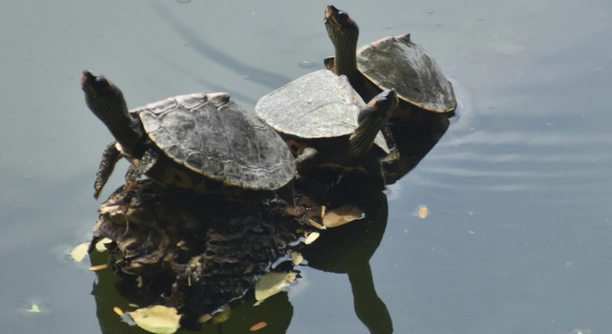
Handling an Indian Roofed Tortoise requires care and attention to ensure their safety and well-being. Knowing the basics can help you avoid common mistakes that can harm your pet. Here’s a guide to keep your tortoise safe.
To handle an Indian Roofed Tortoise safely, always support its body fully, never grab its shell, and avoid sudden movements. Gently guide them to the ground if needed. Proper handling prevents stress and injury.
By following the right steps, you’ll make sure your tortoise remains healthy and happy. Keep reading to learn about the most common mistakes and how to avoid them.
Why Proper Handling is Crucial for Your Indian Roofed Tortoise
Handling an Indian Roofed Tortoise correctly is essential to their health. If you handle them too roughly, they can become stressed, leading to long-term health problems. Stress can weaken their immune system, making them more vulnerable to diseases. Always remember that these creatures are delicate and can get hurt if not handled properly. They can even develop shell damage or other physical issues from improper lifting or falls.
When picking up your tortoise, always support its body gently but firmly. Avoid lifting them by the shell, as this can cause harm to their spine and internal organs. A secure but calm hold will prevent unnecessary stress and injury. Allow them time to adjust to your presence. Being aware of their comfort zone is important for building trust with your pet.
A simple and safe way to handle your tortoise is to ensure its safety from falls. Lowering your body to the ground and slowly guiding it to the floor helps prevent any sudden impacts. Always be gentle to avoid any harm to their fragile bodies.
Common Mistakes to Avoid
One of the biggest mistakes is grabbing them by the shell. It’s crucial to avoid lifting your tortoise by this part of their body.
Lifting an Indian Roofed Tortoise by its shell can cause serious harm. It affects their spinal health and creates unnecessary stress. Instead, always support the body evenly, using both hands. Another mistake is holding them too high off the ground. If they fall, it can cause severe injuries. Additionally, many people forget to keep a calm demeanor. Tortoises are sensitive to sudden movements or loud sounds, and stress can negatively affect them over time. Always move slowly and avoid making abrupt gestures.
Finally, keeping them in an unstable environment where they can’t explore freely is also damaging. It’s important to provide them with an appropriate habitat that encourages natural behaviors. This means giving them enough space to roam and ensuring the temperature and humidity are just right. Consistent care will help your tortoise thrive.
Avoid Overfeeding Your Indian Roofed Tortoise
Overfeeding can lead to obesity, which is harmful to your tortoise’s health. It’s important to offer a balanced diet that includes leafy greens, vegetables, and fruits in moderation. Too much food, especially high-calcium items, can lead to kidney problems or shell deformities.
While it’s tempting to give them extra food, stick to proper portions. Overfeeding can result in a sluggish tortoise that doesn’t move around enough, which can cause muscle atrophy. Make sure to offer the right variety to avoid nutritional imbalances. Tortoises require fiber and low-fat options to remain active and healthy.
Many owners may think they are doing the right thing by feeding their tortoise as much as it wants, but it’s essential to monitor the portion size and adjust based on their activity levels. Having a set feeding routine will help prevent overfeeding. Tortoises naturally eat small amounts at a time, so you should offer smaller meals regularly rather than large portions at once.
Providing Proper Housing
An Indian Roofed Tortoise needs a spacious and secure environment to feel comfortable. Their enclosure should be large enough to allow them to roam freely and safely. Lack of space can lead to stress, making your tortoise more prone to illness.
Setting up a proper habitat involves more than just space. Ensure their enclosure has both warm and cool areas, allowing them to regulate their body temperature. The floor should be covered with a substrate that’s easy to clean, like coconut husk or soil. Make sure there are places for them to hide to feel safe.
A good-sized enclosure isn’t enough. You need to maintain the correct temperature and humidity levels, especially since Indian Roofed Tortoises thrive in warm climates. Avoid using glass tanks as they can lead to temperature fluctuations. A wooden or plastic box with proper ventilation will work better. Regular cleaning of the enclosure is also important to avoid bacteria build-up, which can cause infections. Ensure the tortoise has access to fresh water at all times to stay hydrated.
Keeping Their Environment Clean
A clean environment is crucial for your tortoise’s well-being. Regularly change their bedding and clean the enclosure to prevent bacteria growth. A dirty habitat can lead to infections or respiratory issues. Make sure to spot-clean daily and do a full cleaning at least once a week.
Keeping the enclosure clean also means checking for any food remnants or uneaten items. Rotting food can cause odor and attract pests. Proper waste removal is just as important. Changing their water daily is essential to avoid contamination. A clean environment helps your tortoise stay healthy and free from stress.
Understanding Temperature and Lighting
Proper lighting and temperature are vital for your tortoise’s health. Without the right conditions, they can become lethargic or even sick. Use UVB lighting to help them absorb calcium and maintain a healthy shell. Ensure that the temperature range is suitable, usually between 75°F to 85°F.
Indian Roofed Tortoises need a warm basking area to regulate their body temperature. Place a heat source, like a basking lamp, in one part of their enclosure. The cooler side should be about 10-15 degrees lower than the basking area. This allows your tortoise to move between temperatures to stay comfortable.
Water and Hydration
Water is essential for your tortoise’s hydration and digestion. Always provide fresh, clean water for drinking and soaking. Your tortoise may also use water to help regulate its body temperature.
Make sure the water bowl is shallow enough for your tortoise to climb in and out of safely. Regularly change the water to avoid contamination. Dehydration can lead to kidney problems and other health issues, so keeping your tortoise hydrated is key for its long-term health.
FAQ
How often should I handle my Indian Roofed Tortoise?
It’s best to handle your tortoise only a few times a week to avoid stressing them out. Tortoises are naturally solitary and can become stressed with too much interaction. When you do handle them, keep the sessions short and gentle, ensuring they feel safe and secure. If you notice signs of stress like withdrawing into their shell or trying to escape, give them some space. Handling should always be calm and controlled, ensuring their well-being is the top priority.
Can Indian Roofed Tortoises be kept with other animals?
Indian Roofed Tortoises should ideally be kept alone in their enclosures. They can become territorial, and introducing other animals might cause stress or even aggression. However, if you do plan to introduce another tortoise, it’s important to monitor their behavior closely. Always ensure that there is enough space for both animals and that they have their own food and water sources to reduce any competition. Different species may also have varying care needs, so compatibility should always be considered.
What should I feed my Indian Roofed Tortoise?
A well-balanced diet is essential for an Indian Roofed Tortoise. They thrive on a variety of leafy greens like dandelion leaves, collard greens, and mustard greens. You can also feed them safe vegetables like squash and carrots in moderation. Fruits like apples and berries can be given as a treat, but should not be the main part of their diet. Avoid feeding them lettuce, as it has little nutritional value. Always make sure to offer fresh food, and clean their bowl to prevent bacteria growth.
How long can an Indian Roofed Tortoise live?
Indian Roofed Tortoises can live a long time with proper care. On average, they live between 50 to 70 years, but some have been known to live even longer. Their lifespan depends on the quality of care, including diet, habitat, and health management. By providing them with the right environment, regular vet checkups, and proper handling, your tortoise will have the best chance at living a long and healthy life.
Do Indian Roofed Tortoises need a lot of space?
Yes, Indian Roofed Tortoises require a lot of space to roam and explore. A small enclosure can cause stress and hinder their natural behaviors. A minimum enclosure size for one tortoise should be at least 4 feet by 6 feet, though larger is always better. You should also make sure the habitat is enriched with things like hiding spots, rocks to climb, and areas for basking. A larger space will not only make them feel more comfortable but also keep them physically active, which is essential for their health.
What type of substrate should I use in their enclosure?
The best substrates for an Indian Roofed Tortoise are those that mimic their natural environment. Coconut coir, cypress mulch, or soil-based mixtures work well. Avoid using sand, as it can cause impaction if ingested. You also want to ensure the substrate is not too wet or too dry. Maintaining the right humidity is important, so the substrate should be moist enough to keep the humidity levels stable. A good substrate helps maintain a naturalistic environment, supports healthy behavior, and is easier to clean.
Can I take my Indian Roofed Tortoise outside?
Yes, you can take your Indian Roofed Tortoise outside, but there are several things to consider. Always supervise them while outdoors to prevent any harm. Ensure the area is secure, as they are good at escaping. The temperature should also be appropriate—avoid letting them out in extreme weather, either too hot or too cold. A safe, enclosed yard with natural grass and sunlight is ideal. Taking them outside can give them a chance to forage and explore, but make sure the environment is free from chemicals or other hazards.
How do I know if my tortoise is sick?
It’s important to monitor your tortoise for any signs of illness. Common signs that something may be wrong include loss of appetite, lethargy, abnormal breathing (wheezing or nose discharge), and shell problems like soft spots or cracks. Diarrhea or bloatedness could also indicate digestive issues. If your tortoise exhibits any unusual behavior or physical symptoms, it’s essential to visit a reptile vet as soon as possible. Early intervention can prevent more serious health problems down the line.
What temperature does my tortoise need to stay healthy?
Indian Roofed Tortoises require a warm environment to stay healthy. The daytime temperature should be between 75°F and 85°F. The basking area should be slightly warmer, around 90°F to 95°F, while the cool side should be 10-15°F cooler. At night, temperatures can drop to around 70°F to 75°F. Using a heat lamp and UVB light is crucial for their health, as they need UVB to synthesize vitamin D3 for calcium absorption. Always check that the temperature stays within the recommended range.
Do Indian Roofed Tortoises need UVB light?
Yes, UVB light is essential for the health of your Indian Roofed Tortoise. UVB light helps them produce vitamin D3, which is necessary for calcium absorption and overall bone health. Without UVB light, they can develop metabolic bone disease. If you cannot provide natural sunlight, make sure to use a high-quality UVB bulb that provides the correct wavelength for at least 10-12 hours per day. Proper lighting will help your tortoise stay strong and healthy, supporting their growth and overall well-being.
How do I clean my Indian Roofed Tortoise’s enclosure?
Cleaning the enclosure is crucial to avoid bacterial growth and ensure your tortoise’s health. Spot clean daily by removing any uneaten food, feces, and waste. Once a week, perform a deep clean by removing all substrate, washing the walls, and disinfecting the enclosure. Make sure to rinse and dry everything thoroughly before adding new bedding. Always wash your hands after cleaning to prevent any cross-contamination. Regular cleaning reduces the risk of infections and keeps your tortoise in a safe, hygienic environment.
Final Thoughts
Caring for an Indian Roofed Tortoise involves understanding their needs and providing a safe, comfortable environment. It’s essential to handle them gently and avoid common mistakes like overfeeding or using the wrong substrate. Their well-being depends on how you manage their diet, habitat, and overall health. By being mindful of their natural behavior and habits, you’ll ensure that your tortoise lives a long, healthy life. Proper care and attention can help prevent many health issues, so it’s important to stay informed and proactive.
Creating the right environment for your tortoise is crucial. They need a spacious, clean habitat with proper lighting, temperature, and humidity levels. Their enclosure should mimic their natural habitat to help them feel secure and comfortable. Offering a balanced diet of leafy greens, vegetables, and fruits, along with fresh water, ensures they get the nutrition they need. Additionally, regular checks for signs of stress or illness can help you address any potential problems early. A healthy tortoise is an active tortoise, so keep their living conditions as optimal as possible.
Indian Roofed Tortoises are fascinating creatures that can live for many years when cared for properly. They might be small and slow, but their care needs are not to be underestimated. Handling them with care, giving them enough space to move around, and maintaining a healthy diet and habitat will go a long way in keeping them happy and healthy. While it may take some time to get everything just right, the effort is well worth it for the long-term well-being of your tortoise.

Hello,
If you enjoy the content that we create, please consider saying a "Thank You!" by leaving a tip.
Every little bit helps us continue crafting quality advice that supports the health, happiness, and well-being of pets around the world, for pets of all shapes, sizes, and species.
We really appreciate the kindness and support that you show us!