
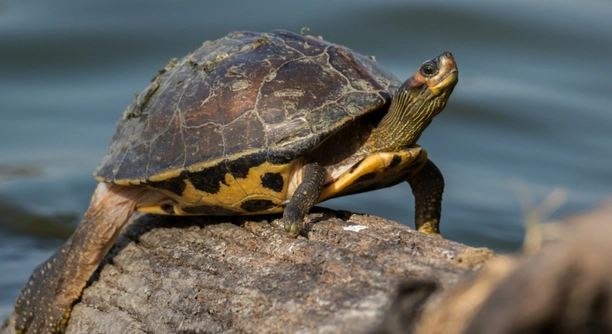
Indian Roofed Tortoises are fascinating creatures, and if you’re noticing some unusual digging behavior, you might be wondering what’s going on. This common activity could indicate several things that are important to understand for your tortoise’s health.
Digging is a natural behavior in Indian Roofed Tortoises and can serve various purposes such as seeking shelter, regulating temperature, or preparing for nesting. It is a normal part of their routine, but excessive digging may require attention.
Understanding the reasons behind your tortoise’s digging can help ensure they’re healthy and happy. By knowing what drives this behavior, you can make informed decisions to provide them with the best care possible.
Reasons for Digging in Indian Roofed Tortoises
Indian Roofed Tortoises dig for various reasons, and understanding the cause is important for their well-being. Often, it’s an instinctive behavior tied to their natural environment. In the wild, they dig to find a comfortable, safe place to rest. In captivity, they might dig to regulate their body temperature or escape perceived stress. If your tortoise digs frequently, it may be trying to create a cooler spot or find some privacy. Sometimes, it could be preparing a space for laying eggs if your tortoise is a female.
Digging can also be a way for them to express boredom or frustration. Lack of stimulation or insufficient space to roam can lead to these repetitive actions.
To address this, make sure your tortoise’s environment is enriching and spacious. Offering a variety of objects to explore or places to hide can reduce digging caused by boredom. Be sure the temperature and humidity levels are also appropriate for their needs.
Preparing for Nesting
Female Indian Roofed Tortoises may dig in an attempt to lay eggs, even if there is no mate. This behavior is more common when they reach sexual maturity.
When a female tortoise is ready to lay eggs, she will look for a spot where she can dig a hole. This is a natural nesting behavior, and she might continue digging until she feels the space is suitable. Ensure your tortoise’s habitat has a substrate deep enough to accommodate this instinctual digging. It’s important to avoid disturbing her while this process happens.
Temperature Regulation
Your tortoise might dig to adjust its body temperature. If the environment is too hot, digging into cooler substrate gives them relief. Conversely, if it’s too cold, they may dig to find warmer areas or retreat to a place where they feel more secure.
Make sure the habitat has a temperature gradient, with warm and cool spots. Using a heat lamp on one side of the enclosure creates this effect. If your tortoise is spending a lot of time digging, check if the temperature is consistent across the enclosure to make sure it’s comfortable.
Humidity levels are also important when it comes to temperature regulation. Too high or too low can force them to dig. Keep the humidity in check by spraying water or using a humidifier if needed. You want to make sure the substrate retains moisture without becoming too soggy.
Stress and Anxiety
Stress can cause your tortoise to dig excessively. If they feel threatened, anxious, or insecure, they may dig as a way of coping. Changes in their environment, like new pets, loud noises, or even a lack of proper hiding spots, can trigger these feelings.
Check for any sources of stress and try to reduce them. Make sure their habitat has enough places to hide, such as tunnels or shelters, so they can retreat when they need to. Avoid sudden changes, and give your tortoise time to adjust to any new surroundings or routines.
Creating a consistent environment is crucial for keeping your tortoise calm. Set a regular feeding schedule and ensure that the enclosure is quiet and safe. The more comfortable they feel, the less likely they will be to dig out of anxiety.
Lack of Space
If your tortoise is digging a lot, it could be a sign that they need more room. In the wild, tortoises roam over large areas, and captivity can feel restrictive.
Make sure your tortoise has enough space to move around freely. An enclosure that’s too small can lead to frustration, causing them to dig as an outlet for their energy. Providing a larger habitat with varied terrain will help reduce excessive digging and improve their quality of life.
Boredom
Boredom can cause tortoises to dig endlessly, especially if their environment lacks enrichment. Without something to engage their curiosity, they may dig as a way to pass the time.
Provide a variety of safe items for your tortoise to explore, such as rocks, logs, or plants. This helps stimulate their mind and gives them a sense of purpose in their habitat, reducing the urge to dig out of boredom.
Substrate Type
The type of substrate you use in your tortoise’s habitat can play a big role in their digging habits. Some substrates, like loose sand or soil, are easier to dig through, encouraging the behavior.
Choose a substrate that mimics their natural environment, such as a mixture of sand, soil, and coconut husk. This will give them the material they need to dig and burrow without causing harm. Be sure to avoid substrates that are too fine or dusty, as they can irritate their respiratory system.
FAQ
Why is my Indian Roofed Tortoise digging so much?
Your tortoise may be digging due to natural behaviors such as seeking a comfortable spot to rest, regulating temperature, or nesting. It’s normal for them to dig, but excessive digging might indicate issues like boredom, stress, or improper environmental conditions. Ensure their habitat provides a proper balance of temperature, humidity, and space. If digging seems excessive, try to assess if there are any changes in their environment or routine that could be contributing to the behavior.
How can I stop my tortoise from digging?
If your tortoise’s digging is becoming a concern, the first step is to evaluate its living conditions. Make sure the enclosure has enough space and that the temperature and humidity are suitable. Adding hiding spots or distractions like logs and rocks can help reduce boredom. Also, ensure that your tortoise isn’t stressed by other pets, loud noises, or changes in its environment. Sometimes, reducing stress or improving their habitat can significantly cut down on excessive digging.
Is digging a sign of stress?
Yes, digging can be a sign of stress. If there are changes in their environment, such as a new pet, loud noises, or a disruption in their routine, it could cause them to dig. Tortoises dig to create a sense of safety or to escape from perceived threats. If your tortoise is acting more restless or anxious, check for stressors in its surroundings and try to make the environment more secure and consistent.
Can I stop my tortoise from digging completely?
Completely stopping digging is unrealistic since it is a natural behavior. However, you can reduce the frequency of digging by creating an ideal environment. Offer enough space for them to roam, ensure proper temperature gradients, and provide things like hiding spots and safe objects to explore. Keeping your tortoise mentally stimulated can help decrease the urge to dig constantly. As long as the digging is not excessive or destructive, it’s a behavior that should be expected.
Should I be concerned if my tortoise is digging a lot at night?
If your tortoise is digging at night, it could be trying to find a cooler or warmer spot to rest. They are more likely to dig at night if the enclosure’s temperature is not ideal. Ensure there is a proper day and night temperature cycle in the habitat. If the behavior seems excessive, it could indicate that your tortoise is uncomfortable with the conditions. Try adjusting the lighting or heating in the enclosure to make sure they are comfortable both day and night.
How deep should the substrate be for my tortoise to dig?
The depth of the substrate depends on the size of your tortoise, but typically, a depth of around 4-6 inches is ideal for Indian Roofed Tortoises. This allows them to dig comfortably without hitting the bottom of the enclosure. Having deep enough substrate gives your tortoise the ability to express natural behaviors like digging and burrowing, while also ensuring that they have the option to regulate temperature or create a hideaway.
Can excessive digging damage my tortoise’s health?
Excessive digging isn’t usually harmful to a tortoise, but it can indicate underlying issues, such as poor habitat conditions or stress. If digging is severe and constant, it could lead to wear on their claws, or if they are digging to escape, they may injure themselves in the process. Additionally, digging into the wrong types of substrate can irritate their skin or respiratory system. Regularly monitor their behavior to make sure it’s not a sign of more serious issues.
Can I use a different type of substrate to stop my tortoise from digging?
Switching up the substrate might help in certain cases, but it won’t necessarily stop digging entirely. Some substrates, like sand, coconut coir, or soil, are more easily dug through, which is why they might be preferred by your tortoise. However, choosing a substrate that is suitable for their natural behaviors while being easy to clean and maintain is the best option. Ensure it is safe, non-toxic, and comfortable for your tortoise to interact with. Avoid using fine, dusty substrates that can cause respiratory issues.
Is digging normal for Indian Roofed Tortoises?
Yes, digging is completely normal for Indian Roofed Tortoises. It’s part of their natural behavior, whether they are searching for food, trying to escape heat, or preparing for nesting. However, the amount and frequency of digging can vary. While occasional digging is normal, it’s important to assess your tortoise’s overall well-being and environment if the digging becomes excessive or disruptive.
Could my tortoise be digging because of boredom?
Yes, boredom can lead to excessive digging. Tortoises need stimulation and space to explore. If they have nothing to engage with, digging may become a repetitive behavior to pass the time. Adding enrichment like climbing structures, plants, or hiding spots can help reduce boredom. Regularly changing their environment or offering new items for them to investigate can keep your tortoise entertained and prevent them from focusing solely on digging.
Final Thoughts
Understanding why your Indian Roofed Tortoise digs can help you provide the best care possible. Digging is a natural behavior that serves various purposes, such as regulating temperature, seeking comfort, or preparing for nesting. While it’s normal for tortoises to dig, it’s important to pay attention to how much they’re doing it and if it’s excessive. Too much digging can indicate problems with their environment, like improper temperature, humidity, or stress.
If your tortoise is digging excessively, consider making adjustments to its habitat. Ensure the enclosure is large enough, with enough space for them to roam freely. Create areas for your tortoise to hide or explore, as boredom or lack of stimulation can also lead to digging. A proper heat gradient is essential, as temperature regulation is one of the main reasons tortoises dig. Providing warm and cool spots in the habitat will allow them to self-regulate. In some cases, if your tortoise is female, digging may indicate that it’s preparing for nesting. Make sure the substrate is deep enough for this behavior.
Ultimately, a little digging is normal and healthy for your tortoise. It’s part of their instinct to feel comfortable and secure in their surroundings. The key is to monitor your tortoise’s behavior and adjust its environment as needed. If you notice any signs of stress, discomfort, or health issues, be proactive and try to address them. Taking these steps will help ensure your tortoise leads a happy, healthy life.

Hello,
If you enjoy the content that we create, please consider saying a "Thank You!" by leaving a tip.
Every little bit helps us continue crafting quality advice that supports the health, happiness, and well-being of pets around the world, for pets of all shapes, sizes, and species.
We really appreciate the kindness and support that you show us!