
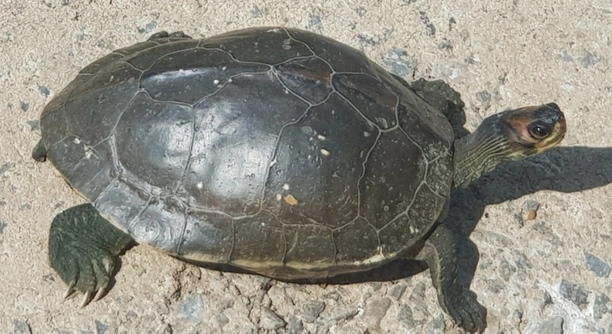
Do you ever find yourself wondering if your Indian roofed tortoise can recognize you? Many pet owners hope their reptiles can form bonds, but turtles and tortoises behave differently from mammals, making their ability to recognize humans a debated topic.
Indian roofed tortoises do not recognize their owners in the same way that dogs or cats do. However, they can learn to associate their owner with food, routines, and care over time, responding to familiar sights and sounds.
Their behavior may seem distant, but there is more to their actions than meets the eye. Understanding how they perceive their environment can help you build trust and create a comfortable space for your tortoise.
How Indian Roofed Tortoises Recognize Their Owners
Indian roofed tortoises rely on their senses to understand their surroundings. While they do not recognize faces like dogs or cats, they can associate certain sights, sounds, and smells with familiar people. Over time, they may respond when they see or hear their owner, especially if they link them with food. Consistent interaction, gentle handling, and a predictable routine can strengthen this recognition. Their intelligence allows them to adapt to their environment, making them capable of forming basic associations. Patience is important, as these reptiles take time to become comfortable with human presence.
Signs of recognition include approaching when you enter the room, looking up when hearing your voice, or showing excitement when food is offered. These behaviors indicate familiarity rather than emotional attachment, as tortoises operate primarily on instinct rather than affection.
Their ability to recognize their owner depends on consistency. Regular feeding, gentle interactions, and a stable habitat help reinforce positive associations.
Building Trust with Your Indian Roofed Tortoise
Establishing trust with your tortoise takes time. Unlike mammals, they do not seek attention but can become more comfortable with consistent care. Slow movements, soft speech, and gentle handling help them feel safe.
Providing a stress-free environment is essential. A well-maintained enclosure with proper lighting, temperature, and hiding spots keeps them secure. Hand-feeding occasionally can also encourage them to associate you with positive experiences. Avoid sudden movements or loud noises, as these can cause stress. Over time, your tortoise may show signs of recognition, such as staying relaxed in your presence or responding when you approach.
Spending time near their enclosure without forcing interaction allows them to observe you and feel at ease. Handling should be minimal and done carefully to avoid causing distress. With patience and consistency, your Indian roofed tortoise can develop a level of familiarity with you, making interactions smoother and more enjoyable.
How Tortoises Perceive Their Environment
Indian roofed tortoises rely on sight, smell, and sound to navigate their surroundings. Their eyesight helps them recognize movement and shapes, while their strong sense of smell allows them to detect food and familiar scents. Sounds, especially repetitive ones, can become associated with routine.
Their vision is sharp enough to distinguish between different colors and objects. They may learn to recognize their owner’s shape or clothing over time. Smell plays a major role in their recognition abilities, as they can detect familiar scents linked to feeding. Repetitive sounds, like a voice or footsteps, can signal an approaching meal.
Movement is another factor in their perception. Sudden motions can startle them, while slow, consistent movements create a sense of safety. Over time, they may associate their owner’s presence with positive experiences, such as food or a clean habitat, reinforcing a sense of familiarity and trust.
Common Mistakes Owners Make
Handling a tortoise too frequently can cause stress. Unlike mammals, they do not enjoy being held and may retreat into their shell when overwhelmed. Sudden movements, loud noises, or constant handling can make them feel unsafe and hinder trust-building efforts.
Neglecting a consistent routine can also create confusion. Tortoises thrive on predictable schedules, especially when it comes to feeding and interaction. If feeding times constantly change or if they are exposed to unpredictable environments, they may struggle to form associations. Creating a stable routine helps them recognize patterns and feel secure in their habitat.
Another mistake is ignoring environmental needs. Incorrect temperatures, improper lighting, or a lack of hiding spots can make them feel stressed. A well-maintained enclosure that mimics their natural habitat is essential for their comfort. Providing a balanced diet, fresh water, and proper space ensures they remain healthy and feel safe in their surroundings.
Encouraging Recognition from Your Tortoise
Consistent feeding times help your tortoise associate you with food. Standing nearby while they eat can reinforce familiarity. Using the same voice tone or gentle movements before feeding creates a routine they can recognize. Repetition is key to building their trust over time.
Avoid forcing interaction, as tortoises need time to adjust. Sitting near their enclosure without handling them allows them to observe and become comfortable with your presence. Slow, patient interactions help them feel safe, making them more likely to acknowledge you over time.
Understanding Tortoise Body Language
Tortoises communicate through subtle movements and behaviors. A relaxed, active tortoise feels safe, while excessive hiding or retreating into its shell indicates stress. If your tortoise approaches you or watches your movements, it may recognize you as part of its routine. Quick movements or sudden withdrawals usually mean discomfort. Observing these cues helps create a stress-free environment.
Final Thoughts
Indian roofed tortoises do not show affection like traditional pets, but they can recognize familiar routines and faces. Patience and consistency help build trust, leading to a more comfortable and engaging experience for both you and your tortoise.
FAQ
Can my Indian roofed tortoise recognize my voice?
Yes, Indian roofed tortoises can learn to recognize sounds, including your voice, if it is consistent. Over time, they may associate the sound of your voice with food or care. While they do not respond emotionally like dogs, they can become accustomed to hearing your voice during feeding times or daily routines. Repeating the same phrases or sounds helps them form associations.
Do tortoises get attached to their owners?
Tortoises do not form emotional attachments in the way that mammals like dogs or cats do. However, they can become familiar with their owners over time, recognizing them through sight, sound, or scent. They may learn to trust you because of the routine you provide, especially during feeding or care sessions, but this recognition is based more on comfort and familiarity rather than affection.
How long does it take for a tortoise to recognize its owner?
The process of recognition can take several weeks to months, depending on the individual tortoise. Consistency is important. If you interact with your tortoise regularly, using the same voice and feeding routine, it will begin associating you with positive experiences. However, it’s important to remember that recognition is more about familiarity with your presence and not about building a personal bond like with other pets.
Do tortoises have memory?
Yes, tortoises have memory, but it’s not the same as the memory that humans or some other animals have. Tortoises can remember where they are fed or where they are kept, and they can associate specific sights, sounds, and scents with certain events. This allows them to recognize their owners through the patterns and routines you establish.
Can tortoises feel affection?
Tortoises do not experience affection in the way that dogs, cats, or other mammals do. They are not social animals that seek out affection. However, they do form connections through repetition and positive experiences, such as feeding or gentle handling. These interactions may make them feel safe and comfortable, but it is not affection as we typically understand it.
What is the best way to bond with my tortoise?
The best way to bond with your tortoise is through patience and consistency. Spend time near their enclosure, using the same voice and routine every day. Avoid forcing interactions; instead, allow your tortoise to approach you on its own terms. Over time, your tortoise will learn to associate you with safety and food. Hand-feeding occasionally and maintaining a stress-free environment can also help improve your relationship.
How can I tell if my tortoise is stressed?
Signs of stress in a tortoise can include excessive hiding, withdrawal into its shell, lack of appetite, and erratic movement. Stress may also be indicated by rapid breathing or a refusal to move around its enclosure. If these behaviors continue, it could signal that your tortoise is uncomfortable, possibly due to environmental factors like temperature, lighting, or handling. It’s important to create a calm, predictable environment for your tortoise to thrive.
Why does my tortoise ignore me?
Tortoises are solitary animals by nature, and their behaviors are not always focused on interaction with humans. If your tortoise ignores you, it may simply be doing what it does best—focusing on its own environment. Over time, though, with consistent care, it may start recognizing you as part of its routine, and that recognition may lead to less “ignoring” as they become more familiar with you.
Can I train my tortoise?
Tortoises are trainable to an extent. You can teach them to associate certain actions, like coming to a specific spot when they hear a sound or offering food, but they cannot learn complex tricks or commands like some other pets. Positive reinforcement, like using food to reward certain behaviors, can be an effective training method. However, their training will always be limited compared to more interactive pets.
What should I do if my tortoise is not eating?
If your tortoise is not eating, first ensure that its habitat conditions are correct—check the temperature, humidity, and lighting. Stress, illness, or poor environmental conditions can lead to loss of appetite. Make sure the food you offer is appropriate for its diet. If the issue persists, consult a veterinarian who specializes in reptiles to rule out any underlying health problems.
Can I handle my tortoise every day?
Handling your tortoise every day is not necessary and can even cause stress. Tortoises generally prefer to be left alone unless there’s a need for interaction, such as feeding or cleaning their enclosure. If you want to handle them, do so gently and for short periods. Frequent or rough handling can cause distress and hinder the trust-building process.
Why does my tortoise hide so much?
Hiding is a natural behavior for tortoises, especially when they feel stressed, threatened, or are adjusting to a new environment. It’s important to provide hiding spots in their enclosure, so they feel secure. If hiding becomes excessive, it could be a sign of stress or discomfort, often linked to environmental issues or changes in their routine.
Indian roofed tortoises are not like typical pets such as dogs or cats, and their way of bonding is different. While they don’t form emotional attachments like mammals, they can learn to recognize their owners over time through repetition and consistency. This recognition is built around familiarity with routines, such as feeding times or the sound of your voice. While your tortoise might not show affection in the same way, it can become comfortable with your presence if treated with patience and care. Understanding their behavior and environment is key to building a positive relationship with them.
The process of gaining recognition from your tortoise is gradual. It can take weeks or months of consistent care, gentle handling, and providing a stable routine. Indian roofed tortoises rely on their senses of sight, sound, and smell to understand their environment, so regular interaction, even if minimal, helps reinforce recognition. It’s important to avoid overwhelming them with too much attention or handling. Instead, let them get used to your presence and allow them to come to you when they feel safe. The more predictable and secure their environment, the more likely they are to recognize you as a part of their daily routine.
While tortoises are not interactive pets in the traditional sense, they can still offer a unique and rewarding experience for their owners. By respecting their space and needs, and by providing the right environment, you can form a bond based on trust and familiarity. In the end, it’s about understanding their natural instincts and creating a setting where they feel safe and comfortable. The recognition they form with you may not be as emotionally expressive as with other pets, but it’s a connection that’s built on respect and routine.

Hello,
If you enjoy the content that we create, please consider saying a "Thank You!" by leaving a tip.
Every little bit helps us continue crafting quality advice that supports the health, happiness, and well-being of pets around the world, for pets of all shapes, sizes, and species.
We really appreciate the kindness and support that you show us!