
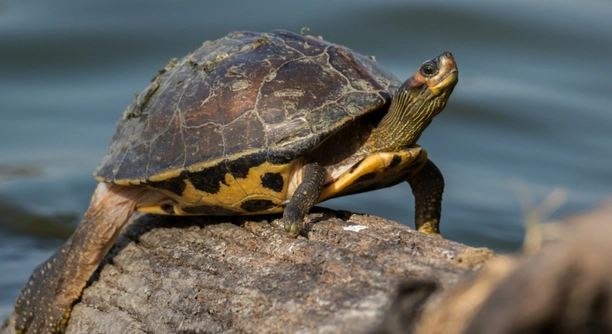
Indian Roofed Tortoises are fascinating pets but can face several health challenges. Understanding these common issues will help you provide the best care for your tortoise and ensure its well-being for years to come.
Indian Roofed Tortoises are prone to a variety of health issues, including respiratory infections, shell rot, and dehydration. Preventive measures such as maintaining a clean habitat, proper hydration, and a balanced diet can significantly reduce these risks.
By understanding these health concerns and preventive steps, you can help ensure a happy and healthy life for your Indian Roofed Tortoise.
Respiratory Infections
Respiratory infections are a common issue for Indian Roofed Tortoises, particularly in environments with fluctuating temperatures or high humidity. These infections can lead to symptoms like wheezing, nasal discharge, and difficulty breathing. It is important to keep the tortoise’s enclosure at a consistent temperature, between 75-85°F (24-29°C), and ensure good airflow. Avoid overcrowding or placing your tortoise in a drafty area.
Proper humidity levels are also crucial for maintaining respiratory health. Humidity should be kept around 50-60%, and regular cleaning of the enclosure is essential to prevent bacteria buildup. Providing a clean, dry habitat will reduce the chances of infections.
If your tortoise shows signs of respiratory issues, seek veterinary care immediately. Untreated respiratory infections can lead to severe complications. Maintaining the right conditions, offering a healthy diet, and providing a stress-free environment are key to avoiding these health problems.
Shell Rot
Shell rot is another common condition in Indian Roofed Tortoises. It is caused by bacteria or fungi attacking the tortoise’s shell, often due to poor living conditions, excessive moisture, or poor diet. Regular cleaning of the enclosure, along with a balanced diet, helps prevent this condition. Keeping the shell dry is essential in reducing the risk of rot.
When left untreated, shell rot can cause severe damage to the tortoise’s shell, leading to deformities and infections. Make sure to inspect your tortoise’s shell regularly for any signs of damage, such as soft spots, discoloration, or foul smells. If rot is detected, immediate veterinary intervention is necessary.
Dehydration
Dehydration is a common issue for Indian Roofed Tortoises, often caused by inadequate access to clean water. These tortoises require a constant supply of fresh water to stay hydrated. Dehydration can lead to lethargy, dry skin, and difficulty shedding.
To prevent dehydration, ensure your tortoise has access to a shallow water dish at all times. The water should be changed daily, especially if it becomes contaminated. You can also mist your tortoise occasionally to help maintain humidity and keep its skin hydrated. Additionally, adding moisture-rich foods like leafy greens to the diet will help with hydration.
If you notice your tortoise appears overly tired or has dry, flaky skin, it may be dehydrated. Immediate access to water and a visit to the vet may be needed for more severe cases. Staying on top of hydration will help maintain its overall health.
Obesity
Obesity is another issue that can affect Indian Roofed Tortoises, often caused by an imbalanced diet. Feeding your tortoise too much high-calcium or high-fat food can lead to weight gain, which can result in mobility issues and health problems.
To avoid obesity, offer a balanced diet consisting of leafy greens, vegetables, and occasional fruit. Limit high-calcium foods and avoid sugary or fatty treats. Providing proper portion sizes will ensure that your tortoise maintains a healthy weight. Regular exercise, such as allowing your tortoise to roam in a secure space, is essential for preventing obesity.
Obesity can lead to long-term health complications like shell deformities, difficulty moving, and even organ failure. If your tortoise is becoming overweight, adjust its diet and exercise routine. Consulting a vet for tailored recommendations may be necessary.
Parasites
Parasites like mites and worms are common in Indian Roofed Tortoises. These can cause discomfort and health problems if not treated promptly. Regular health checks are essential to detect any signs of parasitic infection.
If you notice your tortoise scratching excessively or showing signs of weight loss, it could be a parasite issue. Consulting a vet is crucial for a proper diagnosis and treatment. Proper enclosure hygiene, including frequent cleaning and disinfecting, helps minimize the risk of parasites.
Metabolic Bone Disease
Metabolic Bone Disease (MBD) is a serious condition affecting tortoises, often due to a lack of calcium or inadequate UVB exposure. Without the right balance of nutrients and sunlight, their bones can weaken and deform.
To prevent MBD, ensure your tortoise has access to UVB lighting and a calcium-rich diet. Providing calcium supplements or dusting food with calcium powder can help prevent deficiencies. A well-rounded diet, including leafy greens and appropriate vegetables, is essential for bone health.
MBD can cause severe health problems, such as shell deformities and difficulty moving. If left untreated, it can lead to permanent damage. Keeping up with proper diet and lighting can prevent this condition.
Eye Infections
Eye infections in Indian Roofed Tortoises are often caused by poor hygiene, environmental stress, or dehydration. Symptoms include swollen eyes, discharge, and difficulty opening the eyes.
To prevent eye infections, keep your tortoise’s enclosure clean and dry. Ensure that the humidity levels are balanced, and the tortoise has access to clean, fresh water at all times. Avoid exposure to smoke or fumes, as these can irritate the eyes.
If an eye infection occurs, consult a vet immediately for proper treatment.
FAQ
How often should I feed my Indian Roofed Tortoise?
Indian Roofed Tortoises should be fed every day, primarily offering leafy greens, vegetables, and some fruits. A balanced diet is essential, with a focus on providing variety to meet all their nutritional needs. Avoid feeding them high-calcium or sugary foods too frequently, as these can cause imbalances.
What temperature should my tortoise’s habitat be?
The temperature in the tortoise’s enclosure should range between 75-85°F (24-29°C) during the day, with a basking spot around 90-95°F (32-35°C). At night, the temperature can drop slightly but should not fall below 70°F (21°C). Consistent warmth helps prevent respiratory issues.
How can I maintain the right humidity levels for my tortoise?
Humidity should be kept between 50-60% for Indian Roofed Tortoises. To maintain proper humidity, mist the enclosure daily, ensuring it’s not too wet or dry. You can also use a humidifier or humidity gauge to monitor levels, adjusting as needed.
Can Indian Roofed Tortoises live with other species?
It’s best to house Indian Roofed Tortoises separately, as they can become stressed or territorial when placed with other species. If you do decide to house them with other tortoises, ensure they are of similar size and temperament to avoid conflicts.
What should I do if my tortoise has respiratory issues?
If your tortoise is showing signs of respiratory issues, such as wheezing, nasal discharge, or labored breathing, seek immediate veterinary care. Respiratory infections can worsen quickly and require medication to prevent further complications. Ensure the enclosure is at the right temperature and humidity to help prevent future infections.
Why is my tortoise not eating?
A lack of appetite in Indian Roofed Tortoises can be caused by stress, improper temperature or humidity, or health issues. Check the enclosure’s conditions, and make sure they are within the right range. If your tortoise is still not eating, it’s best to consult a vet.
How do I treat shell rot in my tortoise?
Shell rot is caused by bacteria or fungi attacking the tortoise’s shell. If you notice soft spots, discoloration, or foul odors, consult a vet for proper treatment. Treatment typically involves cleaning the shell, applying prescribed ointments, and ensuring the tortoise’s habitat is dry and clean to prevent further infection.
Can my tortoise have fruit in its diet?
Fruits should only be fed occasionally, as they are high in sugar. Offer small portions of fruits like berries or melon as a treat, but they should not make up a large part of the diet. Stick to leafy greens, dandelion greens, and other vegetables for the majority of their meals.
How do I prevent my tortoise from getting parasites?
Good hygiene is key to preventing parasites. Regularly clean the tortoise’s enclosure and remove any uneaten food. Provide fresh water daily, and ensure the substrate is dry and free of waste. Regular vet checks will also help catch any potential issues early.
Is it necessary to use supplements for my tortoise?
Calcium and vitamin D3 supplements are essential for maintaining strong bones, especially for young or growing tortoises. You can dust their food with calcium powder or provide a cuttlefish bone for them to gnaw on. However, a balanced diet and proper UVB exposure are also crucial.
How can I tell if my tortoise is dehydrated?
Signs of dehydration in tortoises include dry, flaky skin, sunken eyes, and lethargy. Ensure your tortoise has constant access to fresh water and offer moisture-rich foods like leafy greens. If you notice any signs of dehydration, take your tortoise to the vet for proper hydration therapy.
Can Indian Roofed Tortoises live outside?
Indian Roofed Tortoises can live outdoors if the climate is warm and safe. Make sure the outdoor area is secure, free of predators, and offers plenty of hiding spots. They should have access to a sheltered area to escape from extreme weather conditions. Be mindful of temperature fluctuations, as they can’t handle cold weather.
How do I handle my tortoise safely?
Handling your tortoise should be kept to a minimum, as it can be stressful for them. When you do handle them, support their body fully by lifting them gently from underneath. Never grab them by the legs or tail. Allow your tortoise time to explore and feel comfortable in their space.
What do I do if my tortoise is shedding?
Shedding is a normal process for tortoises, but if you notice abnormal shedding, such as patches of dry skin or a stuck shed, help them by increasing humidity in their enclosure. Soaking them in shallow water for a short time can also assist in loosening the shed. If issues persist, consult a vet.
How long do Indian Roofed Tortoises live?
Indian Roofed Tortoises can live for 30-50 years with proper care. Providing a suitable environment, balanced diet, and regular health check-ups will help ensure a long and healthy life.
Can my tortoise get too much UVB light?
Yes, while UVB light is essential for calcium absorption, too much direct exposure to UVB can cause overheating or burn their skin. Make sure to provide a shaded area in their habitat, and ensure the light source is positioned correctly. Proper UVB lighting should be used for about 12 hours a day.
Final Thoughts
Caring for an Indian Roofed Tortoise requires attention to detail and consistency. From their diet to their environment, each aspect of their care plays a vital role in ensuring they remain healthy and happy. While they are relatively low-maintenance pets, there are a few key areas to focus on. These include providing a balanced diet, maintaining proper temperature and humidity levels, and regularly monitoring for common health issues. By staying on top of these, you can help your tortoise thrive in its environment.
Regular health checks are important to spot issues early, especially when it comes to respiratory infections or parasites. Keeping their enclosure clean and offering them appropriate food will help minimize these risks. The most common health problems, such as shell rot, eye infections, or metabolic bone disease, can often be avoided with proper care. While treating health issues may require a trip to the vet, prevention is always the best route. If you maintain a good routine, you’ll likely avoid most of these challenges.
Lastly, the lifespan of an Indian Roofed Tortoise is long, so it’s important to consider the commitment involved. Their care will likely become a long-term responsibility, possibly lasting several decades. Whether you’re a first-time owner or experienced with reptiles, understanding the needs of your tortoise and planning for their future care is essential. With the right approach, you can enjoy the companionship of your tortoise for many years.

Hello,
If you enjoy the content that we create, please consider saying a "Thank You!" by leaving a tip.
Every little bit helps us continue crafting quality advice that supports the health, happiness, and well-being of pets around the world, for pets of all shapes, sizes, and species.
We really appreciate the kindness and support that you show us!