
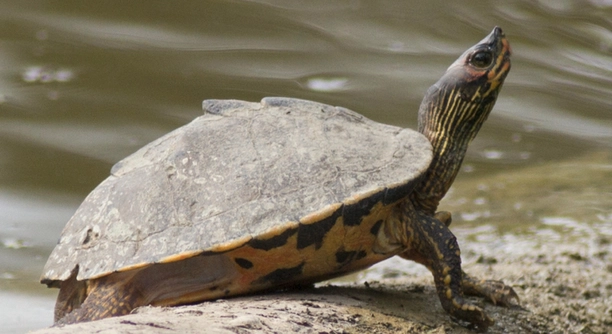
Indian Roofed Tortoises are unique creatures, known for their resilience and ability to thrive in various environments. However, they face many threats from predators. Understanding these dangers and how to protect them is crucial for their survival.
Indian Roofed Tortoises are preyed upon by various animals, including dogs, jackals, and larger birds of prey. In addition, humans pose a significant threat through habitat destruction and illegal trade. Protecting these tortoises requires careful attention to their environment and well-being.
Knowing the risks and how to shield them from harm will help ensure these fascinating creatures continue to thrive in the wild.
Common Predators of Indian Roofed Tortoises
Indian Roofed Tortoises face threats from a range of predators in their natural habitat. Animals such as wild dogs, jackals, and larger birds, like eagles and vultures, often target them. These tortoises, being slow-moving creatures, can become easy prey when they are outside the safety of their shells. Additionally, smaller animals, such as mongoose and large snakes, have been known to attack them as well. Their slow reaction time and inability to outrun these predators make them especially vulnerable during foraging or while attempting to cross busy pathways. In the wild, their only defense is their hard, protective shell, but this doesn’t always provide sufficient protection against determined attackers.
Predators in urban areas pose an added threat, as these tortoises are sometimes found near human settlements. There, domestic animals like dogs and cats can become a serious danger. These creatures may attack the tortoises out of curiosity or instinct, further compromising their safety. Even in areas with less human interference, the presence of large predators is enough to threaten their survival.
Protecting Indian Roofed Tortoises
Protection of the Indian Roofed Tortoise begins with habitat preservation. Ensuring their natural environment remains undisturbed is essential for their survival. As their numbers dwindle, it becomes increasingly important to secure areas where these tortoises live. Human activity, such as deforestation, often leads to habitat fragmentation, making it harder for them to find safe places to hide from predators. Active efforts to protect their environment, whether through conservation programs or wildlife reserves, play a crucial role in maintaining their population.
Education about the threats these animals face also goes a long way in reducing harm. Raising awareness within local communities about the importance of protecting wildlife can help minimize accidental encounters between tortoises and domestic animals. Efforts such as securing roads, limiting poaching, and creating safe havens for these creatures can make a significant difference.
By protecting both their environment and the species themselves, we can contribute to the survival of Indian Roofed Tortoises and maintain their place in the ecosystem.
Importance of Safe Habitats for Indian Roofed Tortoises
Preserving safe habitats for Indian Roofed Tortoises is essential. Their natural environments provide not just food and water but also protection from predators. When their habitat is disturbed, they become more vulnerable to attacks. Without safe spaces, these tortoises struggle to survive. Protecting their habitats is key to their continued existence.
Creating designated wildlife areas or reserves ensures that these tortoises can thrive away from the threats posed by urban expansion. By limiting human intervention and preserving key natural elements, we offer them the best chance for survival. Forests, grasslands, and wetlands all play an important role in keeping these animals safe from predators.
Additionally, habitat protection helps maintain the biodiversity of the area. It ensures that other species that coexist with the tortoises are also supported. This creates a balanced ecosystem where the tortoises can live and reproduce, strengthening their population for future generations.
Role of Conservation Efforts
Conservation efforts play a major role in the protection of Indian Roofed Tortoises. Through initiatives like wildlife reserves, these creatures can find sanctuary away from their predators. These efforts also help restore balance to the environment, ensuring that tortoises have access to the resources they need to thrive.
Involvement from local communities is critical to the success of these programs. When people are aware of the importance of preserving tortoise populations, they are more likely to support wildlife protection efforts. This includes everything from promoting sustainable practices to reporting illegal activity such as poaching. Community-based initiatives have proven to be effective in safeguarding tortoises, as they encourage collaboration between wildlife experts and locals.
The involvement of local governments in enforcing regulations against habitat destruction, poaching, and hunting is also necessary. Strict laws and enforcement help protect tortoises from the growing threats that come with urban expansion and illegal trade. The combined efforts of the community, conservationists, and governments are key to ensuring these animals’ survival.
Threats Posed by Domestic Animals
Domestic animals, particularly dogs and cats, can be a significant threat to Indian Roofed Tortoises. These animals often view tortoises as prey due to their slow movement. When they come into contact, they may chase, injure, or kill the tortoises out of instinct or curiosity.
It’s important to keep domestic animals indoors or in secure areas, especially in regions where tortoises are known to live. Allowing pets to roam freely increases the likelihood of encounters with vulnerable wildlife. Preventing such interactions reduces the risk of injury or death for these animals.
Impact of Illegal Pet Trade
The illegal pet trade has devastating effects on the Indian Roofed Tortoise population. Many tortoises are taken from the wild and sold in illegal markets, further reducing their numbers. This practice disrupts their natural population dynamics and places additional pressure on their habitats.
Traders often do not follow regulations, which can lead to inhumane treatment of the animals. Wild-caught tortoises face long journeys in poor conditions, resulting in high mortality rates. The illegal pet trade also encourages poaching, which exacerbates the problem and decreases the overall tortoise population.
Climate Change and Its Effects
Climate change affects the Indian Roofed Tortoise by altering their natural habitat. Changes in temperature, rainfall patterns, and vegetation directly impact their ability to find food, water, and suitable shelter. Droughts and excessive heat are particularly harmful to these reptiles.
As their environment becomes increasingly unpredictable, tortoises may struggle to adapt. Prolonged periods of extreme weather can lead to the loss of key habitats and further diminish their ability to survive in the wild.
FAQ
What are the main predators of Indian Roofed Tortoises?
Indian Roofed Tortoises face threats from several predators, including dogs, jackals, and larger birds such as eagles and vultures. Snakes and mongooses also target them, especially when the tortoises are young or when they are outside their shells. In addition to natural predators, humans pose a significant threat through habitat destruction and poaching.
How can I protect Indian Roofed Tortoises in my area?
Protecting Indian Roofed Tortoises involves creating safe environments for them. Ensure that their natural habitats are preserved, limit human interference, and prevent the introduction of domestic animals into these areas. You can also report any illegal activity, such as poaching or habitat destruction, to local authorities to help safeguard the species.
Are Indian Roofed Tortoises endangered?
Yes, Indian Roofed Tortoises are considered vulnerable due to a combination of habitat loss, illegal poaching, and predation. They are increasingly threatened by human activities, including urban expansion and deforestation, which destroy their natural habitats. Conservation efforts are essential to protect their population.
What can I do to help conserve Indian Roofed Tortoises?
Supporting conservation programs and wildlife reserves dedicated to protecting Indian Roofed Tortoises is one of the most effective ways to help. Additionally, spreading awareness about their plight and supporting legislation that restricts poaching can help reduce the impact of illegal activities. You can also get involved in local efforts to preserve their habitats and report any instances of poaching.
Can domestic pets harm Indian Roofed Tortoises?
Yes, domestic pets such as dogs and cats pose a significant threat to Indian Roofed Tortoises. These animals often attack out of curiosity or instinct. It is important to keep domestic pets indoors or in secure, controlled areas, especially in regions where tortoises live, to prevent accidental harm or death.
How do Indian Roofed Tortoises defend themselves from predators?
Indian Roofed Tortoises primarily defend themselves with their hard shells. When threatened, they retract their head and limbs inside their shell for protection. However, their slow movement and inability to outrun predators make them vulnerable, especially when they are away from safe shelter.
What is the impact of climate change on Indian Roofed Tortoises?
Climate change can have a significant impact on Indian Roofed Tortoises by altering their habitat. Rising temperatures and changes in rainfall patterns affect the availability of food and water. Extreme heat and drought can further threaten their survival by reducing suitable living conditions and access to resources. These shifts make it harder for them to thrive in their environment.
Do Indian Roofed Tortoises make good pets?
While Indian Roofed Tortoises can be kept as pets, it’s important to understand their specific needs. They require a suitable habitat with plenty of space, proper temperature regulation, and a balanced diet. Additionally, keeping wild-caught tortoises as pets contributes to the decline of their population. It’s crucial to ensure that any tortoises kept as pets are bred responsibly and not taken from the wild.
How long do Indian Roofed Tortoises live?
Indian Roofed Tortoises can live for several decades, typically reaching ages of 50 to 60 years in the wild. In captivity, with proper care, they can live even longer. However, their lifespan can be affected by the conditions they live in, including the availability of food, water, and protection from predators.
What do Indian Roofed Tortoises eat?
Indian Roofed Tortoises are herbivores. Their diet primarily consists of grasses, leaves, fruits, and flowers. They also enjoy eating plants and shrubs found in their natural habitats. It’s essential to provide a varied and balanced diet to ensure their health, whether they are living in the wild or captivity.
How can I identify an Indian Roofed Tortoise?
Indian Roofed Tortoises have a distinctive appearance with a dome-shaped shell that has a smooth, reddish-brown surface. The edges of the shell are often slightly raised, creating a “roof” shape, which is where the tortoise gets its name. They have a relatively small size compared to other tortoises, with a shell length of around 30 cm (12 inches).
Is it illegal to keep Indian Roofed Tortoises as pets?
In many regions, it is illegal to capture wild Indian Roofed Tortoises and keep them as pets due to their vulnerable status. Laws protect them from being taken from their natural habitats and sold in illegal markets. Always check local regulations and adopt only responsibly bred tortoises from legal sources if you choose to keep one as a pet.
What are the signs that an Indian Roofed Tortoise is healthy?
A healthy Indian Roofed Tortoise has a clean, smooth shell, clear eyes, and is active during the day. It should have an appetite and eat regularly. A healthy tortoise should also show no signs of physical injury or deformities, and its behavior should be consistent with species traits.
What are the risks of poaching Indian Roofed Tortoises?
Poaching Indian Roofed Tortoises poses severe risks to their population. Removing them from the wild reduces their numbers, disrupts the ecosystem, and lowers their chances of survival. Poaching also impacts biodiversity and leads to the loss of genetic diversity, making it harder for the species to recover in the future.
How do Indian Roofed Tortoises reproduce?
Indian Roofed Tortoises reproduce by laying eggs. After mating, the female tortoise lays her eggs in a burrow or in soft soil. The eggs hatch after an incubation period, usually around 90 to 120 days. The young tortoises are then left to fend for themselves, although their chances of survival are slim due to predation.
What is being done to protect Indian Roofed Tortoises?
Conservation programs, habitat restoration efforts, and stricter enforcement of anti-poaching laws are key strategies used to protect Indian Roofed Tortoises. Wildlife reserves provide safe spaces where the tortoises can live without the threat of predators or human interference. Increased public awareness and education on their vulnerability also help in protecting the species.
Can Indian Roofed Tortoises be found in zoos?
Yes, many zoos and wildlife parks house Indian Roofed Tortoises to educate the public about their conservation status. These institutions typically care for tortoises that have been rescued or bred in captivity. However, it is important to avoid supporting the illegal trade of wild-caught tortoises.
Final Thoughts
Protecting Indian Roofed Tortoises is crucial for their survival, given the multiple threats they face in the wild. From predators to habitat loss and poaching, their populations are declining. Preserving their natural environments, along with raising awareness about their vulnerability, is essential in ensuring they continue to thrive. Conservation efforts are not only about saving individual animals but also maintaining the balance of the ecosystems they help sustain.
While these tortoises are resilient, they still rely on their natural habitats to survive. The increasing loss of these spaces makes it harder for them to find food, shelter, and safe places to lay eggs. Preventing further habitat destruction is vital, and this can be achieved through stronger regulations, enforcement of wildlife protection laws, and local community involvement in conservation. Additionally, promoting eco-friendly practices and raising awareness about the impacts of deforestation, urban expansion, and climate change will help protect these creatures and other wildlife species in the long term.
In conclusion, every effort counts in the protection of Indian Roofed Tortoises. Whether through supporting conservation programs, reporting poaching activities, or even educating others about the species, we all have a role to play. By taking simple steps to preserve their habitats and reduce human interference, we can help secure a future where Indian Roofed Tortoises are no longer at risk. With continued commitment and collaboration, there is hope for their recovery and the protection of the ecosystems they call home.

Hello,
If you enjoy the content that we create, please consider saying a "Thank You!" by leaving a tip.
Every little bit helps us continue crafting quality advice that supports the health, happiness, and well-being of pets around the world, for pets of all shapes, sizes, and species.
We really appreciate the kindness and support that you show us!