
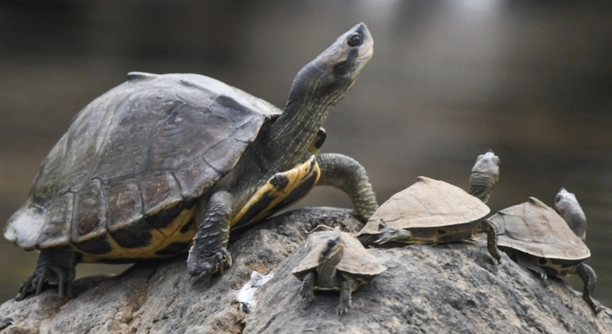
Do you ever wonder if your Indian roofed tortoise feels bored in its enclosure? These curious reptiles have unique behaviors, leading many owners to question whether they need more stimulation to stay happy and engaged in their environment.
Indian roofed tortoises do not experience boredom in the same way as mammals. Their natural behaviors revolve around basking, foraging, and exploring their surroundings. However, a lack of environmental enrichment can lead to stress, which may impact their overall well-being.
Providing a stimulating habitat with hiding spots, climbing structures, and varied terrain can enhance their quality of life. Understanding their needs ensures they remain active and content in captivity.
Understanding Indian Roofed Tortoise Behavior
Indian roofed tortoises are naturally slow-moving reptiles that spend much of their time basking, foraging, and exploring their surroundings. Unlike mammals, they do not require constant stimulation to remain content. However, they still benefit from a well-designed environment that mimics their natural habitat. A lack of activity does not necessarily indicate boredom, but it can be a sign that their enclosure needs improvement. Ensuring proper lighting, temperature, and space encourages natural behaviors. Simple additions like rocks, logs, and water features provide variety and enrichment, making their daily routines more engaging and stimulating.
A tortoise that appears inactive for extended periods may be experiencing stress or an unsuitable habitat. Environmental adjustments, such as optimizing temperature gradients and adding more hiding spots, can promote activity. Observing their behavior helps determine whether changes are necessary to support their well-being.
A well-structured habitat allows them to exhibit natural behaviors without unnecessary stress. Keeping their enclosure dynamic with varied textures and objects enhances their physical and mental stimulation.
Creating an Enriching Environment
Providing a well-planned enclosure ensures that an Indian roofed tortoise remains active and engaged. Simple adjustments can significantly enhance their quality of life, encouraging natural movement and exploration.
A spacious enclosure with a mix of dry and moist areas creates a comfortable setting for these reptiles. Rocks, branches, and hides offer opportunities for climbing and shelter, while a shallow water dish allows them to soak. Natural sunlight or UVB lighting is essential for their health, supporting proper shell and bone development. A varied diet, including leafy greens, vegetables, and calcium-rich supplements, contributes to their overall well-being. Regularly rearranging enclosure elements can prevent monotony and encourage exploration.
Enrichment activities, such as hiding food around their habitat, provide mental stimulation and mimic natural foraging behaviors. A well-maintained and thoughtfully designed environment keeps them healthy and engaged, ensuring a balanced and fulfilling life in captivity.
Signs of Stress and Lack of Stimulation
A stressed tortoise may become less active, refuse food, or spend excessive time hiding. Erratic behaviors, such as constant pacing or trying to escape, can indicate discomfort. Addressing these signs early helps prevent long-term health issues.
Ensuring proper temperature, humidity, and lighting is essential for their well-being. If a tortoise remains inactive despite a well-maintained habitat, adding variety to their enclosure can encourage movement. Placing logs, plants, and different textures in their space promotes exploration. Regular handling should be limited, as excessive interaction can cause stress. Observing their response to environmental changes helps determine what adjustments are needed.
A balanced diet also contributes to overall health and activity levels. Lack of essential nutrients can lead to lethargy, so offering a mix of leafy greens, vegetables, and calcium supplements supports energy levels. Monitoring their eating habits provides insight into their condition.
Encouraging Natural Behaviors
Creating an environment that supports natural behaviors keeps a tortoise active and engaged. Adding enrichment elements, such as varied terrain and hiding spots, allows them to explore without feeling stressed. A comfortable and secure enclosure promotes healthy activity levels and prevents unnecessary discomfort.
Providing a combination of soft soil, rocks, and shallow water sources encourages behaviors like burrowing, climbing, and soaking. Regularly rotating elements in the enclosure prevents stagnation and keeps their surroundings interesting. Live plants can also create a more natural feel, offering additional hiding spaces and mild sensory stimulation. Adjusting the enclosure based on seasonal changes ensures their comfort year-round.
Temperature fluctuations influence their activity levels, so maintaining a proper thermal gradient supports their daily routine. Observing how they interact with their environment helps determine what adjustments enhance their comfort. A well-planned setup allows them to move freely and engage in instinctive activities without unnecessary interference.
The Importance of Routine
A consistent routine helps an Indian roofed tortoise feel secure in its environment. Regular feeding times, stable temperatures, and predictable lighting cycles support their natural rhythms. Sudden changes can cause stress, so keeping their daily schedule steady promotes overall well-being and healthy behaviors.
Monitoring activity levels and eating habits helps ensure they remain in good health. If a tortoise becomes less responsive or starts avoiding food, assessing their habitat and routine can identify potential issues. Small adjustments, such as modifying lighting duration or providing new hiding spots, can improve their comfort and encourage natural movement.
Common Mistakes to Avoid
Overhandling can cause stress and disrupt a tortoise’s natural behavior. While occasional interaction is fine, frequent handling should be minimized. Creating a stable and enriched environment is more beneficial than unnecessary physical contact.
Final Thoughts
Providing a stimulating habitat and maintaining a steady routine keeps an Indian roofed tortoise healthy and engaged. Observing their behavior ensures they receive proper care.
FAQ
Can Indian roofed tortoises recognize their owners?
Indian roofed tortoises do not form bonds like mammals, but they can recognize routines and familiar people. Over time, they may associate their owner with food and care, responding by approaching or showing mild curiosity when they see them.
Do Indian roofed tortoises need companionship?
They are generally solitary and do not require companionship to stay healthy. Keeping multiple tortoises together can lead to competition for resources, stress, or aggressive interactions. Providing a well-enriched habitat is more beneficial than introducing another tortoise into their space.
How can I keep my Indian roofed tortoise entertained?
Adding hiding spots, different textures, and climbing elements encourages exploration. Changing the layout of their enclosure occasionally keeps things interesting. Offering safe, edible plants or scattering food in different areas stimulates natural foraging behaviors and prevents boredom.
How often should I handle my tortoise?
Handling should be limited to necessary interactions, such as health checks or enclosure cleaning. Frequent handling can cause stress, leading to retraction into their shell or avoidance behaviors. If handled, support their body properly and avoid sudden movements.
What should I do if my tortoise stops eating?
A tortoise refusing food may indicate stress, improper temperatures, or an underlying health issue. Checking habitat conditions and ensuring a varied, nutritious diet can help. If appetite loss persists, a reptile veterinarian should evaluate for potential health concerns.
Can my tortoise recognize its name?
Tortoises do not respond to names like dogs or cats, but they can associate sounds with certain actions. Repeating a specific sound before feeding can create recognition, making them more responsive over time.
Why is my tortoise digging excessively?
Digging is a natural behavior, often linked to temperature regulation, stress, or nesting instincts. Providing a proper substrate and ensuring ideal temperatures can help. If excessive digging continues, evaluating their environment for possible discomfort is necessary.
Do tortoises get lonely?
They do not experience loneliness in the way social animals do. As long as their enclosure provides enough enrichment, they remain content on their own. Unnecessary socialization with other tortoises can sometimes lead to stress instead of companionship.
Is it normal for my tortoise to sleep a lot?
Sleeping patterns depend on temperature and lighting conditions. If they are too cold or not receiving enough light, they may become less active. Ensuring proper heat and UVB exposure helps regulate their daily rhythm and encourages normal activity.
How do I know if my tortoise is happy?
A healthy tortoise will explore, eat regularly, and engage with its environment. Lethargy, refusal to eat, or excessive hiding may indicate stress or illness. Observing their daily behavior helps determine if any changes are needed in their care routine.
Final Thoughts
Indian roofed tortoises thrive in a well-maintained environment that meets their physical and mental needs. Providing a spacious enclosure with proper heating, lighting, and enrichment ensures they stay active and engaged. A varied diet with fresh greens, vegetables, and calcium sources supports their overall health. Regular monitoring of their behavior, eating patterns, and activity levels helps identify any potential issues early. Small adjustments to their habitat, such as adding new textures or rearranging hiding spots, can prevent boredom and encourage natural behaviors.
While these tortoises do not require companionship, they benefit from a stable routine. Keeping their daily schedule consistent, including feeding times and lighting cycles, reduces stress and helps them feel secure. Overhandling should be avoided, as excessive interaction can cause anxiety. Instead, allowing them to explore their environment freely while providing enrichment activities like climbing structures or scattered food helps maintain their well-being. Observing their natural behaviors is the best way to determine if any improvements are needed.
Caring for an Indian roofed tortoise requires attention to detail and a commitment to their long-term needs. Creating a suitable habitat, offering a nutritious diet, and maintaining proper hygiene are essential for their health. With the right care, they can live a long and fulfilling life, displaying their natural instincts and behaviors.

Hello,
If you enjoy the content that we create, please consider saying a "Thank You!" by leaving a tip.
Every little bit helps us continue crafting quality advice that supports the health, happiness, and well-being of pets around the world, for pets of all shapes, sizes, and species.
We really appreciate the kindness and support that you show us!