
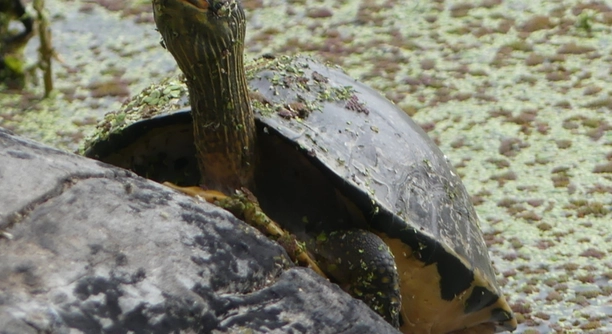
Indian Roofed Tortoises are fascinating creatures that require a specific diet to thrive. If you’re new to caring for one, understanding their eating habits is crucial. Knowing what to feed them will help keep them healthy and happy.
Indian Roofed Tortoises are herbivores, primarily feeding on grasses, leaves, flowers, and fruits. A balanced diet of various plant-based foods is essential for their well-being and proper digestion. Avoid overfeeding high-calcium foods to prevent health issues.
Providing the right mix of greens and other natural foods will help keep your tortoise in top condition. Understanding their dietary needs can ensure a long and healthy life for your pet.
What Do Indian Roofed Tortoises Eat in the Wild?
In the wild, Indian Roofed Tortoises enjoy a diet of grasses, leaves, flowers, and fruits. They typically forage in open forests, grasslands, and savannas. These tortoises are herbivores and thrive on a wide variety of plants that they can find in their environment. The types of plants they eat vary depending on their habitat, but they rely mostly on grass and leafy greens, especially during the wet season when fresh plant growth is abundant. A healthy, balanced diet is crucial for their survival, helping them maintain energy and hydration.
Their ability to digest tough plant matter is supported by a specialized digestive system that helps them break down fiber. During the dry season, these tortoises may focus more on succulents and fruits, as these provide necessary moisture and nutrients. It is important to remember that their diet in the wild is constantly changing based on the availability of food.
Knowing how varied their diet is in nature can help you replicate it in captivity. Providing a similar range of plant matter will help keep your pet tortoise healthy.
What Should You Feed Your Pet Indian Roofed Tortoise?
Pet Indian Roofed Tortoises need a diet that mimics what they would eat in the wild. This includes leafy greens, hay, and the occasional fruit. They should have access to a variety of fresh vegetables and high-fiber foods, which support proper digestion.
Leafy greens such as dandelion greens, collard greens, and turnip greens should form the bulk of their diet. These provide vital nutrients and fiber. You can also offer grasses, which should be safe and pesticide-free. Fruits like strawberries, melons, and papayas can be given in moderation as treats.
It’s essential to avoid feeding them too many high-calcium or high-protein foods, as this can lead to health problems. A varied diet that includes a mix of vegetables, greens, and fruits ensures that your tortoise gets all the nutrients it needs to stay healthy. Keeping a balance is key, as too much of one type of food can lead to deficiencies or imbalances.
Foods to Avoid Feeding Your Indian Roofed Tortoise
Certain foods can be harmful to your tortoise’s health. Avoid feeding them dairy, meat, or high-protein foods, as these can cause digestive issues. Toxic plants like rhubarb, avocado, and some varieties of lilies should never be given.
It’s also important to avoid offering foods that are high in oxalates, such as spinach and beet greens, as they can interfere with calcium absorption. High-calcium foods like broccoli and kale should be limited to prevent kidney problems. Additionally, feeding your tortoise iceberg lettuce can lead to digestive problems because it lacks essential nutrients. Stick to the basics to ensure your tortoise thrives.
Overfeeding fruits can lead to obesity and digestive upset. Tortoises do best with a varied yet controlled diet, where they get a good mix of leafy greens, vegetables, and occasional fruits. Avoid sugary or processed snacks as they offer little nutrition. Always double-check if a food is safe before offering it.
How Often Should You Feed Your Indian Roofed Tortoise?
Indian Roofed Tortoises should be fed once a day when they are young. As they mature, you can reduce their feeding frequency to every other day. The amount of food should be enough to fill their stomach but not too much to cause overfeeding.
For a healthy adult tortoise, feeding every other day allows for natural foraging behaviors. Fresh greens, vegetables, and occasional fruits should make up the bulk of their meals. Offering hay and grasses regularly will help them maintain a healthy weight. While adult tortoises are less active, they still need plenty of fiber-rich foods to support their digestive health.
The feeding schedule should be consistent to help maintain a healthy routine. Keep in mind that their appetite may vary with the seasons. During warmer months, they may eat more due to increased activity. Always monitor their weight to make sure they are not over or underfed.
How to Prepare Food for Your Indian Roofed Tortoise
Preparing food for your tortoise is simple. Wash all vegetables and fruits thoroughly to remove any pesticides or harmful chemicals. Chop the food into small, manageable pieces that your tortoise can easily eat.
You can also provide food in a shallow dish, ensuring that it is clean. If you’re offering leafy greens, make sure to remove any tough stems or uneaten parts regularly. It’s important to remove leftovers from the enclosure daily to avoid mold and bacteria growth. Offering fresh food ensures a nutritious and safe feeding experience.
Hydration Needs for Indian Roofed Tortoises
Indian Roofed Tortoises need access to fresh water at all times. Place a shallow water dish in their enclosure and change the water daily. This helps them stay hydrated and supports digestion.
Tortoises may also drink water from leafy vegetables or fruits. While they get some moisture from their diet, they still require a consistent water source. Be sure to keep the water clean and check for any signs of contamination, especially in warmer temperatures. It’s essential to monitor their hydration levels regularly.
Supplements for Indian Roofed Tortoises
Indian Roofed Tortoises may need occasional supplements to maintain proper nutrition. Calcium and vitamin D3 are the most important supplements to consider. Calcium helps prevent metabolic bone disease, which is common in reptiles.
You can sprinkle calcium powder on their food once or twice a week. Vitamin D3 is necessary for calcium absorption, so you may use a supplement with both or ensure they get sunlight to produce it naturally. However, avoid over-supplementing, as it can lead to health problems. Always consult with a vet for the right dosage.
FAQ
What is the best diet for an Indian Roofed Tortoise?
The best diet for an Indian Roofed Tortoise consists primarily of leafy greens like dandelion greens, collard greens, and turnip greens. These should make up the majority of their diet. Grasses are also important and can be offered if available. Fruits like strawberries, papayas, and melons can be given occasionally as treats. You should avoid feeding them too many high-calcium or high-protein foods, as this can lead to health issues. A mix of vegetables and plants will provide the necessary nutrients for their well-being.
Can I feed my Indian Roofed Tortoise vegetables?
Yes, vegetables are an essential part of an Indian Roofed Tortoise’s diet. Vegetables like carrots, squash, and bell peppers are excellent choices. However, be mindful of the types of vegetables you feed them. Avoid high-oxalate vegetables like spinach, as they can interfere with calcium absorption. Stick to a variety of greens and low-oxalate vegetables to ensure your tortoise gets balanced nutrition.
How often should I feed my Indian Roofed Tortoise?
Young Indian Roofed Tortoises should be fed every day, while adult tortoises can be fed every other day. A consistent feeding schedule is important to maintain their health and ensure they get enough food. The quantity should be based on their size, ensuring they receive enough to fill their stomach without overfeeding. Keep track of their weight and appetite to determine the right amount of food.
Can Indian Roofed Tortoises eat fruit?
Indian Roofed Tortoises can eat fruit, but it should be given in moderation. Fruits like strawberries, mangoes, and watermelon are safe choices. However, fruits are high in sugar and should not make up the majority of their diet. A small portion as a treat is sufficient. Too much fruit can lead to digestive issues and obesity.
What foods should I avoid feeding my Indian Roofed Tortoise?
Avoid feeding your Indian Roofed Tortoise foods that are high in protein, such as meat, dairy, and processed foods. These can lead to kidney problems and other health issues. Additionally, avoid toxic plants like avocado, rhubarb, and some varieties of lilies, as they can be harmful or even deadly to your tortoise. Foods high in oxalates, such as spinach and beet greens, should also be limited.
Can Indian Roofed Tortoises eat lettuce?
While Indian Roofed Tortoises can eat lettuce, it’s important to avoid iceberg lettuce, as it has little nutritional value and can cause digestive issues. Darker leaf lettuces like romaine can be offered occasionally. However, it should not be a staple in their diet. Stick to more nutritious greens like dandelion greens and collard greens.
How much should I feed my Indian Roofed Tortoise?
The amount of food you feed your tortoise depends on its age and size. Young tortoises should be given enough food to fill their stomachs every day, while adults typically eat every other day. Offer enough food to last for the day, but avoid overfeeding. Monitoring their weight and appetite is key to determining the correct amount.
Do Indian Roofed Tortoises need supplements?
Indian Roofed Tortoises may benefit from calcium and vitamin D3 supplements. These help prevent metabolic bone disease and support proper growth. Calcium should be sprinkled on their food a few times a week, while vitamin D3 can be provided through supplements or by ensuring they get sunlight. However, it’s important not to over-supplement, as this can lead to health issues. Always consult a vet to determine the proper dosage.
How do I keep my Indian Roofed Tortoise hydrated?
Provide fresh water in a shallow dish at all times. Change the water daily to ensure it stays clean. Tortoises may also hydrate by eating water-rich vegetables and fruits, such as cucumber and watermelon. Ensure they have access to water throughout the day, especially in warmer weather. Proper hydration is vital for their digestion and overall health.
Can Indian Roofed Tortoises eat weeds from my yard?
Indian Roofed Tortoises can eat weeds from your yard, but only if you’re sure they are safe and pesticide-free. Common edible weeds include dandelions, clover, and plantain. Avoid weeds that might be toxic, such as those from the nightshade family. Always identify the plants before offering them to your tortoise.
Is it okay to feed my Indian Roofed Tortoise commercially available tortoise food?
Commercially available tortoise food can be used as a supplement, but it should not be the main source of food. Many commercial foods are processed and may not provide all the necessary nutrients. It’s best to offer a variety of fresh, whole foods such as leafy greens, grasses, and fruits. Use commercial food occasionally, but prioritize fresh and natural options.
Can Indian Roofed Tortoises eat flowers?
Yes, Indian Roofed Tortoises can eat certain types of flowers. Safe flowers include hibiscus, dandelions, and pansies. These can be offered as occasional treats, but they should not make up the majority of their diet. Always make sure the flowers are free from pesticides or chemicals before feeding them to your tortoise.
Should I feed my Indian Roofed Tortoise a variety of foods?
Yes, providing a variety of foods is important for ensuring your tortoise gets all the nutrients it needs. Offer a range of leafy greens, vegetables, and fruits. This variety helps mimic their natural diet and prevents nutritional deficiencies. Don’t rely on just one type of food, as diversity in their diet is key to their overall health.
Can Indian Roofed Tortoises eat cactus?
Indian Roofed Tortoises can eat certain types of cactus, especially the pads of prickly pear cacti. These provide hydration and nutrients. However, you should remove the thorns before feeding them, as these can cause injury. Cactus can be a healthy addition to their diet, but it should not be the main food source.
How can I tell if my Indian Roofed Tortoise is eating enough?
If your Indian Roofed Tortoise is eating enough, they should have a consistent appetite and maintain a healthy weight. If you notice that they are losing weight or showing signs of lethargy, it could be an indication that they are not eating enough. Keep track of their eating habits and consult a vet if necessary.
Final Thoughts
Caring for an Indian Roofed Tortoise involves more than just feeding them. Understanding their natural diet and providing the right variety of foods is key to their health and happiness. By offering fresh greens, vegetables, and occasional fruits, you can mimic their diet in the wild and give them the nutrition they need. Be mindful of foods that are high in oxalates or calcium, as these can cause health problems if fed too often. It’s important to avoid overfeeding fruits and to make sure their meals are balanced.
Hydration is also an essential part of their care. Indian Roofed Tortoises need access to fresh water at all times. While they can get some moisture from their food, they still need a separate water source for drinking. This ensures they stay hydrated and supports their digestive system. Regularly changing the water and providing clean bowls will help keep them healthy. You should also monitor their hydration and check that the water doesn’t get contaminated or dirty. A well-hydrated tortoise is more likely to stay active and healthy.
Lastly, regular feeding schedules are important for their well-being. Younger tortoises need food daily, while adults can be fed every other day. Keep track of their weight and appetite, as this helps you ensure they are getting the right amount of food. Remember that tortoises are creatures of habit, so consistency is key. With the right diet, plenty of water, and a consistent feeding schedule, your Indian Roofed Tortoise will have the best chance for a long, healthy life. Make sure to consult a veterinarian if you have any concerns about their diet or overall health.

Hello,
If you enjoy the content that we create, please consider saying a "Thank You!" by leaving a tip.
Every little bit helps us continue crafting quality advice that supports the health, happiness, and well-being of pets around the world, for pets of all shapes, sizes, and species.
We really appreciate the kindness and support that you show us!