
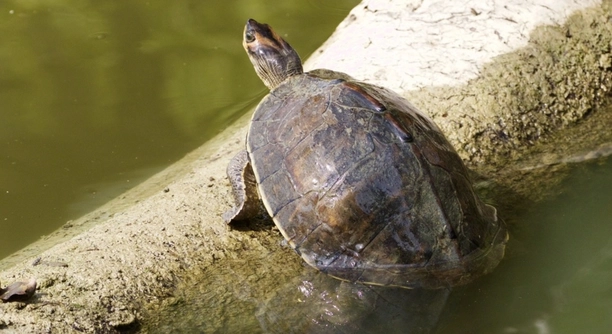
Caring for an Indian Roofed Tortoise requires attention to its specific needs. These tortoises are relatively low-maintenance but thrive best with the right environment and diet. Proper care ensures their long-term health and happiness.
Indian Roofed Tortoises require a warm environment, ample space, and a balanced diet of fresh vegetables and proteins. A suitable habitat with adequate humidity and UVB lighting is essential for their well-being.
Their care may seem simple, but understanding key factors will ensure they live a healthy and fulfilling life in your care.
Habitat and Environment Needs
Indian Roofed Tortoises require a specific environment to thrive. Their enclosure should be spacious, allowing them room to roam. An indoor enclosure with a substrate such as coconut coir or soil is ideal, as it mimics their natural habitat. They also need a basking spot with a temperature of about 90°F and a cooler area at 75°F. Additionally, they need access to UVB light, as this helps with vitamin D3 synthesis and calcium absorption. Without proper UVB exposure, they may suffer from metabolic bone disease.
Humidity levels in their enclosure should be around 50-60%, which can be maintained by misting the habitat or providing a water dish for soaking. This also helps them shed their skin properly. When setting up their habitat, make sure there are hiding spots to reduce stress. With the right conditions, your tortoise will feel comfortable and secure.
If you’re setting up an outdoor enclosure, ensure it’s safe and escape-proof. A good outdoor setup gives them space to explore while maintaining safety from predators.
Feeding and Diet
A balanced diet is crucial for the health of an Indian Roofed Tortoise.
They should be fed a variety of fresh leafy greens such as dandelion greens, collard greens, and turnip greens. Fruits like papaya, mango, and berries can be offered as treats but should be given sparingly due to their high sugar content. You should also provide a calcium supplement and ensure they have access to fresh water at all times.
Protein can be included occasionally in their diet. They can eat insects, earthworms, and snails in moderation, which provide important nutrients. Be sure to avoid feeding them high-fat foods or dairy. Overfeeding can lead to obesity and other health problems.
Temperature and Lighting
Indian Roofed Tortoises need a well-regulated temperature for optimal health. The basking spot should be heated to around 90°F, while the rest of the enclosure should be cooler at about 75°F.
UVB light is essential for these tortoises to metabolize calcium. Ensure they receive 10-12 hours of light daily, either from natural sunlight or a UVB bulb. This helps prevent conditions like metabolic bone disease. Without UVB, they may also experience shell deformities and weakened bones.
Nighttime temperatures should drop slightly to allow for a natural day-night cycle. A heat mat can help maintain warmth without overheating the habitat. Always monitor the temperature with a thermometer to avoid fluctuations.
Health and Veterinary Care
Regular check-ups with a reptile veterinarian are necessary to ensure the tortoise remains healthy.
Look for signs of illness such as lethargy, loss of appetite, or abnormal shell growth. Early detection can prevent more serious issues later. A healthy Indian Roofed Tortoise will be active, eat well, and have a smooth, shiny shell.
Parasite infections can occur, especially if the tortoise’s environment isn’t cleaned regularly. Make sure to disinfect their enclosure to minimize the risk of diseases. Regularly check their eyes, nose, and mouth for any signs of infection or discharge.
Handling and Interaction
Indian Roofed Tortoises are generally calm and can become accustomed to human handling.
When handling them, be gentle and avoid sudden movements. Support their body fully to prevent injury. These tortoises enjoy slow and steady interaction but can become stressed if handled too often.
Avoid picking them up by their shell or legs, as this can cause discomfort. Instead, let them crawl onto your hand or use both hands to support their body. Over time, they may tolerate more handling but should be allowed to explore at their own pace.
Shedding and Skin Care
Regular shedding is a normal part of a tortoise’s life.
Ensure the enclosure is humid enough to help them shed their skin properly. You can provide a shallow water dish for them to soak in, which helps loosen old skin. If shedding is incomplete or irregular, it may indicate improper humidity or nutrition.
Breeding
Breeding Indian Roofed Tortoises requires specific conditions.
They should be housed in larger enclosures to accommodate mating. Male tortoises may show aggression towards females during mating season, so separate them if necessary. Ensure the female has access to nesting areas to lay eggs, such as moist soil. Eggs need to be incubated at the proper temperature and humidity levels.
FAQ
How big do Indian Roofed Tortoises get?
Indian Roofed Tortoises typically grow to about 8 to 12 inches in length. Males are usually smaller, while females can reach the larger end of this range. Their shells have a distinctive, smooth appearance with a slightly domed shape, which adds to their unique look. They grow steadily over several years, reaching their full size by the time they are around 10 to 15 years old.
What is the lifespan of an Indian Roofed Tortoise?
Indian Roofed Tortoises are known for their longevity, often living between 50 and 80 years in captivity. With the right care, including proper diet, lighting, and a clean, safe environment, they can live long, healthy lives.
What temperature should I keep my tortoise’s enclosure?
The enclosure’s temperature should vary to mimic their natural habitat. The basking area should be around 90°F, while the cooler side of the enclosure should be around 75°F. At night, the temperature can drop to around 70°F. Use a thermometer to monitor these temperatures and avoid extremes.
Can I house multiple Indian Roofed Tortoises together?
It is possible to house multiple tortoises together, but it depends on the size of the enclosure. Overcrowding can lead to stress, fighting, and territorial behavior, especially during breeding seasons. Males may become more aggressive. It’s always best to ensure they have enough space and places to hide.
What should I feed my Indian Roofed Tortoise?
They primarily eat leafy greens such as dandelion, collard greens, and turnip greens. You can also offer them occasional fruits like berries and papaya. Protein should be given sparingly, and can include insects like crickets, earthworms, and snails. Always avoid high-fat foods and dairy products.
Do I need to provide supplements for my tortoise?
Yes, calcium and vitamin D3 supplements are recommended to help support healthy shell and bone development. Calcium should be sprinkled on their food a few times a week, and a UVB light source is necessary to help them metabolize it.
How often should I clean my tortoise’s enclosure?
The enclosure should be cleaned weekly to prevent the buildup of waste, bacteria, and mold. Spot-clean daily by removing any uneaten food and waste. Change the bedding or substrate as needed, and disinfect the entire enclosure every month to keep it fresh and safe for your tortoise.
What type of lighting does my tortoise need?
Indian Roofed Tortoises need UVB lighting to help them metabolize calcium and maintain strong bones and shells. They require 10-12 hours of light per day, either from natural sunlight or a good quality UVB bulb. Make sure the light is placed close enough for them to bask under it.
How can I tell if my tortoise is sick?
Signs of illness include loss of appetite, lethargy, difficulty moving, or shell deformities. If your tortoise is breathing heavily, has discharge from the nose or eyes, or is not eating, it’s time to see a vet. Early intervention is key to treating any potential health issues.
Can Indian Roofed Tortoises swim?
Indian Roofed Tortoises are not strong swimmers, but they do enjoy shallow water. They may soak in water to hydrate and help with shedding, but they should not be submerged in deep water for long periods. Always ensure they have an accessible shallow water dish.
How do I breed Indian Roofed Tortoises?
Breeding requires a suitable environment with ample space and a proper diet. During mating season, males may become aggressive, so it’s best to monitor interactions. Females need a soft substrate like moist soil to lay eggs. Incubate the eggs at around 80-85°F with high humidity for successful hatching.
What’s the best way to handle my Indian Roofed Tortoise?
Always handle your tortoise gently, supporting its body fully. Avoid picking it up by its legs or shell, as this can cause stress. Allow the tortoise to crawl onto your hand or pick it up from the sides, never from the top. Limit handling to reduce stress.
What size enclosure do I need for my tortoise?
An Indian Roofed Tortoise needs a spacious enclosure. For one adult, a minimum of 40-55 gallons is recommended, with more space if you plan to house multiple tortoises. The larger the enclosure, the more room they will have to roam, reducing stress and promoting a healthy lifestyle.
Can I keep Indian Roofed Tortoises outside?
Yes, but only in a secure, enclosed outdoor area. They enjoy basking in the sun but must be protected from predators and extreme temperatures. An outdoor enclosure should be escape-proof and have enough shade, water, and places to hide for them to feel safe.
How often do I need to feed my tortoise?
Feed your Indian Roofed Tortoise every day, offering a variety of fresh greens and occasional fruits. Provide small amounts of protein, like insects or worms, 2-3 times a week. Always remove uneaten food to prevent it from spoiling in the enclosure.
Do Indian Roofed Tortoises hibernate?
Indian Roofed Tortoises do not typically hibernate, but they may enter a period of inactivity during cooler months. It’s important to maintain the appropriate temperature and lighting year-round to ensure they stay healthy and active, even during these resting periods.
Are Indian Roofed Tortoises aggressive?
Indian Roofed Tortoises are generally calm and not aggressive. However, males may show aggressive behavior during breeding seasons or if they feel their territory is threatened. Providing enough space and hiding spots can reduce these behaviors.
How do I ensure my tortoise is getting enough calcium?
Calcium is vital for strong bones and a healthy shell. You can provide calcium by dusting their food with a calcium supplement. Ensure they have proper UVB lighting, which helps them absorb calcium effectively. Without adequate calcium, they may develop metabolic bone disease.
Final Thoughts
Caring for an Indian Roofed Tortoise requires dedication and attention to detail. These tortoises need the right environment, which includes proper lighting, temperature, and humidity. Regular cleaning of their enclosure is essential to maintain a healthy living space. Additionally, providing a balanced diet with the right nutrients is crucial to their overall well-being. While these tortoises are relatively low-maintenance compared to other pets, they still require time and care to thrive.
The lifespan of an Indian Roofed Tortoise can be long, often reaching several decades, which makes them a long-term commitment. Their health can be significantly impacted by diet, habitat conditions, and routine care. It’s important to remain vigilant and watch for signs of illness or stress, as early detection can prevent more serious health issues. Consistent care, such as supplementing their diet with calcium and ensuring they receive adequate UVB light, will support their long-term health and vitality.
Overall, Indian Roofed Tortoises are fascinating creatures to keep as pets. With the right setup and routine, they can live a healthy and happy life in your care. Their calm demeanor and unique shell make them a rewarding species to have as a companion. By paying attention to their needs and being consistent with their care, you can enjoy the company of these remarkable tortoises for many years.

Hello,
If you enjoy the content that we create, please consider saying a "Thank You!" by leaving a tip.
Every little bit helps us continue crafting quality advice that supports the health, happiness, and well-being of pets around the world, for pets of all shapes, sizes, and species.
We really appreciate the kindness and support that you show us!