
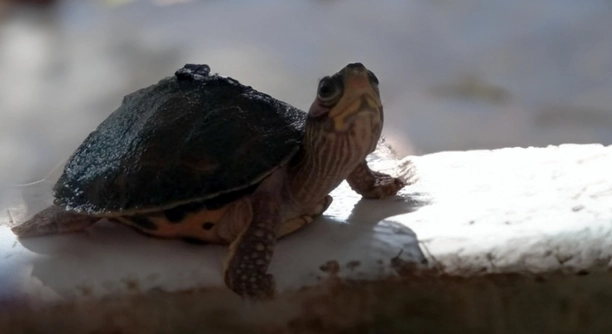
Indian Roofed Tortoises are fascinating creatures, and their lifespan is often a topic of curiosity for many tortoise enthusiasts. Understanding how long they live is important for their care and overall well-being.
Indian Roofed Tortoises typically live between 50 to 60 years, with some individuals reaching even older ages in ideal conditions. Their lifespan is influenced by factors such as diet, habitat, and overall care.
The factors that affect their longevity are crucial for ensuring a long, healthy life. Proper care and understanding of these factors can make a significant difference in their lifespan.
What Affects the Lifespan of Indian Roofed Tortoises?
The lifespan of Indian Roofed Tortoises can vary greatly depending on various factors. First and foremost, their environment plays a huge role. Tortoises that live in clean, well-maintained habitats tend to live longer. Proper temperature and humidity are essential for their health, as extreme conditions can lead to stress, which can shorten their lives. Along with this, a balanced diet filled with the right amount of nutrients contributes significantly to their longevity.
Genetics also play a part. Some tortoises are naturally predisposed to live longer than others. Proper care can help them live up to their full genetic potential.
In addition to habitat and diet, the attention given to their health matters too. Regular check-ups help catch any potential issues early, ensuring that the tortoise is well looked after. Keeping track of their growth, monitoring behavior, and staying alert to signs of illness can help improve their life expectancy.
How Diet Impacts Their Longevity
A well-balanced diet helps keep your tortoise healthy, which leads to a longer life. Feeding them the right mix of leafy greens, vegetables, and occasional fruits will provide them with necessary nutrients.
Nutrition is vital for tortoises, especially when it comes to their shell and overall growth. Offering a variety of food types ensures they get all essential vitamins and minerals. This reduces the risk of malnutrition or other health complications that could cut their lifespan short. Tortoises that lack a proper diet are more prone to illnesses, which ultimately impacts how long they live.
The Role of Habitat in Their Lifespan
The environment where your Indian Roofed Tortoise lives can impact its lifespan. A clean, well-maintained habitat is essential for its overall health.
Proper temperature and humidity are key factors that help your tortoise thrive. Too much heat or cold can cause stress and health issues. A suitable enclosure with enough space for movement also prevents them from becoming lethargic or anxious. Keeping their habitat free from toxins, mold, or pests ensures they remain in good condition. A comfortable living space will help your tortoise live longer.
If you’re keeping them outdoors, ensure they are shielded from extreme weather conditions. Indoors, use proper lighting to mimic natural sunlight. These small details make a significant difference in how well they age.
The Importance of Regular Veterinary Care
Regular vet visits ensure your tortoise stays healthy and any potential issues are caught early. A vet can check for parasites, infections, or other underlying problems.
Some signs of illness, such as changes in appetite or behavior, can go unnoticed. Having a vet monitor your tortoise’s health will give you peace of mind. Also, vaccinations and deworming are important steps in preventing long-term health problems. Preventative care can save you from expensive treatments later and extend your tortoise’s lifespan.
Taking the time to learn about common tortoise diseases will also help you take action faster if something goes wrong. Catching things early is always more effective in prolonging life.
The Impact of Stress on Lifespan
Stress is harmful to your tortoise’s health and can shorten its lifespan. It can be caused by sudden changes in their environment, improper handling, or overcrowding.
To avoid stress, keep their habitat quiet and secure. Limit loud noises and sudden movements around their enclosure. Regular, gentle handling also helps them remain calm. The less stressed they are, the better their chance at living a long, healthy life.
The Effects of Overfeeding or Underfeeding
Overfeeding or underfeeding can negatively impact the lifespan of an Indian Roofed Tortoise. Both extremes can cause health issues like obesity or malnutrition.
It’s essential to provide the right portion of food to maintain a balanced diet. Overfeeding leads to weight gain and potential shell deformities, while underfeeding can stunt growth and make them more susceptible to illness. Keeping track of their intake ensures they stay healthy.
Proper Shell Care
A tortoise’s shell is vital to its health. Keeping it clean and free from injury will help prevent infections and other complications.
Avoid rough surfaces that can cause cracks or damage to the shell. Regularly check for signs of injury and address them immediately. A healthy shell is a strong foundation for a long life.
FAQ
How long do Indian Roofed Tortoises live in the wild?
In the wild, Indian Roofed Tortoises can live anywhere from 50 to 60 years, and sometimes even longer, depending on their environment and conditions. Natural predators, diseases, and food availability can sometimes reduce their lifespan, but in an undisturbed, healthy environment, they can thrive and live to their full potential.
How long do Indian Roofed Tortoises live in captivity?
When cared for properly, Indian Roofed Tortoises can live as long as they would in the wild—around 50 to 60 years, sometimes even surpassing this mark. In captivity, they’re protected from predators and environmental threats, and with proper diet and habitat, they can live longer, healthier lives.
What factors can affect the lifespan of an Indian Roofed Tortoise?
Several factors influence the lifespan of these tortoises. The quality of their diet, the conditions of their habitat, whether they receive proper veterinary care, and the amount of stress they experience all play a significant role. Neglecting any of these areas can lead to health problems that may shorten their lifespan.
Can Indian Roofed Tortoises live longer with a proper diet?
Yes, a balanced diet contributes greatly to their overall health and longevity. A well-fed tortoise with the proper nutrients will have a stronger immune system and better growth, preventing common health issues that can shorten their life. Avoiding excessive feeding or poor-quality food will prevent obesity or malnutrition.
Is it safe to feed my tortoise fruits regularly?
Fruits can be fed to Indian Roofed Tortoises but should only be given occasionally. Too much fruit can lead to weight gain and digestive issues, as fruits are often high in sugar. Stick to leafy greens and vegetables as the primary source of their diet, and offer fruit as a treat once in a while.
What kind of habitat do Indian Roofed Tortoises need to live a long life?
A spacious, clean, and safe environment is key. If kept outdoors, their enclosure should have access to both shaded and sunny areas. Indoors, UVB lighting and heat sources are necessary to mimic natural sunlight. Regular cleaning is essential to avoid the growth of harmful bacteria, and they should have access to clean water at all times.
Do Indian Roofed Tortoises need a specific temperature range?
Yes, temperature regulation is crucial. These tortoises thrive in temperatures between 75°F to 85°F (24°C to 29°C) during the day. At night, the temperature can drop a few degrees but should not fall below 65°F (18°C). If the temperature goes too high or too low, it can cause stress and illness.
How often should I take my Indian Roofed Tortoise to the vet?
Regular check-ups are important to maintain their health. It’s a good idea to schedule an annual visit to ensure they are free from parasites and infections. If you notice any signs of illness—such as a change in appetite, lethargy, or abnormal behavior—make an appointment sooner. Preventative care can catch problems early and help keep your tortoise healthy for a long time.
How can I tell if my tortoise is stressed?
Stress in tortoises can show up in various ways, including loss of appetite, refusal to move, excessive hiding, or even aggressive behavior. If your tortoise is showing signs of stress, it could be due to factors like improper habitat conditions, overhandling, or loud noises. Reducing stress will improve their health and longevity.
Can I keep multiple Indian Roofed Tortoises together?
While Indian Roofed Tortoises are generally solitary animals, they can sometimes be kept together if they have enough space. However, there is always a risk of territorial behavior, especially in smaller enclosures. It’s best to monitor their interactions closely and separate them if any aggression or stress is observed.
What should I do if my Indian Roofed Tortoise has a shell injury?
If your tortoise’s shell gets injured, you should clean the area gently with warm water and contact a veterinarian right away. Shell injuries, if not treated, can lead to infections that may shorten their life. A vet can provide treatment and proper care for shell injuries to avoid long-term damage.
How do I know if my tortoise is healthy?
A healthy Indian Roofed Tortoise will have bright eyes, active behavior, and a healthy appetite. Their shell should be smooth without any cracks, and their movements should be steady. Any sudden changes in behavior, appearance, or eating habits should be checked by a vet immediately.
Can Indian Roofed Tortoises get sick?
Yes, they can. Common health problems include respiratory infections, shell rot, parasites, and vitamin deficiencies. Providing a balanced diet, clean water, and proper environmental conditions will minimize the risk of illness. Regular vet visits can help catch any health problems before they become serious.
How long do Indian Roofed Tortoises stay babies?
Indian Roofed Tortoises remain babies for the first 2 to 3 years of their lives. During this time, they go through significant growth. It’s essential to provide extra care during this stage, including ensuring their diet is rich in calcium to support shell and bone development. After this, they transition into juveniles and continue growing slowly.
Are Indian Roofed Tortoises good pets for beginners?
Indian Roofed Tortoises can be a great choice for beginners, but they require specific care to thrive. If you’re ready to commit to providing the right environment, diet, and regular care, they can make wonderful pets. Their long lifespan means they are a lifelong commitment, but with the right attention, they are relatively easy to care for.
Final Thoughts
Indian Roofed Tortoises are remarkable creatures that can live for many decades with the right care. Understanding what contributes to their long lifespan, such as a proper diet, a clean habitat, and regular veterinary check-ups, is key to helping them live a healthy life. These tortoises require a balanced environment, which includes appropriate temperature, humidity, and enough space for movement. By providing these essentials, you can ensure that your tortoise will have a comfortable life.
It’s important to remember that, like any pet, Indian Roofed Tortoises are a long-term commitment. Their lifespan of 50 to 60 years (or even longer) means that you need to be prepared to take care of them for many years. A lot of their well-being depends on the environment you create for them, so regular attention to details like habitat cleanliness, food variety, and even stress reduction will help them thrive. Paying attention to small things can make a big difference in how they age and live.
By taking steps to properly care for your Indian Roofed Tortoise, you not only ensure they live a long life, but you also form a bond that can last for many years. Proper diet and health monitoring are crucial, but so is providing a peaceful environment where your tortoise can feel safe and relaxed. Whether you’re new to keeping a tortoise or have had one for years, focusing on their needs and being consistent with their care will help them live a full and healthy life.

Hello,
If you enjoy the content that we create, please consider saying a "Thank You!" by leaving a tip.
Every little bit helps us continue crafting quality advice that supports the health, happiness, and well-being of pets around the world, for pets of all shapes, sizes, and species.
We really appreciate the kindness and support that you show us!