
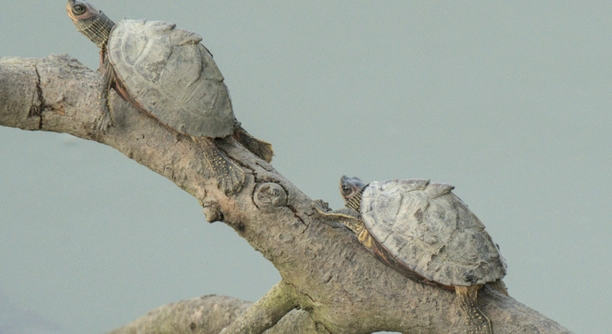
Indian roofed tortoises are fascinating creatures, known for their unique shells and calm demeanor. If you own one or are thinking of getting one, understanding their feeding habits is essential to keeping them healthy.
Indian roofed tortoises can survive without food for around 2 to 3 weeks, depending on factors like their size, health, and environmental conditions. However, it’s not recommended to leave them without food for extended periods as it can harm their well-being.
Learning how to care for your tortoise properly, including feeding schedules and handling their diet, is key to keeping them happy and healthy.
How Do Indian Roofed Tortoises Survive Without Food?
Indian roofed tortoises can go without food for a limited period, but it’s important to understand the reasons behind this. These tortoises, like many reptiles, rely on their slow metabolism and fat reserves to survive when food is scarce. They are not like mammals that need food regularly to keep their energy up. However, just because they can survive without food for some time doesn’t mean they should be left unfed. Their health depends on a proper diet, and long periods without food can lead to malnutrition or weakened immune systems.
In their natural habitat, these tortoises have access to fresh plants, insects, and even some small animals. In captivity, a balanced diet is necessary to maintain their health. They should be fed regularly with a mix of leafy greens, fruits, and vegetables.
Though they can manage short periods without food, extended fasting can be harmful. It may lead to dehydration, which is just as dangerous as lack of nutrition. If you notice your tortoise is not eating, it’s essential to look for other signs of stress or illness. Be sure to provide them with proper care, so they can thrive.
How Often Should Indian Roofed Tortoises Eat?
Indian roofed tortoises typically need to eat daily. While they can survive without food for a brief period, feeding them regularly keeps them strong and healthy. A daily feeding schedule helps maintain their energy levels and supports their digestive health.
Their diet should consist mostly of plant material, including leafy greens like dandelion, collard greens, and clover. Providing them with fresh vegetables and fruits is important as well. However, keep in mind that tortoises are primarily herbivores, so their meals should reflect this.
An imbalanced diet can lead to health issues such as shell deformities or digestive problems. You should avoid feeding them foods high in sugar or fat, like lettuce, which can cause digestive issues. Always ensure they have access to clean water. Regular feeding can also help with maintaining their natural behaviors, as food is an important part of their routine. Keeping their environment consistent and their diet varied will ensure your tortoise stays happy and healthy in captivity.
What Happens if Indian Roofed Tortoises Don’t Eat?
When Indian roofed tortoises don’t eat for extended periods, their health begins to suffer. Malnutrition can set in, weakening their immune system and causing various health issues. Their energy levels decrease, and they become more vulnerable to diseases and infections. Without food, their bodies use up stored fat, which can eventually lead to severe dehydration and organ failure.
Additionally, a tortoise’s digestive system relies on a steady intake of food to keep functioning. When they stop eating, their intestines can become sluggish, leading to constipation or impaction. This can cause discomfort and even more serious complications if not addressed promptly. Over time, a lack of proper nutrition can also result in the softening of their shell, a condition known as “soft shell syndrome.”
In the wild, Indian roofed tortoises may go without food for brief periods due to environmental factors like seasonal changes. However, in captivity, it’s crucial to maintain a consistent feeding schedule. Prolonged fasting in captive tortoises can quickly lead to irreversible damage to their health.
How Long Can Indian Roofed Tortoises Go Without Water?
Water is just as important as food for Indian roofed tortoises. They can survive for some time without food, but not without water. If they are deprived of water for a long time, they will suffer from dehydration. Their body systems will slow down, and they’ll have difficulty absorbing nutrients.
Dehydration can affect the tortoise’s skin, shell, and internal organs. A dehydrated tortoise will appear lethargic and may lose its appetite. This can lead to other serious health issues, such as kidney failure or digestive problems. Dehydration can also cause the tortoise’s urine to become concentrated and harmful to its kidneys.
To avoid dehydration, make sure your tortoise has access to fresh, clean water at all times. You can offer water in a shallow dish that is easy for them to drink from. Some tortoises may also enjoy soaking in shallow water to rehydrate. Make sure to change the water frequently, as dirty water can lead to infections.
Signs Your Indian Roofed Tortoise Needs Food
If your Indian roofed tortoise isn’t eating, there are a few signs to look for. They may appear lethargic, with less movement than usual. Their eyes could look dull, and their shell might seem softer. These can all indicate a lack of nutrition or a health issue.
A loss of appetite in tortoises can also be a sign of stress, illness, or an improper environment. If your tortoise is hiding more than usual or seems less active, it could be related to a feeding problem. Make sure to check their temperature and humidity, as both impact feeding behavior.
Tortoises are creatures of habit, and any drastic change in their routine or environment can cause them to stop eating. If you notice these signs, consider adjusting their habitat, diet, or consult with a veterinarian to ensure everything is okay. Regular monitoring of their food intake is key to ensuring their well-being.
How to Encourage Your Indian Roofed Tortoise to Eat
If your tortoise is not eating, it’s important to try and encourage it. Begin by offering a variety of foods, including leafy greens, fruits, and vegetables. They may have a preference for certain types of food, and introducing new options could spark their interest.
Consider the temperature of the environment as well. Tortoises are cold-blooded and need the right warmth to digest their food properly. If the enclosure is too cold, they may refuse food. Ensure the temperature is within the recommended range for your tortoise’s species, usually between 75-85°F.
Sometimes, changing the food presentation can help, like chopping food into smaller pieces or providing it on a different surface. Providing food near areas where they typically roam may also help them associate food with familiar places. Keep trying different approaches to find what works best.
The Importance of Proper Habitat for Healthy Feeding
A proper habitat is essential for the health and feeding of your Indian roofed tortoise. Without the right conditions, your tortoise might not feel comfortable enough to eat. Their enclosure should include hiding spots, proper substrate, and easy access to water.
Temperature plays a critical role in their digestion and activity level. Ensure that the enclosure has a basking area with a heat source and a cooler zone for them to regulate their body temperature. Proper lighting is equally important to simulate a natural day-night cycle. These factors will encourage them to eat and remain active.
Tortoises are sensitive to stress, and any disturbances in their environment can affect their eating habits. Ensure that your tortoise feels secure and has plenty of space to roam. With a well-maintained habitat, your tortoise will be more likely to eat regularly and stay healthy.
FAQ
How can I tell if my Indian Roofed Tortoise is healthy?
A healthy Indian roofed tortoise will have clear, bright eyes, a strong shell, and steady movement. They should be active during their waking hours, not excessively lethargic. Their skin will appear smooth, and their shell should feel hard without soft spots or cracks. Check for normal eating habits and hydration. If your tortoise is eating regularly and moving around, it’s likely healthy. However, if you notice any unusual behavior, such as excessive hiding, lack of appetite, or any physical deformities, it’s best to consult a veterinarian.
What should I do if my Indian Roofed Tortoise stops eating?
If your tortoise stops eating, the first step is to assess their environment. Ensure the temperature and humidity are within the recommended range. A drop in temperature can cause them to lose their appetite. Check if there is any stress in their surroundings, such as loud noises or changes in routine. Also, make sure the food you are offering is fresh and varied. If they still don’t eat after a few days, you may need to consult a vet to rule out illness.
Can Indian Roofed Tortoises eat fruit?
Yes, Indian roofed tortoises can eat fruits, but they should only be given in moderation. Fruits like apples, pears, and melons are suitable for them. However, fruits are high in sugar and should not form the bulk of their diet. A primarily herbivorous diet, with leafy greens and vegetables, is ideal for their health. Avoid feeding them citrus fruits or sugary processed snacks.
How often should I feed my Indian Roofed Tortoise?
Indian roofed tortoises should be fed every day. A balanced diet of leafy greens like dandelion, collard greens, and grasses should be provided daily. Offer fruits and vegetables two to three times a week. You should also ensure they have constant access to clean water. A proper feeding routine helps maintain their energy levels and overall health. Avoid overfeeding them, especially with high-calcium or high-protein foods, as this can lead to health issues.
How do I know if my Indian Roofed Tortoise is dehydrated?
Signs of dehydration in Indian roofed tortoises include dry, wrinkled skin, sunken eyes, and lethargy. If the tortoise isn’t drinking water or soaking in a shallow dish regularly, it may be dehydrated. Check their hydration by gently pressing on their skin. If it doesn’t snap back into place, they might be dehydrated. Make sure to provide them with clean water at all times, and offer them a shallow dish to soak in to help with rehydration.
What should I do if my Indian Roofed Tortoise is overweight?
If your tortoise is overweight, it’s important to reduce the amount of high-calcium foods like fruit and certain vegetables, as they may lead to weight gain. Offer more leafy greens and grasses, and avoid overfeeding them. Ensure they have enough space for exercise and opportunities to roam around. Overfeeding and lack of activity can cause obesity in tortoises, which may lead to problems like shell deformities or joint stress. Adjust their diet and monitor their weight regularly.
Is it okay to let my Indian Roofed Tortoise roam freely in the house?
It’s not recommended to let your Indian roofed tortoise roam freely inside the house without supervision. While they may enjoy exploring, the house isn’t a safe environment for them. There could be potential hazards like electrical cords, small objects they might ingest, or chemicals they might come into contact with. If you do let them explore, ensure the area is safe, and always supervise them. It’s better to provide them with a designated play area or a large enclosure where they can roam freely without risks.
Can Indian Roofed Tortoises live with other reptiles?
Indian roofed tortoises are solitary creatures and can be territorial. It’s not recommended to house them with other reptiles or even other tortoises, as they may become aggressive or stressed. Tortoises have specific space and environmental needs, which can be compromised if they share their enclosure with other animals. If you plan to house multiple tortoises, ensure their living area is spacious enough to allow each one to have their own space and reduce potential conflict.
What temperature should my Indian Roofed Tortoise’s habitat be?
Indian roofed tortoises require a temperature range of 75-85°F (24-29°C) in their habitat. You should also provide a basking spot with a temperature of around 90-95°F (32-35°C) so they can regulate their body temperature. A heat lamp or UVB light should be used to ensure they get the necessary light for metabolism and calcium absorption. Make sure the temperature remains consistent throughout the day and night, as fluctuations can stress your tortoise.
How do I clean my Indian Roofed Tortoise’s enclosure?
Cleaning your tortoise’s enclosure regularly is crucial for maintaining their health. Remove uneaten food, soiled bedding, and waste daily. Wash the water dish and food dishes thoroughly with mild soap and water to prevent bacterial growth. Once a week, change the substrate and wipe down surfaces with a safe disinfectant. Be sure to rinse everything well to avoid any chemical residue that could harm your tortoise. Keep the enclosure dry and ensure proper ventilation to prevent the growth of mold or bacteria.
Can I take my Indian Roofed Tortoise outside?
Yes, you can take your Indian roofed tortoise outside, but only in a secure, safe environment. Make sure the area is free of predators, chemicals, and any potential hazards. Ensure that the outdoor temperature is within the ideal range for your tortoise, and never leave them outside unsupervised. A secure outdoor enclosure or fenced area is best to let them roam safely. Allow them to explore, but ensure they have access to shaded areas, fresh water, and shelter if needed.
Final Thoughts
Indian roofed tortoises are fascinating and relatively low-maintenance pets, but they require a specific set of care guidelines to stay healthy. Understanding their feeding habits, how long they can go without food, and the importance of hydration are crucial to their well-being. While they can survive for a couple of weeks without food, it’s important not to let them go without nutrition for too long. A proper diet of leafy greens, vegetables, and the occasional fruit is essential to maintain their health. Keep in mind that their metabolism is slower than many other pets, so they won’t need food every day like some animals do, but regular feeding is still important.
Hydration is just as important as food for Indian roofed tortoises. Dehydration can cause serious health problems and can quickly become life-threatening if not addressed. Providing fresh, clean water at all times and ensuring they have access to soaking areas will help prevent dehydration. It’s also a good idea to monitor their overall activity levels. If they’re not eating or drinking as much as usual, it could be a sign that something isn’t quite right in their environment or health. It’s always a good idea to keep a close eye on them and adjust their habitat or diet as needed.
While it’s not uncommon for tortoises to go through periods where they don’t eat as much, it’s still vital to provide a stable environment for them to thrive in. Maintaining the right temperature, humidity, and light conditions in their enclosure is key. If any of these factors are off, it could lead to stress or lack of appetite. When in doubt, always consult a veterinarian who specializes in reptiles to make sure your tortoise is healthy and thriving. With the right care, your Indian roofed tortoise will live a long, healthy life.

Hello,
If you enjoy the content that we create, please consider saying a "Thank You!" by leaving a tip.
Every little bit helps us continue crafting quality advice that supports the health, happiness, and well-being of pets around the world, for pets of all shapes, sizes, and species.
We really appreciate the kindness and support that you show us!