
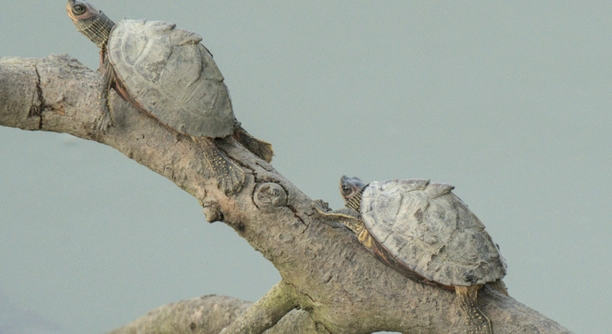
The Indian Roofed Tortoise is a unique and fascinating species known for its ability to hold its breath for extended periods. In the wild, it can often be found in various aquatic habitats. Understanding how long these tortoises can hold their breath helps in appreciating their survival mechanisms.
The Indian Roofed Tortoise can hold its breath for up to 20 to 30 minutes when submerged in water. This ability is essential for foraging and escaping predators in their natural habitat.
There is more to the tortoise’s breath-holding ability than meets the eye. By understanding their unique physiology, we can learn how these animals thrive in their environments.
Why Can Indian Roofed Tortoises Hold Their Breath So Long?
The Indian Roofed Tortoise’s remarkable ability to hold its breath stems from its unique physiology. Unlike many other animals, this tortoise can thrive in both land and aquatic environments. When submerged, it uses specialized adaptations, such as a slow metabolism, to conserve oxygen. This allows the tortoise to stay underwater for significant periods, often up to 30 minutes. These adaptations are not just about survival; they help them forage for food or escape predators. The slow metabolic rate, along with efficient use of oxygen, enables them to live comfortably in their semi-aquatic habitats.
Tortoises also have a high tolerance for carbon dioxide, which means they can withstand higher levels of CO2 in their blood while submerged. This adaptation helps them avoid stress and allows for extended periods without the need to surface for air.
This breathing ability plays an essential role in the tortoise’s survival in the wild. Understanding how it functions gives insight into how it survives and thrives in such a unique way, despite the challenges it faces in its environment.
The Role of Water in the Tortoise’s Breath Holding Ability
Water is crucial to the Indian Roofed Tortoise’s ability to hold its breath.
Water acts as a medium where the tortoise can fully submerge its body and utilize its natural adaptations. Their ability to stay submerged for longer periods is partly due to their environment. When underwater, they can access resources like plants and aquatic insects. The tortoise can effectively reduce its oxygen consumption, allowing for a longer duration without breathing.
What makes the Indian Roofed Tortoise’s ability even more impressive is that it can hold its breath during both calm and active periods. Whether it’s foraging or evading danger, this reptile uses its time underwater efficiently.
How the Indian Roofed Tortoise Uses Its Oxygen Efficiently
The Indian Roofed Tortoise has a highly efficient oxygen system that helps it survive long periods underwater.
One of the key factors that help the tortoise conserve oxygen is its slow metabolism. When underwater, the tortoise’s body enters a state of lowered activity, which means it doesn’t need as much oxygen. This allows it to remain submerged for up to 30 minutes without needing to surface.
Another factor is the tortoise’s ability to reduce its heart rate when submerged. This lowers its oxygen consumption even more, making it well-suited for life in an environment where oxygen may not always be readily available.
The Impact of Temperature on Breath Holding
Temperature plays a big role in how long the Indian Roofed Tortoise can hold its breath.
As ectotherms, tortoises rely on external temperatures to regulate their body heat. When it’s colder, their metabolism slows down, which helps them conserve oxygen. In warm conditions, their metabolism speeds up, meaning they require more oxygen and can hold their breath for shorter periods.
If the tortoise is too cold, it might not be as active, and its body processes will slow down. This can affect how effectively it holds its breath, though the overall effect depends on the severity of the cold.
How Deep Can the Indian Roofed Tortoise Submerge?
The Indian Roofed Tortoise can dive to varying depths depending on the habitat it’s in.
In most natural settings, these tortoises submerge to depths of around 1 to 2 meters. This allows them to forage for food, hide from predators, and enjoy a comfortable aquatic environment. While they may not go extremely deep, they still make good use of their environment.
What Happens If the Tortoise Holds Its Breath Too Long?
If the tortoise holds its breath for too long, it risks oxygen deprivation.
Extended periods without oxygen can cause stress and harm to the tortoise. However, the tortoise is well adapted to recover from short periods of low oxygen, as its body has evolved to handle such situations. If it remains submerged too long, the tortoise may become sluggish and need to rest to restore its balance.
FAQ
How long can an Indian Roofed Tortoise hold its breath underwater?
The Indian Roofed Tortoise can hold its breath for up to 30 minutes when submerged in water. However, this time varies depending on factors such as water temperature, the tortoise’s activity, and its metabolic rate. In colder water, it may be able to stay submerged longer as its metabolism slows down, requiring less oxygen. On warmer days, the tortoise might need to surface more often.
Does the Indian Roofed Tortoise need to breathe while submerged?
Yes, the Indian Roofed Tortoise still needs to breathe while submerged, but it has developed an efficient system that allows it to do so for long periods. When underwater, its body enters a low-energy state, slowing its metabolism and heart rate, which reduces oxygen consumption. This adaptation helps it remain submerged for longer.
Can the Indian Roofed Tortoise survive without breathing for longer than 30 minutes?
While 30 minutes is a common estimate for how long the tortoise can hold its breath, survival beyond this time becomes more difficult. Holding its breath for too long can lead to oxygen deprivation, which causes stress and physical damage. However, a healthy tortoise with a slow metabolism can generally recover from short periods of oxygen deficiency.
Do Indian Roofed Tortoises always live in water?
Indian Roofed Tortoises are semi-aquatic, meaning they spend a significant amount of time in water but also live on land. They are often found in ponds, lakes, and slow-moving rivers, where they can submerge and forage for food. They come ashore to bask in the sun, lay eggs, or rest.
How do Indian Roofed Tortoises use their ability to hold their breath?
This ability helps them survive in environments where they might need to avoid predators or find food underwater. When submerged, they can forage for aquatic plants, insects, and algae. Additionally, if they sense danger, they can dive into deeper waters and remain hidden from predators until it’s safe to surface.
Are Indian Roofed Tortoises at risk of drowning?
Though Indian Roofed Tortoises can hold their breath for long periods, they are still vulnerable to drowning if trapped or unable to reach the surface. A tortoise that is weakened, sick, or stressed might struggle to surface and could potentially drown. In their natural environment, they are adept swimmers and can find their way to safety.
How does temperature affect the Indian Roofed Tortoise’s ability to hold its breath?
Temperature plays a key role in regulating the tortoise’s metabolism. When the temperature drops, its metabolism slows, allowing it to conserve oxygen for longer periods. Conversely, warmer temperatures increase its metabolism, meaning it will need to surface more often to breathe. Therefore, these tortoises are better able to hold their breath in cooler environments.
Can Indian Roofed Tortoises hold their breath on land?
While Indian Roofed Tortoises can hold their breath underwater for extended periods, they don’t typically need to hold their breath while on land. On land, they breathe normally, just like other land-dwelling animals. The ability to hold their breath is specifically an adaptation for their semi-aquatic lifestyle.
How does the Indian Roofed Tortoise’s metabolism help with breath-holding?
The tortoise’s slow metabolism is a key factor that allows it to hold its breath for longer. This metabolic rate reduces the body’s need for oxygen, allowing it to stay underwater longer. When submerged, their bodies enter a state of energy conservation, which helps prolong breath-holding and allows them to survive in conditions where oxygen levels might be lower.
Are there any risks if the tortoise is submerged for too long?
Yes, there are risks associated with prolonged submersion. If an Indian Roofed Tortoise remains underwater for too long without sufficient oxygen, it can experience oxygen deprivation. This can cause lethargy, disorientation, or even long-term damage if not addressed. In extreme cases, it could lead to suffocation. However, tortoises are quite resilient and can recover from short periods of low oxygen.
Do Indian Roofed Tortoises need to surface for air regularly?
While Indian Roofed Tortoises are capable of holding their breath for long periods, they do need to surface periodically for air. Depending on their activity level and the environmental conditions, they will come up for air when needed. They may not always surface immediately, but they instinctively know when it’s time to do so.
Final Thoughts
The Indian Roofed Tortoise’s ability to hold its breath for extended periods is a fascinating survival skill. Living in semi-aquatic environments, it has adapted to stay submerged for up to 30 minutes when necessary. This trait helps the tortoise find food, avoid predators, and navigate its environment more efficiently. Its slow metabolism and the ability to reduce its heart rate while submerged are key factors that allow it to conserve oxygen. These adaptations ensure that the tortoise can survive in various conditions, whether in warm or cool waters.
However, while the tortoise can hold its breath for impressive lengths of time, there are limits to this ability. If the tortoise remains underwater for too long, it risks oxygen deprivation and could experience harmful effects such as sluggishness or stress. The tortoise’s natural environment allows it to stay submerged for the right amount of time, but if stressed or trapped, it could struggle to reach the surface, putting it at risk. Knowing how long the tortoise can hold its breath is important for understanding its behavior and well-being in both wild and captive environments.
Overall, the Indian Roofed Tortoise’s breath-holding ability is a remarkable aspect of its survival strategy. Its ability to remain submerged and use oxygen efficiently is crucial for thriving in its natural habitat. While it can withstand short periods of low oxygen, it’s important to remember that prolonged submersion without access to air can be harmful. These tortoises are well-suited to their semi-aquatic lifestyle, but it’s essential to ensure they have access to both land and water to stay healthy and safe.

Hello,
If you enjoy the content that we create, please consider saying a "Thank You!" by leaving a tip.
Every little bit helps us continue crafting quality advice that supports the health, happiness, and well-being of pets around the world, for pets of all shapes, sizes, and species.
We really appreciate the kindness and support that you show us!