
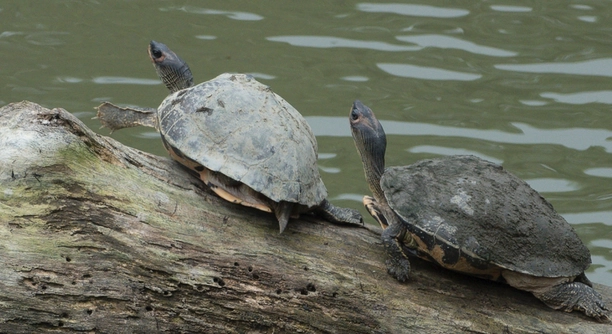
Indian roofed tortoises are popular pets due to their calm demeanor and fascinating behavior. Many people are interested in how big these tortoises get as they grow, making it important to understand their development.
Indian roofed tortoises typically grow to a size of 12 to 15 inches in length, with some individuals reaching up to 18 inches. Their growth rate can vary based on factors like diet, habitat, and overall care.
Understanding how these tortoises grow will help you provide the best care possible. Knowing their size and growth stages can also help prevent any potential health issues as they age.
What Affects the Size of an Indian Roofed Tortoise?
The size of an Indian roofed tortoise depends on a few key factors like genetics, diet, and the environment it’s kept in. If a tortoise is in a space with plenty of room to roam, it’s likely to grow to its full size. In contrast, smaller enclosures or cramped conditions can stunt growth. Diet also plays a significant role. A healthy diet that includes leafy greens, fruits, and calcium-rich foods can help promote strong, steady growth. Tortoises that don’t get the right nutrients may grow slower or show signs of developmental issues. Temperature is another important factor. If kept in environments that are too cold, they might not grow as well.
Tortoises also need access to UVB light for healthy shell and bone growth. Lack of proper lighting can affect their development.
Ensuring your tortoise gets proper care through a balanced diet, space, and the right lighting can support its growth potential. However, even with optimal care, genetics will still influence how large a tortoise can become.
Growth Stages of an Indian Roofed Tortoise
As a baby, an Indian roofed tortoise can be as small as 2 inches. It grows steadily through its first few years, typically reaching about 6 inches by the time it’s 2 to 3 years old.
At around 5 to 6 years old, they start reaching their adult size, which is typically between 12 to 15 inches. During this period, you should focus on providing proper nutrition, including enough calcium and vitamin D3 to help their shells and bones develop fully. At this stage, they still require a balanced diet to maintain steady growth.
It’s important to remember that growth will eventually slow down after they reach maturity, typically around 7 to 10 years old. At this point, tortoises are generally full-grown, although they may continue to fill out a bit more in size. Proper care during this phase will ensure a long and healthy life.
How to Track the Growth of Your Tortoise
Tracking your tortoise’s growth is essential to ensuring it’s developing properly. One way to track growth is by regularly measuring its shell length and weight. You should also observe any changes in its behavior. If the tortoise starts to slow down or shows signs of being lethargic, it may be a sign of a growth issue. A steady increase in size is a good indicator of overall health.
Keeping a growth chart can help you understand how quickly your tortoise is growing. This chart can show you whether it is developing at a healthy rate. Additionally, keeping track of any diet changes or health concerns can provide insight into growth patterns.
Regular vet check-ups are also important during this time to address any issues early. With proper care, you can help your Indian roofed tortoise grow into a healthy, mature tortoise.
Factors to Consider for Maximum Growth Potential
Several factors can contribute to your tortoise’s maximum growth. Genetics play a key role in determining how large a tortoise can become, but proper care can help it reach its potential size. Providing plenty of space is essential, as a crowded enclosure can lead to stunted growth.
Environmental conditions, such as the right humidity and temperature, are also crucial. These conditions help regulate the tortoise’s metabolism, contributing to steady growth. Similarly, UVB lighting helps promote calcium absorption, which is vital for bone health and overall size.
Proper hydration is often overlooked, but it is just as important as diet and environment. Without enough water, your tortoise could suffer from dehydration, which can stunt growth. By offering fresh water regularly, you ensure that your tortoise remains hydrated and healthy.
The Role of Diet in Growth
A balanced diet is key to the healthy growth of an Indian roofed tortoise. They need a mix of leafy greens, fruits, and calcium-rich foods to grow well. Overfeeding or offering the wrong food can harm growth.
Feeding your tortoise a variety of nutritious foods will help it grow properly. Dark leafy greens like collard greens, dandelion greens, and kale are ideal. You can also give them some fruits like strawberries or apples in moderation. It’s crucial to offer a good amount of calcium, such as through cuttlebone or calcium powder, to support strong bones and shell development.
Too much protein, especially in young tortoises, can cause growth issues. Proteins found in animal-based food, like worms or meat, should be offered sparingly. Always aim for a diet that mimics what they would eat in the wild, focusing on plant-based foods to ensure steady and healthy growth.
The Impact of Habitat on Growth
Creating the right habitat for your tortoise is essential to its growth. A spacious enclosure with the right temperature and humidity will help your tortoise thrive. Without these conditions, growth can be stunted.
The size of the enclosure should allow for movement and exercise. When tortoises are confined to a small area, they may become stressed, which can impact their growth. Temperature control is equally important, as tortoises need warmth to digest food and grow properly. The ideal temperature range for Indian roofed tortoises is between 80°F and 90°F during the day, with a slight drop at night.
Humidity also plays a role in their overall health and growth. A humidity level of around 50-60% is ideal, but it can vary depending on the specific needs of your tortoise. Regular monitoring of these conditions will ensure that your tortoise has the best chance of growing to its full potential.
The Importance of UVB Lighting
UVB lighting helps your tortoise absorb calcium, which is crucial for strong bones and a healthy shell. Without it, they may develop metabolic bone disease and other health issues.
Providing UVB lighting is essential to mimic sunlight, which is necessary for their well-being. A good UVB light should cover the entire enclosure and be on for about 10 to 12 hours a day.
Make sure the light source is placed at the correct distance from your tortoise to be effective. Check the bulb’s lifespan regularly, as UVB output decreases over time. If you can, let your tortoise have some time outdoors in natural sunlight, as it’s the best source of UVB.
Temperature and Humidity Control
Maintaining proper temperature and humidity helps regulate your tortoise’s metabolism and digestion. This is key to their growth.
The right temperature ensures your tortoise can stay active and healthy. You can achieve this with a heat source that maintains the necessary warmth. Humidity levels must also be monitored to keep your tortoise hydrated and prevent dehydration. A hygrometer and thermometer will help you maintain the correct conditions.
Regularly checking temperature and humidity is essential for keeping your tortoise in its ideal environment. These factors also prevent stress, which can hinder growth.
Growth Monitoring and Adjustments
Measuring your tortoise regularly will help you track its growth progress. If you notice slower growth, check its diet and habitat conditions.
It’s important to weigh and measure your tortoise every few months to ensure it’s growing at a healthy rate. If growth stalls, make changes to its environment or food. Regular vet visits can help address any concerns early on.
FAQ
How long does it take for an Indian roofed tortoise to reach full size?
It usually takes about 7 to 10 years for an Indian roofed tortoise to reach its full size. During the first few years, they grow rapidly, especially when provided with the right diet and habitat. After that, their growth slows down, and they start filling out in size. Their growth rate may also depend on factors like diet, living conditions, and genetic makeup. The larger tortoises can reach up to 18 inches in length, but most fall between 12 and 15 inches.
What should I feed my Indian roofed tortoise to help it grow?
A balanced diet of leafy greens, fruits, and calcium-rich foods is important for promoting healthy growth. Common greens like dandelion, kale, and collard greens should make up most of their diet. You can occasionally offer fruits such as strawberries and apples, but they should only be given as treats since fruits are high in sugar. To support shell and bone growth, provide cuttlebone or calcium powder to ensure they get enough calcium. Avoid offering too much protein, as it can disrupt their growth.
How can I ensure my tortoise is growing at a healthy rate?
Tracking your tortoise’s growth by measuring its shell length and weight is one way to monitor its health. If you notice slower or irregular growth, check its diet and environmental conditions. Ensure it’s getting enough calcium, UVB light, and the proper temperature and humidity. Also, make sure the tortoise has enough space to move around, as a cramped environment can stunt growth. Regular vet check-ups can also help identify potential growth problems early on.
Can I let my Indian roofed tortoise roam freely outdoors?
It’s great to let your tortoise have some time outdoors, as long as it’s safe. Natural sunlight is the best source of UVB light, which is vital for healthy growth. However, you need to ensure the area is secure and free of predators. Also, make sure the temperature is within the appropriate range for your tortoise. If the outdoor space is too cold or hot, it could harm your tortoise. Always supervise them when outside to ensure their safety.
Do Indian roofed tortoises need a lot of space to grow?
Yes, providing plenty of space is crucial for their growth and well-being. A cramped enclosure can stress them out, which might lead to slower growth or health problems. It’s recommended to give them an enclosure of at least 40 to 50 square feet, but the more space, the better. Tortoises are active creatures and need room to move around, explore, and exercise, which helps keep them healthy and strong.
What is the ideal temperature for an Indian roofed tortoise?
The ideal temperature for an Indian roofed tortoise ranges from 80°F to 90°F during the day. At night, temperatures can drop slightly, but it should never go below 70°F. Proper heat is important because it helps them digest food and stay active. You can achieve the right temperature by using a basking lamp or heat mat. Ensure there’s a gradient of temperature in their enclosure, with a warmer side and a cooler side, so they can regulate their body temperature.
Can I feed my Indian roofed tortoise commercial food?
Commercial tortoise food can be used, but it should not be the main part of their diet. While these foods are often formulated with the right nutrients, they should only be offered as a supplement to fresh, natural foods like leafy greens and vegetables. Whole foods provide more variety and natural nutrients that commercial pellets can’t always offer. Always check the ingredients and avoid foods with too much protein or artificial additives.
How do I know if my tortoise is unhealthy?
An unhealthy tortoise may show signs such as lack of appetite, lethargy, abnormal shell growth, or shell deformities. If you notice changes in behavior, such as a tortoise being unusually sluggish or having difficulty walking, it could indicate a health problem. Other signs include swelling in the eyes, mouth, or limbs. Regular vet check-ups are crucial to catching any potential health issues early, ensuring your tortoise stays healthy and grows properly.
Why isn’t my tortoise growing?
If your tortoise isn’t growing, there could be several reasons. It may not be getting enough UVB light, calcium, or warmth. If the diet is lacking in key nutrients, this can also slow down growth. Poor environmental conditions, such as an overly small enclosure or improper temperature, can also affect growth. Stress from these factors can inhibit their development, so it’s essential to provide the proper conditions. If you’re concerned, consult a vet to rule out any underlying health issues.
Can stress affect the growth of my tortoise?
Yes, stress can have a significant impact on your tortoise’s growth. A tortoise that is constantly stressed due to factors like overcrowding, improper temperature, or frequent handling may show slower growth or even stop growing. Stress can weaken their immune system, making them more vulnerable to diseases. It’s important to provide a peaceful and safe environment, with proper lighting, temperature, and plenty of space to reduce stress and promote healthy growth.
Final Thoughts
Taking care of an Indian roofed tortoise requires attention to its diet, habitat, and overall health. While these tortoises may seem easy to care for, providing the right conditions for them to grow to their full size is important. Their growth can be influenced by a variety of factors, including the amount of space they have, the quality of their diet, and the level of care they receive. With proper attention to these areas, you can help ensure that your tortoise develops into a healthy adult.
The size of an Indian roofed tortoise is something to keep in mind as they grow. They can reach 12 to 15 inches, with some individuals getting even bigger. Knowing what to expect in terms of their growth will help you provide a suitable environment that supports this development. Regularly measuring their shell and tracking their weight can help you monitor their progress. If you notice that your tortoise isn’t growing at the expected rate, it might be a sign to check its diet, habitat conditions, or overall health.
Overall, these tortoises make great pets when given the proper care. They’re fascinating creatures, and watching them grow can be a rewarding experience. By keeping an eye on their growth patterns, providing the right diet, and ensuring a proper living environment, you’ll help your Indian roofed tortoise thrive and grow to its full potential.

Hello,
If you enjoy the content that we create, please consider saying a "Thank You!" by leaving a tip.
Every little bit helps us continue crafting quality advice that supports the health, happiness, and well-being of pets around the world, for pets of all shapes, sizes, and species.
We really appreciate the kindness and support that you show us!