
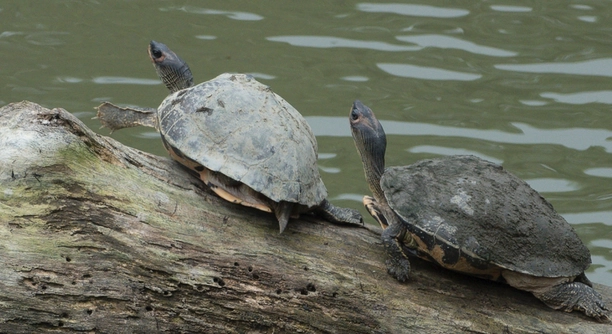
Do Indian Roofed Tortoises need UVB light for their well-being and health? Many new tortoise owners may wonder about the importance of UVB lighting in a tortoise’s environment. Understanding the role of UVB can be crucial for keeping your tortoise happy.
UVB lighting is essential for Indian Roofed Tortoises to synthesize vitamin D3, which helps them absorb calcium. Without UVB, they may develop serious health issues, such as metabolic bone disease. Proper lighting supports their overall health and growth.
Learning about UVB light will help you create a proper habitat for your tortoise, ensuring their well-being for years to come.
Why UVB Light is Important for Indian Roofed Tortoises
UVB light plays a crucial role in the health of Indian Roofed Tortoises. These tortoises, like many reptiles, rely on UVB rays to produce vitamin D3, which is essential for calcium absorption. Without UVB light, they cannot metabolize calcium properly, leading to potential issues like weak bones and deformities. In their natural habitat, these tortoises get UVB from the sun, but in captivity, it’s vital to provide artificial UVB light to mimic this exposure.
A lack of UVB can result in various health problems for your tortoise. Metabolic bone disease, for example, is a common condition in reptiles who don’t get enough UVB exposure. It causes their bones to weaken, making it difficult for them to move around and eat properly.
Providing UVB light is as important as providing the right diet and temperature. Ensure your tortoise gets proper exposure to UVB by using the right lighting setup. Over time, this can improve your tortoise’s overall health and help prevent serious complications.
How to Choose the Right UVB Light
Choosing the right UVB light is simple once you understand the basics. Not all UVB lights are the same, and some provide better coverage and intensity than others.
When selecting a UVB bulb for your Indian Roofed Tortoise, consider the type and wattage. It’s best to go for a bulb that specifically mentions UVB output and is designed for reptiles. Fluorescent UVB bulbs are popular for this purpose because they spread light evenly and are easy to use.
Make sure the light is positioned properly, allowing the tortoise to bask in it for the recommended amount of time each day. The light should be placed within a specific distance from your tortoise’s basking spot to ensure they’re getting the right intensity. Always read the manufacturer’s instructions for proper setup and placement to avoid any mistakes.
UVB Light Duration and Distance for Indian Roofed Tortoises
The ideal duration of UVB exposure for an Indian Roofed Tortoise is about 10 to 12 hours per day. This matches their natural environment, where they experience daily sunlight. It’s important to follow this time frame consistently for their health. Too little light can lead to vitamin D3 deficiencies.
When it comes to the distance, UVB bulbs should be placed 8 to 12 inches above the tortoise’s basking area. This ensures they get the right intensity without being too far from the light. If the light is too far, it won’t have the necessary impact on their vitamin D3 production.
Make sure you also replace UVB bulbs every 6 to 12 months, even if they still seem to be working. Over time, the UVB output decreases, and your tortoise might not be getting the benefits it needs. Keeping track of the bulb’s lifespan is key to maintaining their health.
Choosing the Right Lighting Setup
The right lighting setup is essential for providing your tortoise with the UVB they need. In addition to the UVB bulb, you’ll also want to provide a heat source to create a basking spot.
A combination of a UVB bulb and a heat lamp can provide both the warmth and light your tortoise needs. Ensure the temperature in the basking area is between 85-95°F (29-35°C), and the cool side of the enclosure is slightly cooler, around 75-80°F (24-27°C). This range helps regulate your tortoise’s body temperature.
Consider a fixture that can hold both bulbs securely and provide adequate coverage over the entire basking area. Your tortoise will benefit from a steady temperature gradient and enough UVB exposure to stay healthy.
Common Mistakes with UVB Lighting
A common mistake is placing the UVB bulb too far from your tortoise. If the distance is too great, your tortoise won’t get enough UVB exposure. Also, some owners forget to replace the bulb regularly, which can lead to inadequate UVB output.
Another mistake is using the wrong type of bulb. Not all UVB bulbs are suitable for reptiles. Make sure you select one designed specifically for tortoises and other reptiles, as regular bulbs won’t provide the necessary UVB rays.
Signs of UVB Deficiency in Indian Roofed Tortoises
If your tortoise isn’t getting enough UVB, it might show signs like lethargy, loss of appetite, or difficulty moving. Over time, the lack of proper UVB exposure can lead to shell deformities and softening. These are clear indications of vitamin D3 deficiency.
Providing proper UVB light helps prevent these health issues, ensuring that your tortoise grows and thrives.
Maintaining a Consistent Lighting Schedule
Consistency in lighting is essential for your tortoise’s health. It’s important to stick to a regular schedule with consistent light and dark cycles. This mimics their natural environment and helps regulate their internal clock. Without this, they may experience stress or behavioral issues.
FAQ
Do Indian Roofed Tortoises need UVB light all year round?
Yes, UVB light should be provided year-round. Even if the seasons change, indoor lighting needs to mimic the sunlight your tortoise would naturally receive. They need consistent UVB exposure every day, as their health depends on it. Without UVB light, they can suffer from calcium deficiency and other health issues, regardless of the time of year.
Can I use regular light bulbs instead of UVB bulbs?
No, regular light bulbs won’t provide the UVB rays that your tortoise needs. UVB light is specifically designed to help reptiles produce vitamin D3, which they cannot get from ordinary household light. It’s essential to use a bulb specifically designed for reptiles to ensure your tortoise’s health.
How do I know if my UVB bulb is still working?
UVB bulbs lose their effectiveness over time, even if they still light up. It’s recommended to replace UVB bulbs every 6 to 12 months. You can also purchase a UVB meter to measure the output, ensuring it’s still at the proper level. If your tortoise starts showing signs of UVB deficiency, it might be time for a replacement.
Can UVB light be harmful to my tortoise?
UVB light is not harmful when used correctly. However, prolonged exposure to UVB rays at high intensities can cause stress or burns. It’s important to place the bulb at the correct distance from your tortoise and ensure the light is not too intense. Always follow the manufacturer’s recommendations for safe usage.
What happens if my tortoise doesn’t get enough UVB light?
Without UVB light, your tortoise can develop a condition known as metabolic bone disease, which causes their bones to weaken. This can lead to deformities, difficulty moving, and other severe health problems. Lack of UVB can also result in poor shell growth and softening. It’s essential to ensure they get the proper UVB exposure.
How much UVB light does my tortoise need each day?
Indian Roofed Tortoises typically need 10 to 12 hours of UVB light per day. This mimics the natural sunlight cycle they would experience in the wild. Consistent exposure during the day helps your tortoise produce vitamin D3 and properly metabolize calcium. It’s best to maintain a regular light schedule to support their health.
Can I use a heat lamp with a UVB bulb?
Yes, using a heat lamp in combination with a UVB bulb is ideal for providing your tortoise with the warmth and light it needs. A heat lamp will create a basking area where your tortoise can regulate its body temperature, while the UVB bulb will allow them to produce vitamin D3. Be sure to keep the temperature in the basking area between 85-95°F (29-35°C).
Do I need a separate night light for my tortoise?
No, you don’t need a night light for your tortoise. Reptiles, including tortoises, need a regular day-night cycle to regulate their biological clock. At night, they should experience complete darkness to help them rest. Artificial night lights can disrupt their sleep cycle, so it’s best to let them have a dark period for proper rest.
What kind of UVB light is best for my tortoise?
A fluorescent UVB bulb is the most common and practical option for indoor tortoise setups. These bulbs provide an even distribution of UVB light, which is perfect for creating a basking area. You can also use compact fluorescent bulbs, but ensure they are strong enough for your tortoise’s enclosure size. Be sure to choose a bulb that is rated for reptiles.
Can UVB light be used to replace natural sunlight?
UVB light can mimic natural sunlight, but it’s not the exact same. While UVB bulbs are specifically designed to help reptiles produce vitamin D3, they don’t offer the full spectrum of sunlight. However, in an indoor setting, UVB bulbs are essential for providing the necessary UVB exposure your tortoise would get from the sun.
Should I be worried about UVB exposure if my tortoise spends time outside?
If your tortoise spends time outside during warm weather, natural sunlight will provide the UVB it needs. However, you should still be cautious about the amount of time your tortoise spends outdoors and ensure it has access to shade and shelter. When your tortoise is indoors, UVB lighting is still necessary to maintain their health.
Is a UVB meter necessary for monitoring UVB light?
While a UVB meter is not strictly necessary, it can be a helpful tool for ensuring your tortoise is receiving the proper amount of UVB. These meters measure the strength of UVB rays emitted by your bulb. If you’re unsure whether your UVB bulb is still working properly, using a meter will give you peace of mind.
Final Thoughts
Ensuring your Indian Roofed Tortoise gets the proper UVB light is essential for its overall health and well-being. UVB light helps them produce vitamin D3, which is necessary for calcium absorption. Without UVB exposure, your tortoise can develop serious health issues like metabolic bone disease. Therefore, it is crucial to provide a proper UVB light setup, especially if your tortoise spends most of its time indoors. Just like the right temperature, UVB lighting plays a critical role in their daily care routine.
Choosing the right UVB bulb and setting it up at the right distance is an important part of creating the perfect environment for your tortoise. You should aim to provide 10 to 12 hours of UVB light every day, closely mimicking the natural sunlight cycle. A good combination of UVB light and heat will allow your tortoise to bask properly and regulate its body temperature. Make sure to replace the UVB bulb every 6 to 12 months, as they lose their effectiveness over time. It’s essential to keep track of the light’s lifespan to avoid exposing your tortoise to inadequate UVB.
While setting up UVB lighting might seem like a lot of work, it’s a simple and effective way to ensure your tortoise stays healthy. Over time, you’ll get the hang of maintaining the right lighting schedule, and your tortoise will thank you with a long, healthy life. Keep in mind that UVB light is just one piece of the puzzle. A balanced diet, proper temperature, and regular care are all important to keeping your tortoise happy and thriving. With the right care, your Indian Roofed Tortoise will live a healthy, fulfilling life in your home.

Hello,
If you enjoy the content that we create, please consider saying a "Thank You!" by leaving a tip.
Every little bit helps us continue crafting quality advice that supports the health, happiness, and well-being of pets around the world, for pets of all shapes, sizes, and species.
We really appreciate the kindness and support that you show us!