
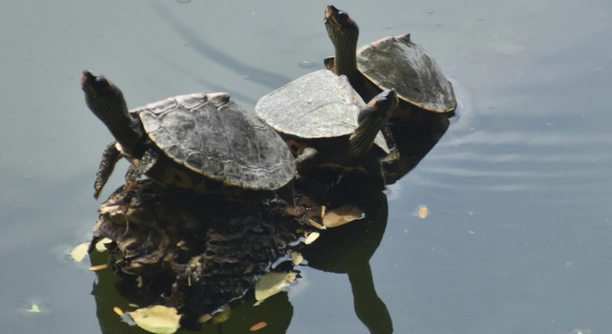
Indian Roofed Tortoises are fascinating creatures, but when it comes to their care, many owners wonder if a heat lamp is necessary for their well-being. Understanding their environment is crucial to ensuring they live a long, healthy life.
Indian Roofed Tortoises do not necessarily need a heat lamp if they are kept in a warm, natural environment with temperatures ranging from 85°F to 95°F. However, providing supplemental heat during colder months may be beneficial for their overall health.
A few key factors can help you create the ideal habitat for your tortoise. Let’s break down how heat lamps play a role in ensuring your pet’s comfort and well-being.
The Importance of Temperature for Indian Roofed Tortoises
The Indian Roofed Tortoise thrives in warm, consistent temperatures. They come from regions with tropical climates, so providing the right warmth is essential for their health. A heat lamp is one way to ensure they stay within the right temperature range. These tortoises need a basking spot where the temperature reaches about 90°F to 95°F, mimicking the warmth of the sun. Without proper warmth, they may become sluggish, stop eating, and experience health problems over time. While natural sunlight is ideal, heat lamps can help provide consistent warmth, especially when natural sunlight isn’t available indoors.
In the wild, Indian Roofed Tortoises are exposed to natural heat throughout the day. When kept as pets, owners need to replicate these conditions. A heat lamp can help ensure that their bodies function properly, allowing them to digest food and maintain their metabolism. Without sufficient heat, your tortoise’s health can quickly decline, as it is directly tied to their ability to regulate body temperature.
The right heat lamp setup should provide a basking area with a temperature of 90°F to 95°F and a cooler area that stays at around 75°F. This helps your tortoise regulate its body temperature by moving between the warm and cooler areas. An infrared bulb or ceramic heat emitter can work well for this purpose, as they provide heat without light. It’s important to monitor the temperatures regularly with a thermometer to ensure your tortoise is comfortable. Without this controlled environment, your tortoise may face issues such as dehydration, respiratory infections, or metabolic bone disease due to lack of heat.
Alternatives to Heat Lamps
While heat lamps are useful, they’re not the only option. You can also use ceramic heaters, which provide heat without light, mimicking the natural warmth your tortoise would experience in the wild.
For a more natural setup, ensure your tortoise has access to a heated enclosure or basking rock. Both options help maintain proper warmth throughout the day, making it easier for your tortoise to stay healthy and active.
Why Indian Roofed Tortoises May Not Always Need a Heat Lamp
In some cases, Indian Roofed Tortoises do not require a heat lamp if they live in a consistently warm environment. If the temperature in their habitat stays within the ideal range, they can do just fine without artificial heat sources.
If your tortoise is outdoors in a naturally warm climate, it will likely have access to the sun and the right temperatures. However, for indoor setups, it can be tricky. If the room temperature is not warm enough, a heat lamp or alternative heating source can be vital. Monitoring their habitat temperature regularly will ensure your tortoise stays healthy and active. A consistent environment reduces the stress that fluctuating temperatures can cause.
In areas where the temperature drops, providing a heat lamp is essential during colder months. Even if your home stays warm enough during the day, temperatures at night can often fall below what’s ideal for your tortoise. In these cases, a heat lamp or ceramic heater can be used to maintain the necessary warmth during the night. It’s important not to let temperatures drop too low, as tortoises can suffer from digestive problems and a weakened immune system if they get too cold.
How to Set Up the Ideal Environment
When setting up your tortoise’s habitat, make sure to provide both a warm basking area and a cooler area. This helps your tortoise regulate its body temperature. The basking area should be between 90°F and 95°F, while the cooler side should stay around 75°F.
Adding a hide to the cooler area gives your tortoise a place to retreat when it gets too warm. Also, ensure there is plenty of space for your tortoise to roam and explore. A large enough enclosure will help them feel comfortable and reduce stress. Remember that Indian Roofed Tortoises need to move around to stay active and healthy, so keeping their space spacious and enriched is essential for their well-being.
Heat Lamps vs. Other Heating Methods
While heat lamps are common, other methods like ceramic heaters or under-tank heaters can work just as well. Both offer a steady heat source without emitting light, which is better for maintaining a consistent day-night cycle for your tortoise.
Ceramic heaters are a great option if you want heat without light. They emit infrared heat, which warms the air and surfaces in your tortoise’s enclosure. This keeps the environment comfortable and avoids disturbing their sleep cycle. Unlike heat lamps, ceramic heaters do not produce light, ensuring that your tortoise has a natural day and night rhythm.
Monitoring Temperature
Monitoring your tortoise’s environment is crucial for ensuring it stays within the proper temperature range. Use reliable thermometers to check both the basking area and the cooler zone. This helps you adjust the heat if necessary.
Regular checks will prevent overheating or the environment becoming too cold, both of which can be harmful to your tortoise’s health. Keeping track of temperature changes, especially at night, ensures your tortoise’s habitat remains comfortable.
FAQ
Do Indian Roofed Tortoises need a heat lamp year-round?
Indian Roofed Tortoises don’t always need a heat lamp year-round if they’re kept in a warm environment with consistent temperatures. However, during colder months or in places with fluctuating indoor temperatures, a heat lamp can help maintain the ideal temperature. If your tortoise lives indoors, it’s good to use a heat lamp during winter when the room temperature may drop too low.
Can I use a regular bulb instead of a heat lamp?
No, regular bulbs do not provide the necessary heat. Regular bulbs are meant to provide light, not heat, and won’t raise the temperature in your tortoise’s enclosure enough. A heat lamp or ceramic heater is needed to create a warm basking area for your tortoise. If you use a regular bulb, your tortoise won’t get the warmth it needs, which can lead to health problems over time.
What is the ideal temperature for an Indian Roofed Tortoise?
The ideal temperature for an Indian Roofed Tortoise is between 85°F and 95°F during the day. The basking area should be around 90°F to 95°F, and the cooler side of the enclosure should stay at 75°F. At night, the temperature should not drop below 70°F. Maintaining these temperatures helps your tortoise stay active, digest food properly, and avoid stress.
How do I know if my tortoise is too hot or too cold?
If your tortoise is too hot, it may become lethargic or try to move away from the heat source. On the other hand, if it’s too cold, your tortoise may stop eating, become inactive, or try to burrow into the substrate for warmth. If these signs occur, it’s important to adjust the temperature. Always use a thermometer to monitor the temperature in the basking area and cooler zones to avoid extremes.
Can I use a heating pad for my tortoise?
A heating pad can be useful for providing warmth to the underside of your tortoise, but it should be used with caution. Heating pads can be placed under the enclosure to maintain ambient warmth, but they don’t provide enough heat for basking. A heat lamp or ceramic heater is better for creating a basking spot. If you do use a heating pad, make sure it’s not too hot and monitor your tortoise’s response.
Do Indian Roofed Tortoises need UVB light?
Yes, Indian Roofed Tortoises require UVB light to help them process calcium and prevent metabolic bone disease. UVB light is essential for their overall health, and it helps them absorb vitamin D3, which is necessary for strong bones and a healthy immune system. A UVB light should be placed in the basking area and should be replaced every 6 months, as UVB output diminishes over time.
How often should I check the temperature in my tortoise’s enclosure?
It’s best to check the temperature in your tortoise’s enclosure at least twice a day. This ensures that the heat lamp or heating method is providing consistent warmth. Regular checks also help you adjust the temperature if needed, especially during the evening or early morning when the temperature can fluctuate. Keeping track of temperatures can help prevent health issues related to incorrect heating.
Can I use a heat lamp in an outdoor enclosure?
If your tortoise is housed in an outdoor enclosure, a heat lamp is generally not necessary during warmer months, as natural sunlight provides enough heat. However, during colder weather, a heat lamp can help maintain the right temperature, especially at night. Be sure to monitor the weather and adjust the heating accordingly to ensure your tortoise stays comfortable.
What kind of heat lamp is best for an Indian Roofed Tortoise?
The best heat lamps for Indian Roofed Tortoises are those that provide infrared heat. These can be either incandescent heat bulbs or ceramic heat emitters. Both types offer warmth without light. Ceramic heat emitters are often preferred because they emit no light, allowing your tortoise to maintain a natural day-night cycle. Make sure the heat lamp is placed in the basking area and monitored regularly with a thermometer.
Can I use a heat lamp for a baby tortoise?
Yes, baby tortoises need a heat lamp just like adult tortoises. In fact, it’s even more important for babies because they are more vulnerable to temperature fluctuations. Keep the basking area between 90°F and 95°F for baby tortoises. Additionally, ensure that they have access to a cooler area to regulate their body temperature as needed. Always monitor the temperatures closely, as young tortoises can suffer from health issues if not kept in the right environment.
How do I know if my heat lamp is providing enough heat?
To ensure your heat lamp is providing enough heat, use a reliable thermometer to measure the temperature in the basking area. The ideal temperature should be between 90°F and 95°F. If the temperature is too low, the lamp might not be powerful enough, or it may need to be repositioned. If the temperature is too high, it could stress your tortoise. Always adjust the lamp’s distance from the enclosure or switch to a higher-wattage bulb if necessary.
Final Thoughts
When caring for an Indian Roofed Tortoise, ensuring the proper temperature is one of the most important aspects of their environment. Heat is crucial for their metabolism, digestion, and overall health. While heat lamps are a popular choice to maintain the right warmth, they are not always necessary if your tortoise is kept in a warm and stable environment. Natural sunlight is ideal for providing the warmth your tortoise needs, but in indoor setups or colder months, a heat lamp can be a useful tool to replicate these conditions.
It’s essential to consider both the basking area and the cooler zone in your tortoise’s enclosure. The basking spot should have a temperature of 90°F to 95°F, while the cooler side can stay around 75°F. This allows your tortoise to regulate its body temperature by moving between these areas. Along with a heat source, providing UVB lighting is necessary for their health, as it helps them absorb vitamin D and process calcium. Regularly monitoring temperatures with a thermometer is key to keeping the environment just right, as temperature fluctuations can lead to health issues like dehydration, digestive problems, or metabolic bone disease.
Ultimately, the decision to use a heat lamp or other heating method depends on the temperature of the area where your tortoise is kept. If the environment is warm enough, a heat lamp might not be necessary year-round. However, during colder weather or in areas with fluctuating temperatures, a heat lamp can help maintain a stable and comfortable environment. Providing a healthy habitat with the right heat and lighting is the key to ensuring your Indian Roofed Tortoise thrives for years to come.

Hello,
If you enjoy the content that we create, please consider saying a "Thank You!" by leaving a tip.
Every little bit helps us continue crafting quality advice that supports the health, happiness, and well-being of pets around the world, for pets of all shapes, sizes, and species.
We really appreciate the kindness and support that you show us!