
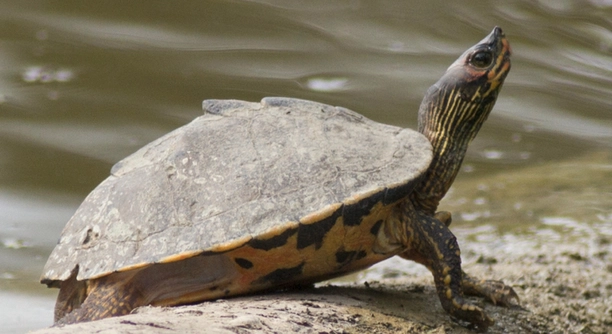
Indian Roofed Tortoises are fascinating creatures that many people keep as pets. Their behavior is often a topic of interest, especially when it comes to whether they can bite.
Indian Roofed Tortoises, like many other tortoises, have the ability to bite if they feel threatened or provoked. However, their bites are generally not harmful to humans and are more of a defensive reaction.
Understanding the circumstances under which these tortoises might bite can help you handle them more safely. Proper care and gentle handling can prevent any biting behavior.
Do Indian Roofed Tortoises Bite People?
Indian Roofed Tortoises are generally calm and not aggressive, but they are capable of biting if they feel threatened. Their bites are not very painful, but they can still cause minor discomfort or injury. These tortoises tend to be shy creatures and are more likely to retreat into their shells when scared. If they do bite, it is usually a defensive response. Knowing how to interact with them properly can minimize the risk of being bitten. Avoid sudden movements, handle them gently, and allow them to feel safe in their environment.
While Indian Roofed Tortoises are not typically bite-prone, they may react out of stress. It’s essential to create a peaceful, secure habitat for them, which reduces anxiety and encourages calm behavior.
To ensure safe handling, avoid touching their face or tail. These areas are more sensitive and could provoke a defensive response. It’s also important not to force them into unfamiliar or stressful situations. Their instinct to bite is often a reaction to stress or fear, and maintaining a calm environment helps to prevent this behavior. Understanding their body language is key—if they pull their head into their shell, they are likely feeling threatened.
When Do Indian Roofed Tortoises Bite?
Tortoises bite mainly when they feel cornered or startled. Sometimes, even if they’re not in immediate danger, they may bite out of curiosity or simply because they’re not used to being handled.
Indian Roofed Tortoises are territorial and will use their mouths to defend themselves if they feel unsafe. If another animal invades their space, or if they are mishandled by a human, they may try to bite as a warning. It’s important to be aware of their behavior and not to push them into stressful situations. When they bite, it is usually not an attack but a way to defend themselves from what they perceive as a threat. Recognizing their comfort zones and respecting their space can help avoid bites altogether.
Handling a tortoise too roughly can also lead to biting. It’s essential to be patient and calm. Over time, your tortoise will learn to trust you, and the risk of biting will decrease. The key is understanding their nature and being gentle during interactions.
How to Prevent Indian Roofed Tortoises from Biting
To prevent an Indian Roofed Tortoise from biting, always approach them calmly. Sudden movements may startle them, prompting a bite. Ensure their environment feels safe and secure, which reduces their stress and anxiety levels. Proper care, like providing a quiet and spacious enclosure, can help avoid such situations.
Handling them with care is essential. When you pick up your tortoise, do so gently, supporting their body firmly. Never grab them by their shell or tail. If the tortoise pulls its head into its shell, respect that and give it time to relax. Understanding their body language is key to preventing bites.
Another important factor is keeping them well-fed and hydrated. A well-fed tortoise is less likely to become stressed or defensive. Regularly clean their living space and avoid overcrowding, as these can lead to frustration. Taking these steps will help your tortoise feel comfortable and prevent bites in the long run.
Do Indian Roofed Tortoises Bite Hard?
Indian Roofed Tortoises do not typically bite hard enough to cause serious harm. Their bites are more of a warning or defensive reaction. While not dangerous, the pressure from their jaws can still be enough to cause discomfort or a minor bruise. However, these bites rarely result in anything more serious.
Their bite strength depends on the size and health of the tortoise. Though the bite itself isn’t particularly painful, it can still be alarming if unexpected. Tortoises have sharp beaks, and the suddenness of a bite can cause momentary discomfort. It’s best to avoid placing your hand near their mouth if you are unsure of how they might react.
Generally, if you maintain a calm and respectful relationship with your tortoise, the likelihood of experiencing a hard bite is low. Regular handling, proper care, and a calm environment will reduce stress and lower the chances of any biting behavior.
Are Indian Roofed Tortoises Dangerous?
Indian Roofed Tortoises are not dangerous. They are generally calm creatures, more likely to withdraw into their shells than to pose any threat. Their bites are harmless and usually just a sign of stress or fear, not aggression.
These tortoises have no venom or strong physical defense mechanisms. They rely on their shells for protection and tend to avoid confrontations. While they can bite, it’s typically a last resort when they feel threatened or provoked. If treated gently and respectfully, they are unlikely to act aggressively.
Can Indian Roofed Tortoises Be Handled Regularly?
Indian Roofed Tortoises can be handled regularly, but it’s essential to do so in a calm and gentle manner. Handling them too roughly or too often can cause stress, which may lead to biting or other defensive behaviors.
It’s important to keep handling sessions short and allow your tortoise to roam freely in their habitat when not interacting with them. Tortoises need time to themselves to rest and feel secure. Regular but gentle handling builds trust, allowing your tortoise to become more accustomed to human presence without feeling threatened.
Indian Roofed Tortoises and Their Behavior
Indian Roofed Tortoises are generally shy and enjoy spending time alone. They are not overly social but can form bonds with their owners over time. These tortoises will often seek out a quiet spot to rest during the day.
They tend to show interest in their environment by exploring or grazing. If they feel safe, they may become more curious and interactive with their keeper. Patience and consistent, calm handling help establish a positive relationship with them. Over time, your tortoise may even approach you willingly, recognizing you as a source of food or safety.
FAQ
Do Indian Roofed Tortoises bite humans?
Yes, Indian Roofed Tortoises can bite humans, but it is not a common behavior. Biting usually occurs when they feel threatened, cornered, or provoked. The bite is not dangerous but can cause discomfort, especially if they’re startled or mishandled. Most of the time, these tortoises prefer to withdraw into their shells rather than engage in aggressive behavior.
How can I prevent my Indian Roofed Tortoise from biting me?
To prevent bites, approach your tortoise gently and calmly. Sudden movements or rough handling can stress them out and lead to defensive bites. Always handle them with care, supporting their body evenly, and avoid touching their face or tail. Keeping their environment safe and comfortable also plays a crucial role in reducing stress, which can prevent biting.
What should I do if my Indian Roofed Tortoise bites me?
If your Indian Roofed Tortoise bites you, remain calm. Gently remove your hand and give the tortoise space. Clean the bite area with soap and water to avoid infection, but bites are typically minor and heal quickly. It’s important to reflect on the situation to understand why the tortoise bit you, so you can avoid it in the future.
Are Indian Roofed Tortoises aggressive?
Indian Roofed Tortoises are not aggressive by nature. They are more likely to retreat into their shells when they feel threatened. Aggression can occur if they feel cornered or scared, but this is rare. With proper care and handling, they usually show a calm and peaceful demeanor.
How often should I handle my Indian Roofed Tortoise?
It’s best to handle your Indian Roofed Tortoise occasionally, not daily. Over-handling can cause stress. Limit handling to a few times a week, and always be gentle. Let your tortoise have plenty of time to roam and explore its environment without being disturbed. Handling them too often can lead to defensive behavior, including biting.
Can Indian Roofed Tortoises recognize their owners?
Yes, Indian Roofed Tortoises can recognize their owners. Over time, they may associate you with food, safety, and positive experiences. They can become familiar with your scent and voice. While they are not as social as some pets, they can form a bond with you through consistent and calm interaction.
What are the signs that my Indian Roofed Tortoise feels threatened?
Signs of stress or fear in Indian Roofed Tortoises include pulling their head and limbs into their shell, trying to hide, or becoming defensive. If they feel cornered, they may bite in an attempt to defend themselves. To avoid this, make sure to give them space and allow them to retreat to a safe spot.
Are Indian Roofed Tortoises good pets for beginners?
Indian Roofed Tortoises can be good pets for beginners as long as you are committed to their care. They are low-maintenance but require a proper habitat and a balanced diet. They are not overly demanding, but they do need a quiet, secure environment. Make sure you have the time and knowledge to meet their basic needs.
What do I do if my Indian Roofed Tortoise becomes stressed?
If your tortoise shows signs of stress, such as hiding or biting, assess its environment. Make sure the habitat is quiet, spacious, and comfortable. Stress can also come from improper diet or handling, so be sure to avoid disturbing them too often. If stress continues, consulting a vet experienced with reptiles may be necessary.
Can I keep multiple Indian Roofed Tortoises together?
It’s not always recommended to house multiple Indian Roofed Tortoises in the same enclosure, as they can be territorial. If you do decide to keep more than one, ensure the enclosure is large enough to provide each tortoise with its own space. Be ready to separate them if signs of aggression or stress appear.
Do Indian Roofed Tortoises need a special diet?
Indian Roofed Tortoises require a diet high in fiber. Offer them a variety of leafy greens, vegetables, and occasionally fruit. Avoid feeding them high-protein foods, as this can lead to health issues. Make sure they have access to fresh water at all times, and always remove uneaten food to prevent spoilage.
How do I care for my Indian Roofed Tortoise’s shell?
To keep your tortoise’s shell healthy, ensure it has access to proper UVB lighting and a balanced diet. Their shell should be clean and free from debris. If the shell becomes dirty, gently clean it with a soft brush and warm water. Regularly check for any signs of injury or illness, as their shells are sensitive.
What is the lifespan of an Indian Roofed Tortoise?
Indian Roofed Tortoises can live a long time, with an average lifespan of 30 to 50 years in captivity when provided with proper care. It’s important to commit to their long-term needs, including a proper diet, a safe environment, and regular check-ups. With proper attention, they can be lifelong companions.
Do Indian Roofed Tortoises need a lot of space?
Yes, Indian Roofed Tortoises need a spacious enclosure to thrive. A small cage will stress them out and lead to poor health. A large, secure outdoor enclosure with plenty of room to roam is ideal. If kept indoors, they still need a space that allows for movement and exploration.
Can I take my Indian Roofed Tortoise outside?
You can take your Indian Roofed Tortoise outside as long as you supervise them and ensure the environment is safe. They enjoy basking in the sun and exploring natural surroundings. However, make sure there are no predators nearby, and always keep an eye on them. Avoid exposing them to extreme weather.
How do I know if my Indian Roofed Tortoise is healthy?
A healthy Indian Roofed Tortoise should have clear eyes, a clean shell, and be active. They should be eating well, drinking water regularly, and showing normal behavior. If your tortoise seems lethargic, refuses food, or has abnormal shell growth, it may be a sign of illness. Consult a vet if you’re concerned about its health.
Final Thoughts
Indian Roofed Tortoises are relatively calm creatures and are not typically known for being aggressive. They may bite if they feel threatened or startled, but this behavior is not common. Most bites are a defensive reaction rather than an attack. Their bites are generally mild and not harmful, but they can still cause minor discomfort. By understanding their body language and handling them gently, you can greatly reduce the chances of being bitten. With patience and respect, these tortoises can be manageable and enjoyable pets for those who are ready to care for them properly.
If you are considering keeping an Indian Roofed Tortoise as a pet, it’s important to remember that they require a quiet, secure environment. Stress is a big factor that can lead to biting and other undesirable behaviors. Providing them with a spacious enclosure, a proper diet, and a stable routine can help keep them happy and healthy. They are not high-maintenance pets but do require commitment in terms of space, care, and attention to their needs. Regular, gentle handling will help them feel more comfortable with human interaction.
Indian Roofed Tortoises can live for several decades, so it’s essential to think long-term when adopting one. As long as you meet their basic needs and create a safe, calm environment, these tortoises can become a wonderful addition to your household. They may not be the most interactive pets, but with time, they can learn to recognize their owners and even show curiosity. By respecting their boundaries and understanding their behavior, you can enjoy the company of a healthy and content tortoise.

Hello,
If you enjoy the content that we create, please consider saying a "Thank You!" by leaving a tip.
Every little bit helps us continue crafting quality advice that supports the health, happiness, and well-being of pets around the world, for pets of all shapes, sizes, and species.
We really appreciate the kindness and support that you show us!