
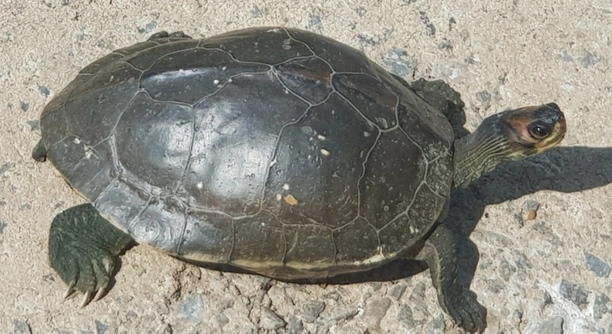
Indian Roofed Tortoises are a fascinating species, often seen basking in the sun. However, many wonder about their hibernation habits, as reptiles are known for their seasonal behavior. Understanding their needs can make caring for them easier.
Indian Roofed Tortoises do not hibernate in the traditional sense. Unlike some reptiles, they enter a period of dormancy, typically during the colder months, but this is not true hibernation. They remain active in warmer conditions.
Understanding their dormancy helps in providing the right care, ensuring these tortoises stay healthy and comfortable throughout the year.
What Happens During Dormancy?
During colder months, Indian Roofed Tortoises may slow down, reducing their activity levels significantly. This dormancy is not the same as hibernation, where animals completely shut down. Instead, they enter a state where their metabolic rate drops. This means they won’t be as active but will still wake up periodically. The dormancy typically happens when the temperature drops, and the tortoise’s natural instincts tell it to rest more. While in this state, they don’t need as much food. However, they still require a safe environment to stay warm enough to stay comfortable. Too much cold can harm them, so maintaining a temperature range of 75 to 85°F is key.
Dormancy can last anywhere from a few weeks to several months. However, this period should not be mistaken for hibernation. Indian Roofed Tortoises will still drink water and may occasionally move around.
It’s important to maintain proper conditions so they don’t go into a deeper, unhealthy dormancy. If temperatures are too low, they can become lethargic, and their immune systems might weaken. Providing heat lamps or UVB light sources can help simulate the conditions they need to stay active and safe.
Temperature’s Role in Dormancy
Proper temperature regulation is crucial for Indian Roofed Tortoises to avoid health complications during dormancy. Without adequate warmth, their systems could be compromised.
If the temperature drops too low, the tortoise’s metabolism slows down drastically, and they may not have enough energy to stay alert. It’s important to ensure that they have access to warmth when needed.
Signs That Your Tortoise Is Entering Dormancy
Indian Roofed Tortoises begin to show signs of dormancy when their activity levels decrease. They will spend more time in their shell, resting, and might avoid food for a while. You may notice they become less responsive to their surroundings.
These changes in behavior indicate that your tortoise is preparing for dormancy. Their eating habits slow down, and they may even ignore food entirely. It’s a natural process, but it’s important to keep an eye on them. If they stop eating for long periods, it might be a sign of something else, like illness. Regularly checking for dehydration is essential, as they can still drink water during this time.
As your tortoise enters dormancy, it’s helpful to monitor the temperature and humidity. Ensuring that they have access to a warm, humid area can support their natural cycle. Keep their habitat at a stable temperature range to avoid any drastic changes. This will help prevent unnecessary stress or health risks.
Managing Tortoise Dormancy
Managing dormancy is about balancing temperature and hydration. Ensuring your Indian Roofed Tortoise remains warm, but not too hot, will help it through the process. If the habitat is too cold, they may become overly sluggish or fall into an unhealthy state.
Providing a warm area with a heat source like a basking lamp can help regulate their body temperature. A consistent, gentle warmth ensures the tortoise stays comfortable without overexerting itself. Too much heat can lead to overheating, so always monitor the temperature. Humidity is also important for their overall well-being during dormancy.
How to Prepare Your Tortoise for Dormancy
Before your Indian Roofed Tortoise enters dormancy, make sure its living environment is ready. Clean the enclosure thoroughly, remove any uneaten food, and check the humidity levels. A fresh environment ensures a safe start to dormancy.
Ensure the habitat is free from drafts. Setting up a reliable heat source, such as a heat lamp or a ceramic heater, will help maintain the right temperature for dormancy. Proper humidity will also make a significant difference in keeping the tortoise comfortable and safe.
When Dormancy Becomes a Concern
While dormancy is natural, extended periods without eating or drinking can cause problems. If your tortoise doesn’t show signs of improvement after several weeks, it may be time to seek professional advice. A vet visit can rule out health concerns.
Make sure the temperature and humidity remain consistent.
FAQ
Do Indian Roofed Tortoises Hibernate?
No, Indian Roofed Tortoises do not hibernate. Instead, they enter a state of dormancy when the weather gets cold. During this time, they become less active and their metabolism slows down. However, unlike hibernation, they do not fully shut down. They may still drink water and wake up occasionally. Dormancy is a natural behavior during colder months.
How long does dormancy last for Indian Roofed Tortoises?
Dormancy for Indian Roofed Tortoises can last anywhere from a few weeks to several months. The exact duration depends on the temperature and environment. In colder conditions, dormancy may last longer. If the temperature remains warm, they might stay active instead of entering dormancy. It’s important to monitor their condition throughout this time.
What temperature should I keep my tortoise during dormancy?
To keep your Indian Roofed Tortoise safe during dormancy, you should maintain a temperature range between 75°F to 85°F (24°C to 29°C). Avoid letting the temperature drop too low, as this can cause health issues. A steady temperature helps them remain comfortable while they rest.
Do I need to feed my tortoise during dormancy?
No, Indian Roofed Tortoises typically reduce their food intake during dormancy. Their metabolism slows down, and they don’t require as much food. They may stop eating entirely, but this is normal. Make sure they have access to fresh water, as hydration is still important.
Can I wake up my tortoise from dormancy?
It’s not recommended to wake your tortoise from dormancy unless there is an issue, such as illness or dehydration. Waking them up too early can cause stress. If you notice any unusual behavior, it’s best to consult a vet before taking action. Allow your tortoise to complete its natural rest cycle.
What are the signs that my tortoise is too cold?
If your Indian Roofed Tortoise is too cold, it will become very sluggish and inactive. They may also retreat deeper into their shell. You might notice that they are not drinking water or eating. In severe cases, a cold tortoise can become lethargic, and their immune system could weaken. Keep an eye on the temperature and make adjustments as needed.
Can I use a heat lamp during dormancy?
Yes, a heat lamp can help maintain the proper temperature for your tortoise. Make sure it provides a gentle, consistent heat source. Do not make the enclosure too hot, as it can disrupt the dormancy cycle. Ensure the heat lamp is placed at a safe distance to avoid overheating.
Is humidity important for Indian Roofed Tortoises during dormancy?
Yes, humidity is crucial during dormancy. It helps maintain the tortoise’s health and prevents dehydration. Ensure that the humidity in the enclosure stays around 50% to 60%. You can achieve this by using a humidity gauge and adjusting the habitat accordingly. Keeping the environment properly humid helps the tortoise rest comfortably.
Should I clean the tortoise’s habitat before dormancy?
Yes, cleaning the tortoise’s habitat before dormancy is important. Remove any uneaten food, waste, and old bedding. A clean environment reduces the risk of bacteria growth and promotes a healthier resting period. Check the substrate and replace it if necessary. This will ensure that your tortoise has a fresh and safe place to rest during dormancy.
What should I do if my tortoise doesn’t wake up from dormancy?
If your tortoise doesn’t wake up from dormancy after an extended period, this could be a sign of a health issue. Check the temperature and humidity levels to ensure they are within the correct range. If there are no signs of improvement, it’s time to take your tortoise to a vet for a thorough checkup.
Can Indian Roofed Tortoises be kept outside during dormancy?
Indian Roofed Tortoises can be kept outside during dormancy, but only if the weather conditions are right. The temperature should stay within a safe range (75°F to 85°F), and the humidity should be kept steady. If it gets too cold, they should be brought indoors to a warmer, controlled environment to avoid health issues.
How can I tell if my tortoise is sick instead of just dormant?
Signs of illness in a tortoise include lethargy that lasts too long, refusal to drink water, or noticeable weight loss. If your tortoise is unusually weak, has discharge from the nose or eyes, or if its shell appears soft or damaged, it’s best to seek veterinary care. Dormant tortoises might show less activity, but they should still be drinking water and occasionally moving around.
Should I give my tortoise extra food before dormancy?
Providing extra food before dormancy is not necessary. Indian Roofed Tortoises will naturally reduce their food intake as they prepare for dormancy. Overfeeding them in an attempt to “stock up” is not recommended and could lead to digestive problems. Instead, focus on ensuring they are well-hydrated and their living environment is in good condition.
Can dormancy affect my tortoise’s lifespan?
Dormancy itself does not negatively impact the lifespan of an Indian Roofed Tortoise as long as they are kept in proper conditions. However, prolonged periods of improper temperature or humidity, or not providing proper care during dormancy, could harm their health. Ensuring that they go through dormancy safely will contribute to their long-term well-being.
Is it safe to let my tortoise hibernate in the wild?
Indian Roofed Tortoises are not typically left to hibernate in the wild due to their need for specific environmental conditions. In the wild, they would have access to natural heat and humidity, but captivity requires careful control of these factors. It is safer to keep them in a controlled environment to monitor their health.
Final Thoughts
Indian Roofed Tortoises do not hibernate, but they do enter a state of dormancy during colder months. This dormancy is a natural response to cooler temperatures, where their activity levels drop, and their metabolism slows down. While they may seem inactive, they are not completely shut down like hibernating animals. They still need some care, even during dormancy, to ensure they stay healthy. Monitoring the temperature, humidity, and hydration levels is crucial to keeping them comfortable.
Managing dormancy for these tortoises requires providing a warm and stable environment. The right temperature range of 75°F to 85°F (24°C to 29°C) is necessary for them to rest safely. Too cold or too hot an environment can cause stress and health issues. During dormancy, they don’t need as much food, but they should always have access to water. A heat lamp or other heating source can help maintain the right conditions, but it’s important not to overheat the enclosure.
Overall, Indian Roofed Tortoises are resilient creatures that can thrive in dormancy when cared for properly. Understanding their natural behaviors and providing the right environment can help ensure their well-being. If you notice any unusual signs, such as lethargy beyond dormancy or refusal to drink water, it may be time to consult a vet. With proper care, your tortoise can rest during the colder months and remain healthy in the long run.

Hello,
If you enjoy the content that we create, please consider saying a "Thank You!" by leaving a tip.
Every little bit helps us continue crafting quality advice that supports the health, happiness, and well-being of pets around the world, for pets of all shapes, sizes, and species.
We really appreciate the kindness and support that you show us!