
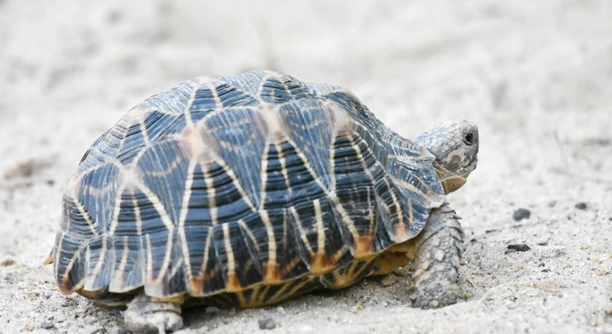
Keeping a turtle as a pet can be rewarding, but ensuring their environment is healthy and safe requires some care. There are several things that should never be put in their tank, as they can cause harm or stress.
Turtles are sensitive to their environment, and certain items can negatively impact their health. Avoid putting things like toxic plants, metal objects, or harmful chemicals in their tank. These can lead to infections, injuries, or poisoning.
By understanding which items to avoid, you can create a safer and more comfortable habitat for your turtle. This article will cover the key things to keep out of their tank for optimal health.
Toxic Plants
Turtles are known for grazing on plants, but not all plants are safe for them. Some plants, such as lilies and ivy, are toxic to turtles. Ingesting these can cause severe health problems, from digestive issues to organ damage. It’s important to only place safe, non-toxic plants in their tank. For example, aquatic plants like anacharis or duckweed can be good options. These plants not only enhance the tank’s appearance but also provide hiding spots and food for your turtle.
Avoiding harmful plants is key to keeping your turtle happy and healthy. Research which plants are safe for aquatic pets before adding any to their tank.
Always check your plants to ensure they’re turtle-friendly. While most pet stores provide safe options, some may carry toxic varieties. Research and careful selection can prevent accidents that may impact your turtle’s well-being.
Metal Objects
You may not think of metal objects as a threat to turtles, but they can be dangerous. Sharp metals like nails or pins can cause serious injury to your turtle. Even rusted or corroded metal can release harmful chemicals into the water, contaminating their environment. Turtles are particularly sensitive to changes in water chemistry, so introducing anything that could alter it should be avoided.
Adding decorations or structures to your turtle’s tank should focus on safety. Use only smooth, non-toxic materials like rocks or ceramic, which are safe for both the turtle and the water. It’s a simple step that helps prevent long-term health problems for your pet.
Ensure every item in the tank is secure and free from sharp edges or rust. Keeping the tank simple and safe promotes your turtle’s comfort and health.
Chemicals and Cleaning Products
Using chemicals or cleaning products in a turtle tank is a big mistake. Even small traces of bleach, ammonia, or other household cleaners can harm your turtle. These substances disrupt the water’s balance, making it dangerous for your pet. Always clean the tank with plain water and avoid any products that could leave behind harmful residues.
Turtles are sensitive to water quality, and harsh chemicals can lead to skin irritation or respiratory problems. It’s best to avoid any cleaners with strong scents or chemicals that might seep into the water. A well-maintained tank should only require a light scrub with water and a soft cloth.
You should also be cautious with any water additives, like chlorine removers or algaecides. Some may contain ingredients that are toxic to turtles. If you’re uncertain, it’s always safer to choose products specifically designed for turtle tanks. Keeping your turtle’s environment clean with natural methods promotes its health and longevity.
Substrates Like Sand or Gravel
Certain substrates, like sand or gravel, might seem like a good choice for decorating your turtle’s tank. However, they can cause problems if swallowed. Turtles are known to sometimes eat their substrate, and this can lead to digestive blockages. The best option is to use a soft, smooth substrate like aquatic soil or a bare-bottom tank to ensure your turtle’s safety.
Even if your turtle doesn’t seem interested in eating the substrate, it can still pose a risk to their digestive system. If your turtle ingests sand or gravel, it can lead to impaction, which may require surgery. It’s best to avoid any rough or coarse material that could be ingested accidentally.
Substrates also affect the water quality in the tank. Sand and gravel can trap waste and debris, leading to poor water quality. When choosing a substrate, always keep your turtle’s health in mind and opt for the safest, easiest-to-clean options.
Artificial Decorations
Artificial decorations often look great, but they can be a hazard for turtles. Items like plastic plants or ornaments can have sharp edges that may cause cuts or scratches. These injuries can lead to infections, making them harder to treat in a turtle’s aquatic environment.
Choosing decorations made from natural materials like smooth rocks or ceramic is safer for your turtle. These items are less likely to harm them and still offer hiding spots or climbing opportunities. Always inspect decorations carefully for rough edges or small parts that could break off and pose a choking risk.
Lighting and Heat Sources
Turtles need proper lighting and heating to thrive. Exposing them to light that is too harsh or heat sources that are too intense can cause stress and health problems. Make sure your tank has the right UVB light for their shell health and a heat source that maintains a comfortable temperature range.
Using the wrong type of light can lead to shell deformities or other health issues. It’s important to choose lights specifically designed for reptiles, ensuring they provide the necessary UVB rays. Likewise, check that your tank’s heat source doesn’t get too hot, as overheating can harm your turtle.
Heavy Rocks
Large rocks can be dangerous for turtles, especially if they are unstable. If a rock shifts or falls, it can crush your turtle, leading to severe injury or even death. Avoid placing rocks that could easily topple, and ensure that any decorations or rocks are securely fixed.
Always use rocks that are smooth and not too large to avoid injury. If you use larger rocks for decoration, ensure they are placed properly to prevent shifting. Turtles often explore their tank by climbing or digging, so stability is key.
FAQ
What type of plants are safe for turtles?
Safe plants for turtles include aquatic varieties like anacharis, duckweed, and java fern. These plants not only provide natural hiding spots but also improve water quality by absorbing excess nutrients. Avoid any toxic plants, such as lilies, ivy, or poinsettias, as these can harm your turtle’s health. Always check for any potential risks before adding plants to your turtle’s tank.
Can I use regular tap water in my turtle’s tank?
You can use tap water, but it should be treated first. Tap water often contains chlorine or chloramine, which are harmful to turtles. It’s essential to use a water conditioner to remove these chemicals. You should also check the water’s pH, hardness, and temperature to ensure they meet the turtle’s specific needs. Regular water changes are necessary to maintain a clean and healthy environment for your pet.
How often should I clean my turtle’s tank?
A regular cleaning schedule is crucial to maintain water quality. Perform partial water changes every week, removing about 25-30% of the water. You should also clean the tank’s filter regularly to ensure it’s functioning properly. At least once a month, scrub the tank’s walls and decorations to remove algae buildup. If your turtle is particularly messy, you may need to clean more often.
Is it safe to keep a turtle with other pets?
Turtles can live with certain other pets, but it depends on the species. It’s best to avoid mixing turtles with fish, as turtles can be aggressive and may eat smaller fish. Other reptiles or amphibians could be suitable companions, but you must monitor interactions to prevent stress or injury. Always research the compatibility of your specific turtle species before introducing new tankmates.
What should I feed my turtle?
Turtles are omnivores, so they need a balanced diet of both animal and plant-based foods. Offer a mix of high-quality commercial turtle food, live or frozen insects, and leafy greens such as kale or dandelion greens. You can also feed them vegetables like squash, carrots, and sweet potato. Avoid feeding them processed human foods, as these are not suitable for their digestive system.
Can I use sand as a substrate for my turtle’s tank?
While sand is a common substrate choice for many reptiles, it can pose a danger to turtles. Turtles are known to ingest sand, which can cause digestive blockages. It’s safer to use smooth, non-abrasive substrates like aquatic soil or gravel, or even consider a bare-bottom tank. These options are easier to clean and less likely to cause health issues.
How do I know if my turtle is sick?
Signs of illness in turtles include lethargy, loss of appetite, cloudy eyes, or abnormal swimming behavior. If you notice any of these symptoms, it’s important to take your turtle to a vet who specializes in reptiles. Also, monitor their shell for signs of rot, discoloration, or softening, which can indicate infections or poor water conditions.
What kind of UVB light does my turtle need?
UVB light is essential for turtles to process calcium and maintain healthy shells. You should use a UVB light that provides a spectrum of 5-10% UVB, depending on your turtle species. Position the light about 6-12 inches above the basking area, and ensure it’s on for about 10-12 hours a day. Change the bulb every 6 months to ensure it maintains proper UVB output.
Can turtles live in cold water?
Most turtle species prefer warm water. Cold water can stress your turtle, leading to weakened immune systems and potential illness. If you keep a turtle in a cold-water environment, you should monitor the water temperature closely. The ideal range for most turtles is between 75°F and 85°F (24°C to 29°C), and you may need a water heater to maintain consistent warmth.
Why is my turtle not eating?
If your turtle isn’t eating, it could be a sign of stress, illness, or improper tank conditions. Check the water quality, temperature, and lighting to ensure they’re appropriate for your turtle. Stress can also be caused by loud noises, sudden changes in their environment, or incompatible tankmates. If your turtle continues to refuse food, it’s best to consult a vet.
Should I let my turtle swim all the time?
Turtles need time to swim, but they also need a dry basking area where they can rest and dry off. In the wild, turtles spend time both in the water and on land. In captivity, provide a ramp or platform where your turtle can climb out of the water and bask under a heat source. Swimming constantly can lead to stress or injury, so a balance between water and land is essential.
How can I tell if my turtle is stressed?
Turtles show signs of stress through erratic behavior, such as swimming in circles, hiding more than usual, or refusing to eat. Stress can also manifest through physical changes, like darker skin or a dull, damaged shell. Factors like poor water quality, inadequate lighting, or incompatible tankmates can cause stress, so it’s important to evaluate the tank conditions regularly.
What is the best way to handle a turtle?
Turtles don’t require a lot of physical interaction, but if you need to handle them, be gentle. Always support their body fully, and avoid picking them up by the tail or limbs, as this can cause injury. Handling should be kept to a minimum to avoid stressing your turtle. If handling is necessary, keep it brief and calm.
How long do turtles live?
Turtles are long-lived creatures, and some species can live for over 50 years with proper care. The lifespan of a turtle depends on its species, environment, and overall health. In captivity, providing the right tank conditions, diet, and medical care can significantly extend a turtle’s life. Always be prepared for a long-term commitment when adopting a turtle.
Can turtles breathe underwater?
Turtles can hold their breath underwater for extended periods, but they need to come up for air regularly. While some species are better adapted to staying submerged, they all need access to the surface for breathing. Make sure the tank is deep enough to allow for diving, but shallow enough for your turtle to come up for air easily.
Final Thoughts
Caring for a turtle involves more than just providing food and water. Their environment plays a key role in their health and well-being. A well-maintained tank with the right temperature, proper filtration, and UVB lighting is essential for their long-term happiness. Turtles are sensitive creatures, and even small changes in their habitat can impact their behavior or health. Therefore, it’s important to ensure that their tank is always clean, and the water conditions are optimal. Regular checks on their water quality and temperature can help prevent common issues, such as shell rot or respiratory infections.
Feeding your turtle a balanced diet is just as important as providing a suitable living space. A mix of commercial turtle food, fresh vegetables, and occasional protein sources like insects or fish will help them stay healthy. However, avoid feeding them too many high-fat or processed foods, as this can lead to obesity and other health problems. Monitoring their eating habits is also necessary, as a turtle that refuses to eat may be a sign of stress or illness. By offering a variety of foods and paying attention to their needs, you can ensure that your turtle stays well-fed and content.
Lastly, understanding your turtle’s species is key to providing the best care. Different types of turtles have different needs, such as water temperature preferences, dietary requirements, and tank size. Researching your turtle’s species will give you a better understanding of what they need to thrive. Whether you have a box turtle, a red-eared slider, or a painted turtle, their specific care requirements must be met to ensure they live a long, healthy life. By taking the time to learn about your turtle’s habits and needs, you will be equipped to provide the best possible care for your pet.

Hello,
If you enjoy the content that we create, please consider saying a "Thank You!" by leaving a tip.
Every little bit helps us continue crafting quality advice that supports the health, happiness, and well-being of pets around the world, for pets of all shapes, sizes, and species.
We really appreciate the kindness and support that you show us!