
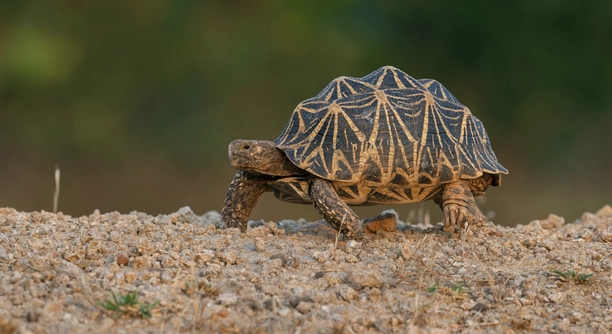
Creating a comfortable habitat for your turtle is key to ensuring its health and well-being. The right environment supports its natural behaviors and enhances its overall quality of life. Here are a few ways to improve its home.
To make your turtle’s habitat more comfortable, provide clean water, appropriate lighting, a suitable basking area, and the right substrate. Make sure the habitat is spacious enough for your turtle to move around and feel secure in its environment.
By making a few simple adjustments, you can create a more enjoyable and healthier habitat for your turtle. Let’s explore these tips further.
Provide Clean Water for Your Turtle
A clean water source is essential for your turtle’s well-being. Turtles spend a significant amount of time in the water, so it must be kept free from debris, algae, and harmful bacteria. Invest in a good filtration system that suits the size of the tank. Regular water changes are necessary, ideally once a week, to prevent the buildup of waste. This helps maintain proper water quality, preventing infections and other health issues.
Turtles thrive in water that is free from contaminants. Make sure you monitor the water regularly, checking for clarity and testing for proper pH and temperature.
Additionally, use a water heater if needed. Turtles are cold-blooded and require specific water temperatures to stay healthy. Maintaining the right water conditions keeps your turtle comfortable, encouraging it to move around and explore its habitat, which is essential for both its physical and mental health.
Set Up Proper Lighting
Your turtle’s habitat requires both UVB and heat lamps to mimic natural sunlight. UVB lighting helps your turtle produce vitamin D3, which is necessary for calcium absorption. Without proper UVB light, turtles can develop shell deformities and other health problems. Heat lamps maintain an optimal basking area temperature, allowing your turtle to regulate its body temperature.
For the most effective setup, position the lights above the basking area, ensuring your turtle can easily move between areas of warmth and shade.
Create a Comfortable Basking Area
A basking area is essential for your turtle to regulate its body temperature. This should be a dry, elevated surface where it can climb out of the water to soak up heat. The area should be large enough to allow your turtle to move around comfortably.
The basking area should be placed directly under a heat lamp, providing the right warmth. Make sure the surface is non-slip so your turtle can easily climb onto it without risk of injury. Some turtles also like to rest in a high spot, so adding a platform may encourage them to use the space more frequently.
Ensure the area remains dry to avoid any water-related issues. A dry basking area helps prevent skin infections and encourages your turtle to stay active. You can add decorations like rocks or logs, but they should not block your turtle from accessing the heat source.
Choose the Right Substrate
Choosing the right substrate for your turtle’s habitat is key to comfort and health. Sand, gravel, or special turtle substrates can be used to create a suitable environment for your turtle to walk on and dig through.
Gravel or sand works best for aquatic turtles since it mimics the natural environment. However, avoid using very fine sand, as it can be ingested and cause digestive issues. Instead, opt for larger, more natural options. Some owners also prefer to leave the bottom of the tank bare to make cleaning easier.
Keep in mind that substrate needs to be changed regularly to prevent bacterial growth. A clean substrate helps maintain a healthy environment, preventing diseases and infections. Regularly inspect your turtle’s habitat to ensure the substrate stays fresh and comfortable.
Ensure Proper Temperature and Humidity
Temperature and humidity levels play a major role in your turtle’s comfort. Maintain the water temperature between 75°F and 85°F, depending on the species. The basking area should be warmer, around 90°F to 95°F, to promote proper thermoregulation.
Humidity also needs to be monitored, especially for land turtles. Humidity should be kept between 50% and 70% to prevent dehydration and keep your turtle comfortable. Use a hygrometer to monitor this. If the humidity drops too low, you can use a spray bottle or a humidifier to adjust it.
Provide Hiding Spots
Turtles like to have hiding spots in their habitat to feel secure. Adding caves, hollow logs, or plant cover gives them a place to retreat when they feel stressed. This is essential for their mental health.
Make sure the hiding spots are easily accessible and large enough for your turtle to move around comfortably. Create multiple spots throughout the habitat so your turtle has options when it needs to retreat. These hiding spots also provide protection, helping your turtle feel safe and secure.
FAQ
What size tank should I get for my turtle?
The size of the tank depends on the type and size of your turtle. Generally, a 40-gallon tank is a good starting point for small to medium-sized turtles. As your turtle grows, you’ll need to upgrade to a larger tank, ensuring it has enough space to swim and explore. A good rule of thumb is to provide 10 gallons of water per inch of turtle shell length. This allows your turtle to move freely and maintain a healthy environment.
Can I keep different types of turtles in the same tank?
It’s best to keep turtles of the same species together. Different species may have different water and environmental needs, and they could become stressed or aggressive when housed together. If you decide to mix species, ensure that the tank is large enough to provide separate areas for each turtle to feel secure. Monitoring their behavior is crucial to avoid territorial disputes.
How often should I clean the tank?
A regular cleaning schedule is essential to maintain water quality. Perform a partial water change once a week to remove waste and debris. Every few weeks, clean the entire tank, including the decorations, substrate, and filter. It’s also important to rinse the filter media regularly to prevent it from becoming clogged. Make sure you also clean the basking area to remove any buildup of algae or waste.
How do I know if my turtle is healthy?
A healthy turtle will have clear eyes, a clean, smooth shell, and active behavior. It should be eating regularly, moving around, and basking. If your turtle is lethargic, has a cloudy or soft shell, or isn’t eating, it may be a sign of illness. Regular vet check-ups are recommended to ensure your turtle stays healthy, as many issues can go unnoticed until they become serious.
What should I feed my turtle?
Turtles are omnivores, so their diet should include a mix of protein and vegetables. Offer high-quality turtle pellets, supplemented with leafy greens, vegetables like carrots and squash, and live or frozen protein sources like worms, crickets, or small fish. Make sure to provide a variety of foods to ensure your turtle gets all the necessary nutrients.
Can I let my turtle roam outside?
Turtles can benefit from supervised outdoor time, but only in a safe, enclosed area. Avoid direct sunlight for long periods, as it can lead to overheating. Be sure the area is free from predators and any harmful plants. Always keep an eye on your turtle while it’s outside, as they can wander off quickly.
How do I properly set up the basking area?
The basking area should be dry and easily accessible for your turtle. Use a flat rock, platform, or log that’s positioned just above the waterline. The area should be placed directly under the heat lamp to provide the correct temperature for basking, typically between 90°F and 95°F. Ensure the surface is stable and non-slip to prevent injuries.
What temperature should the water be?
Water temperature is crucial to your turtle’s health. Most aquatic turtles need water temperatures between 75°F and 85°F. Use a thermometer to monitor the temperature and adjust it as needed with a water heater. Be sure to avoid sudden temperature fluctuations, as they can stress your turtle.
How long can a turtle live in captivity?
Turtles can live for a long time in captivity, especially with proper care. Depending on the species, they can live anywhere from 20 to 50 years or more. Some species, like the red-eared slider, can live up to 30 years with the right environment. It’s important to plan for your turtle’s long lifespan when setting up its habitat.
How do I prevent my turtle from escaping?
Turtles are great escape artists, especially if their habitat isn’t secure. Make sure the tank has a tight-fitting lid or barrier to prevent your turtle from climbing out. Check for any gaps or cracks where it might slip through. If you have an outdoor enclosure, ensure it’s properly enclosed and secure from all sides.
Why is my turtle not eating?
There are several reasons why a turtle might refuse food. It could be stressed from a change in its environment, illness, or a temperature imbalance in the habitat. Make sure the water and basking temperatures are within the appropriate range and check for any signs of health issues. If the problem persists, consult a veterinarian.
Can I use tap water in my turtle’s tank?
While you can use tap water, it’s essential to treat it first to remove chlorine and chloramine, which are harmful to turtles. You can use a water conditioner specifically designed for reptiles. Some turtles are more sensitive to chemicals in the water, so it’s best to test the water regularly to ensure it’s safe.
Do turtles need UVB light?
Yes, UVB light is essential for turtles. UVB light helps them produce vitamin D3, which is necessary for calcium absorption and shell health. Without it, turtles are at risk of developing metabolic bone disease. Be sure to provide UVB lighting for 10-12 hours a day to mimic natural sunlight.
What type of filter should I use for my turtle’s tank?
Choose a filter rated for a tank size larger than what you currently have to ensure effective filtration. Turtles produce a lot of waste, so a high-quality filter is necessary to keep the water clean. Canister filters are often preferred as they offer powerful filtration and are easy to maintain. Make sure to clean the filter regularly to avoid clogging.
Can I handle my turtle?
Turtles are generally not as social as other pets like dogs or cats, but some may enjoy occasional handling. Always wash your hands before and after handling to prevent the spread of bacteria. Be gentle and avoid handling them too often to reduce stress. It’s also important not to drop your turtle, as their shells are delicate.
Final Thoughts
Creating a comfortable habitat for your turtle is essential for its well-being. Turtles are resilient creatures, but they still require specific conditions to thrive. Proper temperature, humidity, and water quality are critical components of a healthy environment. Regular maintenance of their tank and proper feeding will keep them active and happy.
You can also enhance your turtle’s habitat by providing a variety of hiding spots and basking areas. These areas give your turtle a sense of security and allow them to regulate their body temperature. A balanced, well-kept environment will promote good health and long-term happiness for your pet. Over time, you’ll learn what works best for your specific turtle species, so take the time to observe and adjust as needed.
In the end, the goal is to create a safe and comfortable home for your turtle where it can grow and thrive. Regular care, attention to detail, and an understanding of your turtle’s needs will make all the difference. Following the right practices will ensure a positive experience for both you and your turtle for many years to come.

Hello,
If you enjoy the content that we create, please consider saying a "Thank You!" by leaving a tip.
Every little bit helps us continue crafting quality advice that supports the health, happiness, and well-being of pets around the world, for pets of all shapes, sizes, and species.
We really appreciate the kindness and support that you show us!