
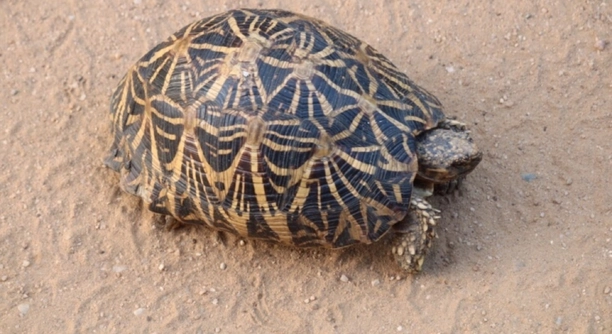
Turtles are fascinating creatures, but when they refuse to come out of their shells, it can be concerning for their owners. Understanding the reasons behind this behavior can help you ensure your turtle stays healthy and happy.
Turtles may withdraw into their shells due to stress, environmental factors, or health issues. Common causes include improper tank conditions, water temperature, or a fear response. If your turtle’s behavior persists, it may be best to consult a vet.
Addressing these factors will help your turtle feel comfortable and encourage it to return to its usual activity.
Common Reasons for a Turtle Hiding in Its Shell
Turtles are naturally inclined to seek shelter in their shells when they feel stressed or uncomfortable. One of the most common reasons a turtle may withdraw is environmental stress. This can include factors like improper water temperature or poor water quality. Turtles are sensitive to their surroundings, and a sudden change in their environment can cause them to retreat into their shells. Even a loud noise or unfamiliar presence can trigger a fear response. If the water in the tank is too cold or warm, turtles may become lethargic and hide. It’s essential to maintain a stable, clean environment for your turtle to thrive.
Turtles are also known to hide when they are not feeling well. If a turtle is sick or injured, it may withdraw as a defense mechanism. Check for any signs of illness, such as a swollen shell, changes in eating habits, or unusual behavior. A vet visit may be necessary if symptoms persist.
Ensuring your turtle’s habitat is well-maintained and free from sudden disruptions can go a long way in helping them feel secure. Proper lighting, water filtration, and temperature regulation all contribute to a happy and healthy environment. If your turtle’s behavior continues, it’s important to closely monitor for any signs of illness.
How to Fix the Problem
To address the issue of your turtle hiding in its shell, start by checking its tank setup. Water quality and temperature are vital for a turtle’s comfort and health. Regular water changes and an appropriate water heater can prevent stress from these factors. Ensuring your turtle has access to both a dry basking area and a water area is also crucial.
In some cases, turtles may hide due to changes in their diet. A lack of variety or nutritional imbalance can make them feel unwell or less active. Offer a balanced diet that includes both plant and protein-based food, and make sure to provide fresh food regularly.
If none of these steps help, consider taking your turtle to a vet. A professional can rule out underlying health problems and offer advice on improving your turtle’s well-being.
Temperature and Lighting Issues
A turtle’s shell withdrawal can often be linked to improper temperature and lighting in its tank. Turtles need a warm basking spot and cooler water temperature to regulate their body heat. If these factors aren’t balanced, it can stress them out.
The basking area should be around 85-90°F, while the water temperature should be between 70-75°F. If the tank is too cold, your turtle might retreat into its shell for warmth. A proper UVB light is also essential to help your turtle metabolize calcium and maintain its health. Without it, they may feel weak or stressed.
Make sure to monitor the tank’s temperature with a thermometer. A water heater can help maintain stable water temperatures, while a reliable UVB light should be on for about 10-12 hours a day. Regular checks will help ensure your turtle’s environment remains ideal.
Tank Size and Setup
Turtles need plenty of space to feel comfortable and move around. A tank that’s too small can make them feel cramped and stressed, causing them to withdraw into their shells.
If you’ve noticed that your turtle stays hidden, it could be a sign the tank isn’t large enough. A general rule is that the tank should be at least 10 gallons per inch of the turtle’s shell length. More space allows your turtle to swim freely and reduces the likelihood of stress.
Make sure the tank is equipped with hiding spots, clean water, and proper filtration. A strong filter is necessary to maintain clean water. Poor water quality is another stressor, causing your turtle to hide. Regularly clean the tank and replace the water as needed.
Stress from New Environments or Changes
Turtles can easily become stressed when introduced to a new environment. Moving them to a different tank or changing their surroundings can lead to shell withdrawal. Stress may also arise from new household noises, other pets, or changes in their routine.
It’s essential to minimize disruptions and give your turtle time to adjust. Avoid handling them too much right after setting up their new environment. Allow your turtle to explore at its own pace. When possible, keep the surroundings quiet and calm to help them feel more secure and comfortable.
Illness and Health Concerns
If your turtle has been hiding for a while, illness could be the cause. Symptoms such as lack of appetite, abnormal behavior, or a swollen shell may indicate health issues. Turtles tend to retreat into their shells when they’re not feeling well as a natural defense mechanism.
Consulting a vet is the best option if your turtle’s behavior seems out of the ordinary. Early detection of illness can prevent more severe problems and ensure your turtle recovers quickly. Keep an eye on changes in eating habits or physical appearance, as these can signal health issues.
Overcrowding in the Tank
If you have multiple turtles in one tank, overcrowding can cause stress. Turtles are territorial, and too many in one space may lead to aggression and hiding behavior. It’s essential to provide enough space for each turtle.
Make sure the tank is large enough to accommodate all the turtles comfortably. If overcrowding is an issue, consider separating them into different tanks. This will give each turtle more room and help reduce stress and competition for space or resources.
FAQ
Why does my turtle stay in its shell for so long?
Turtles may stay in their shells for extended periods due to various reasons, including stress, illness, or environmental factors. Common causes are improper tank temperature, poor water quality, or sudden changes in their environment. If your turtle seems to be hiding more than usual, it could be reacting to a stressor or discomfort in its surroundings.
Check the temperature of both the water and basking area, as extremes can lead to hiding behavior. Also, make sure the tank is large enough and well-maintained. If these factors are in check, and the behavior continues, it may be time to consult a vet.
How can I tell if my turtle is sick?
Signs of illness in turtles include loss of appetite, abnormal swimming, lethargy, swollen eyes, or unusual shell appearance. If your turtle is acting lethargic, staying in its shell for extended periods, or has changes in its eating habits, it could be a sign of illness.
Another common sign is difficulty breathing or mucus around the nose. Pay attention to the turtle’s behavior, and if you notice any of these symptoms, it’s best to seek veterinary care. Early treatment can help prevent more serious health problems down the line.
What is the ideal temperature for my turtle’s tank?
For most turtle species, the water temperature should be maintained between 70°F and 75°F, while the basking area should be between 85°F and 90°F. These temperature ranges help keep your turtle comfortable, active, and healthy. If the water temperature is too cold, your turtle may become lethargic or withdraw into its shell.
Use a reliable thermometer to monitor both water and air temperature. A water heater for the tank and a heat lamp for the basking area can help maintain these ideal conditions. A temperature gradient allows your turtle to regulate its body temperature by moving between warm and cool areas.
Is my turtle hiding because it’s stressed?
Yes, stress is a common reason for turtles to retreat into their shells. Turtles may feel stressed from environmental changes, loud noises, new pets, or improper tank conditions. If your turtle is in a new tank, it might need time to adjust. Overcrowding can also lead to stress, as turtles are territorial creatures.
To reduce stress, try to keep the environment as consistent as possible. Make sure the tank is clean, the temperature is right, and there are enough hiding spots. Give your turtle space to adjust and avoid unnecessary handling, as this can add to its stress.
Can I fix my turtle’s behavior by adding more hiding spots?
Yes, adding more hiding spots can help reduce stress for your turtle, especially if there are multiple turtles in the tank or if the tank feels too open. Providing places for your turtle to retreat to when feeling insecure will help it feel more comfortable.
Use aquarium decorations, such as rocks, logs, or plants, to create hiding places. Ensure that these spots are easily accessible, allowing your turtle to hide when needed but also venture out when it feels safe. Overcrowding can make this strategy less effective, so consider tank size as well.
How often should I change the water in my turtle’s tank?
You should change the water in your turtle’s tank regularly, at least once a week, or more often if you notice it becoming dirty quickly. Using a good filtration system can help keep the water clean, but water changes are still necessary.
In addition to weekly changes, remove any uneaten food or waste daily. Keeping the tank clean helps prevent the buildup of harmful bacteria that could cause health issues for your turtle. If you have more than one turtle, you may need to change the water more frequently to maintain optimal water quality.
Can my turtle’s shell get too dry?
Yes, a turtle’s shell can get too dry, especially if the humidity in the tank is not maintained correctly. Turtles need a balance of both dry and humid conditions. If the tank is too dry, it can cause problems like shell dehydration or cracking.
To prevent this, make sure there’s a proper basking area where your turtle can dry out and a water area where it can stay moist. Additionally, ensure the tank is properly sealed to retain humidity, and keep the humidity levels between 50-70% for most species.
Is it normal for my turtle to eat less in winter?
Yes, it’s normal for turtles to eat less during colder months, especially species that experience a natural winter slowdown in the wild. Turtles are cold-blooded, and their metabolism slows down when the temperature drops. This reduced activity can lead to less appetite.
During winter, adjust the temperature in the tank to ensure it stays within the ideal range for your turtle species. If your turtle refuses food for an extended period, check for other signs of illness and consult a vet if needed.
Should I worry if my turtle’s shell is soft?
A soft shell can be a cause for concern. It may indicate a lack of calcium in your turtle’s diet, or it could be a sign of metabolic bone disease (MBD). MBD occurs when a turtle doesn’t get enough UVB light or calcium, causing its bones and shell to become weak.
To prevent MBD, provide a balanced diet with calcium-rich foods and use UVB lighting to help with calcium absorption. If your turtle’s shell becomes soft, consult a vet for proper diagnosis and treatment.
How can I make sure my turtle’s tank is the right size?
A tank should be at least 10 gallons for every inch of the turtle’s shell length. For example, a 4-inch turtle needs at least a 40-gallon tank. More space gives your turtle room to move around and swim, which reduces stress.
If the tank feels cramped, your turtle may feel overwhelmed and retreat into its shell. It’s essential to provide a tank large enough for your turtle to have a basking area, swimming space, and hiding spots. Consider upgrading the tank as your turtle grows.
Final Thoughts
Turtles are resilient and adaptable creatures, but they do have specific needs that must be met for them to thrive. Understanding why your turtle may be staying in its shell is crucial for providing the right care. Whether it’s due to stress, illness, or environmental factors, recognizing the signs and responding accordingly can make a significant difference in your turtle’s well-being. By paying attention to your turtle’s behavior and making the necessary adjustments to its habitat, you can ensure a more comfortable and healthy life for your pet.
Consistency is key when caring for a turtle. This includes maintaining proper water temperatures, providing a balanced diet, and keeping the tank clean. Regularly checking the water quality and making necessary adjustments will help reduce stress and prevent health issues. Likewise, making sure your turtle has access to a basking spot and UVB light is essential for its overall health. These small but important steps can help minimize hiding behavior and encourage your turtle to feel more confident in its environment.
Finally, remember that patience is essential. Turtles can take time to adjust to new surroundings, and sudden changes may cause them to retreat into their shell. While it’s normal for a turtle to occasionally hide, consistent monitoring and care can help prevent prolonged withdrawal. If you continue to notice troubling signs, such as a lack of appetite or abnormal behavior, consulting with a vet is always a good idea. By keeping your turtle’s environment stable and ensuring its needs are met, you can help foster a long, healthy life for your pet.

Hello,
If you enjoy the content that we create, please consider saying a "Thank You!" by leaving a tip.
Every little bit helps us continue crafting quality advice that supports the health, happiness, and well-being of pets around the world, for pets of all shapes, sizes, and species.
We really appreciate the kindness and support that you show us!