
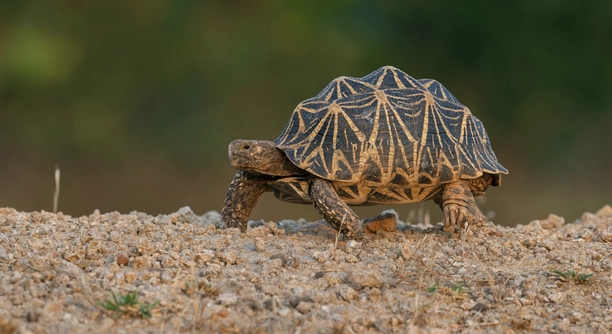
Turtles thrive in habitats that offer a balance of nature and comfort. Choosing the right plants for their tank is essential for their well-being. The right plants can help create a natural and healthy environment for your turtle.
The best plants for a turtle tank are those that are hardy, easy to maintain, and can withstand the turtle’s active nature. Plants like Anubias, Java Fern, and Hornwort thrive in these conditions, providing shelter and water filtration for your turtle’s habitat.
Selecting the right plants is key to your turtle’s environment. Understanding which plants are suitable will help you maintain a healthy tank for your pet.
Choosing the Right Plants for Your Turtle Tank
When it comes to setting up a turtle tank, selecting the right plants can make a huge difference. Turtles need an environment that mimics their natural habitat. Plants provide shelter, a place to hide, and a way to help maintain the water quality. In addition, they can reduce stress, give your turtle something to climb on, and provide food if needed. However, not all plants are suitable for a turtle tank. Turtles are known to be active and can sometimes uproot delicate plants or nibble on them. For this reason, it’s important to pick resilient plants that will withstand your turtle’s playful behavior. The plants should also be able to survive in the tank’s water conditions, whether it’s warm or cool. If you want plants that thrive while still being safe for your turtle, there are a few options that can do the job.
Choosing the right plants isn’t just about looks. They play a functional role in your turtle’s tank. Some plants help with water filtration, while others add oxygen to the water.
Turtles love to swim and climb, so adding the right plants gives them plenty of room to move around. Hardy plants like Anubias and Java Fern are excellent choices. These plants attach to rocks and driftwood, allowing turtles to explore and hide. Anubias is particularly known for its ability to thrive in a variety of lighting conditions, making it ideal for tanks with limited light. Another plant to consider is Hornwort. It’s an aquatic plant that can float freely or be anchored to the substrate. It helps to filter the water and prevents algae buildup. Both of these plants are low-maintenance and can survive the turtle’s occasional nibble without significant damage.
Easy-to-Maintain Plants for Turtle Tanks
Not all plants will survive in a turtle tank, but some are perfect for the conditions. They’re low-maintenance and robust.
Java Fern and Hornwort are two great examples. Both plants are adaptable to various tank conditions, and they don’t require much attention.
Anubias: A Perfect Addition to Your Turtle Tank
Anubias is a slow-growing, hardy plant that’s ideal for turtle tanks. It’s low-maintenance, doesn’t require much light, and can handle the occasional nibble from your turtle. Its thick, tough leaves make it a great option when choosing plants that can withstand active turtles.
This plant is often used in aquariums because of its resilience. Anubias can be easily anchored to rocks, driftwood, or other decorations in the tank. It’s also one of the best plants for low-light conditions, which makes it easy to care for. Anubias doesn’t require frequent trimming, making it a low-maintenance option for busy turtle owners. Additionally, its sturdy leaves can endure the occasional bite or pull, so it won’t be destroyed by your turtle’s activity.
Anubias is ideal for creating hiding spots in your tank. It grows slowly, which means it won’t outgrow the tank quickly, and it provides a natural environment for your turtle to feel at home. Whether you have a large or small tank, Anubias is versatile and can be placed in various locations, both submerged or partially above the waterline.
Java Fern: A Hardy and Versatile Plant
Java Fern is another great choice for turtle tanks. This plant can grow in a range of water conditions and doesn’t need much attention. Its tough leaves make it resistant to damage from turtle bites, and it doesn’t require soil to grow.
Java Fern can be attached to rocks, driftwood, or decorations inside your tank, making it easy to set up. It’s a low-light plant, so it thrives even in tanks with limited light. Java Fern’s ability to filter the water also benefits the overall health of your turtle tank. It’s also known to grow in cooler water, which is perfect for turtle environments.
Java Fern grows relatively slowly, so you don’t need to worry about it taking over your tank. Its flexible growth habits allow it to flourish in different environments. Turtles enjoy climbing and resting on Java Fern, making it a practical addition to their tank setup.
Hornwort: A Great Water Filter
Hornwort is another excellent choice for turtle tanks. This plant can float freely or be anchored to the substrate. It thrives in various water conditions, helping to improve water quality by absorbing excess nutrients and reducing algae growth.
Hornwort grows quickly and is a fantastic natural filter. It works by absorbing nitrogen and phosphates, which can otherwise lead to algae blooms. With its fine, needle-like leaves, Hornwort provides cover and a place for your turtle to explore. It also improves water oxygenation, benefiting both your turtle and any other aquatic life in the tank.
Hornwort doesn’t require special care, making it an easy addition to your turtle’s environment. It’s resilient and can handle the occasional nibble, which makes it a durable option. Placing it in the tank can help maintain water balance and keep your turtle healthy.
Water Lettuce: A Floating Option
Water Lettuce is another floating plant that provides both aesthetics and practical benefits. It helps reduce the amount of sunlight entering the tank, which keeps algae growth in check.
FAQ
What plants are best for turtle tanks?
Anubias, Java Fern, Hornwort, and Water Lettuce are some of the best plants for turtle tanks. These plants are hardy, low-maintenance, and can withstand the occasional nibble from your turtle. They also improve water quality by absorbing nutrients and providing shelter for your pet. Anubias and Java Fern are particularly durable and thrive in low-light environments. Hornwort helps filter the water, while Water Lettuce provides shade and reduces algae growth.
Can turtles eat the plants in their tank?
Turtles may nibble on some plants in their tank, but the ones mentioned above are sturdy enough to handle occasional bites. Some turtles, especially herbivores, might be more likely to eat plants. However, it’s important to choose plants that are resilient and capable of withstanding this behavior. While certain plants, like Anubias and Java Fern, are relatively safe, you should monitor your turtle’s eating habits to ensure they aren’t damaging the plants too much. Offering a variety of food options will help reduce the likelihood of your turtle eating all the plants in the tank.
Do I need to fertilize the plants in my turtle tank?
Most plants in turtle tanks, such as Anubias and Java Fern, do not require additional fertilization. These plants are quite hardy and can thrive without extra nutrients. However, if you notice that your plants are struggling to grow or their leaves are yellowing, you might want to consider adding a balanced aquarium fertilizer. Keep in mind that adding too much fertilizer can lead to excess algae growth, so use it sparingly. It’s best to focus on keeping the tank clean and maintaining a stable environment for both the plants and your turtle.
How often should I clean the plants in the tank?
Cleaning the plants in a turtle tank is important for maintaining water quality. You should remove any dead or decaying leaves regularly, as they can contribute to water pollution. Some plants, like Hornwort, may shed small leaves or needles, which should also be cleaned out. Depending on the size of your tank and the number of plants, cleaning can be done weekly or bi-weekly. Gently wipe down the leaves with an aquarium-safe brush or cloth to remove algae buildup. Be careful not to disturb the plant roots too much, especially if they are anchored to rocks or driftwood.
Will plants help keep the water clean in a turtle tank?
Yes, plants like Hornwort, Java Fern, and Water Lettuce can help keep the water clean in a turtle tank. These plants naturally absorb excess nutrients, like nitrates and phosphates, which can cause algae growth. By doing so, they help maintain water quality and reduce the need for chemical treatments. Additionally, plants can improve oxygenation in the tank, which benefits both your turtle and the overall health of the aquarium. However, plants alone cannot completely filter the water, so regular tank maintenance, such as water changes and filter cleaning, is still necessary.
Can I keep plants and turtles in the same tank without problems?
Yes, you can keep plants and turtles in the same tank. The key is to choose plants that can handle your turtle’s active behavior. Some turtles may uproot or eat plants, so selecting hardy species is crucial. Plants like Anubias and Java Fern are ideal because they are tough and can withstand occasional nibbling. It’s also important to monitor your turtle’s interactions with the plants and ensure they aren’t causing damage to the tank’s ecosystem. With the right plants, you can create a balanced environment where both your turtle and the plants can thrive.
Do turtles need live plants in their tank?
Live plants are not essential for a turtle tank, but they offer many benefits. They provide hiding spots, improve water quality, and contribute to a more natural environment for your turtle. Live plants also help with oxygenation and can reduce the risk of algae blooms. While you can keep turtles in a tank without live plants, adding them will enhance their habitat. However, make sure the plants are suitable for the tank environment, as not all species can survive the active nature of turtles.
How do I set up plants in a turtle tank?
To set up plants in your turtle tank, start by choosing hardy species that can withstand your turtle’s activity. Plants like Anubias, Java Fern, and Hornwort can be anchored to rocks or driftwood. Floating plants like Water Lettuce can be placed directly on the water’s surface. Make sure to arrange the plants in a way that provides your turtle with places to hide and climb. Keep in mind that some plants need to be partially submerged, while others, like Water Lettuce, float on top. Once the plants are in place, maintain the tank by cleaning the plants regularly and checking the water quality.
Can I use artificial plants instead of live plants?
While artificial plants are an option, live plants offer more benefits to your turtle’s tank. Live plants help with water filtration, oxygenation, and provide a more natural environment. However, if you prefer artificial plants, choose ones that are safe and free from sharp edges that could injure your turtle. Artificial plants are easier to maintain, but they do not contribute to the overall health of the tank the way live plants do. If you go with artificial plants, make sure to still clean them regularly to avoid algae buildup.
Final Thoughts
Choosing the right plants for a turtle tank is essential for creating a healthy and thriving environment for both the plants and your turtle. While turtles are known to nibble on plants, selecting hardy species can help ensure that they don’t cause too much damage. Plants like Anubias, Java Fern, and Hornwort are perfect for turtle tanks due to their durability and ability to tolerate occasional bites. Additionally, these plants offer natural benefits, such as improving water quality, oxygenating the tank, and providing hiding spots for your turtle.
Though live plants offer many advantages, they do require some maintenance. Regular cleaning, removing dead leaves, and ensuring that the plants are properly anchored will help maintain their health. It’s important to monitor the condition of your plants and check the water quality regularly. Over time, you may notice that some plants grow faster than others or need additional care. If you decide to use fertilizer, make sure to use it sparingly, as too much can lead to algae growth, which can harm both the plants and your turtle.
Ultimately, live plants can enhance your turtle’s tank by creating a more natural, balanced habitat. They help maintain a healthy environment by absorbing excess nutrients and improving water conditions. However, plants alone cannot fully replace regular tank maintenance. Regular water changes and filter cleaning are still necessary to keep the water clean and safe for your turtle. By choosing the right plants, you can create an enriching environment for your turtle that benefits both its health and its habitat.

Hello,
If you enjoy the content that we create, please consider saying a "Thank You!" by leaving a tip.
Every little bit helps us continue crafting quality advice that supports the health, happiness, and well-being of pets around the world, for pets of all shapes, sizes, and species.
We really appreciate the kindness and support that you show us!