
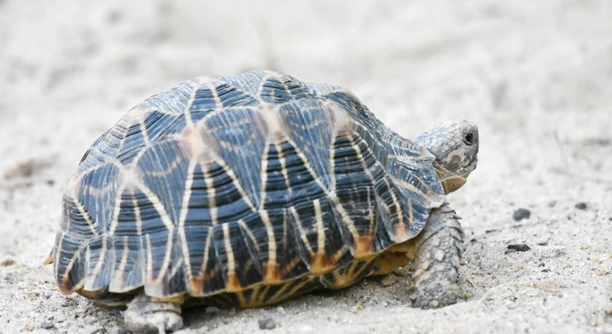
Many people adore pet turtles, but there are a lot of misunderstandings surrounding their care. With so many myths floating around, it can be hard to know the truth about keeping these reptiles as pets.
Pet turtles require more than just a tank and some food. Common misconceptions include them being low-maintenance and living for only a few years. Proper care, habitat, and diet are crucial to ensuring a turtle lives a long and healthy life.
Understanding the truth behind these myths can help you provide the best care for your turtle. By clearing up the confusion, you can ensure your pet thrives in its environment.
Myth 1: Turtles Don’t Need Much Care
Many people believe that turtles are low-maintenance pets. This myth comes from the idea that turtles only need to be fed and left in a tank. In reality, turtles require more attention. Their habitat needs to be cleaned regularly, and their diet must be varied and nutritious. Additionally, they need the right balance of light and temperature to stay healthy. Without proper care, your turtle’s health may suffer, leading to shorter life expectancy.
Turtles need a clean and safe environment. Keeping their tank clean, maintaining the right water conditions, and ensuring they get the proper nutrients are essential steps in turtle care.
Turtles are not as simple to care for as some might think. They need daily attention, from monitoring their food intake to ensuring their habitat conditions are optimal. Offering them a suitable environment helps them live longer, happier lives. If you’re not ready to invest the time and effort, a turtle might not be the right pet for you.
Myth 2: Turtles Can Live on a Diet of Lettuce Alone
While lettuce might be a go-to for many turtle owners, it is far from enough. Turtles need a balanced diet that includes a mix of protein, vegetables, and calcium. Lettuce alone doesn’t provide the necessary nutrients for them to thrive.
A proper diet for your turtle includes a variety of foods, such as leafy greens, vegetables, and protein sources like worms or fish. Calcium is also important for strong shells and bones.
Turtles require more than just greens to stay healthy. While lettuce is okay as a treat, it lacks essential vitamins and minerals. A balanced diet is key, and you should aim to feed them different types of food every week. Fresh fruits, vegetables, and protein-rich foods will keep your turtle strong and active. Without these, they can develop health problems, such as shell deformities or poor growth. Always check your turtle’s diet to ensure it meets their needs.
Myth 3: Turtles Don’t Need Much Space
It’s easy to think turtles are fine in a small tank, but they actually need more space to be healthy. A cramped environment can lead to stress and health issues. Turtles thrive in larger enclosures where they can move around comfortably.
When setting up a turtle’s habitat, size matters. The tank should be large enough for your turtle to swim, bask, and explore. A small tank can limit their natural behaviors, which is crucial for their well-being. A proper setup with plenty of space and the right water depth is essential.
Overcrowding in a tank can lead to territorial behavior and aggression. To avoid these issues, it’s important to consider the space needs of your turtle. A larger tank ensures they have room to grow and move freely. If your turtle is not given enough space, it can affect its health and happiness in the long run. A spacious, well-maintained tank will allow them to feel safe and comfortable, making a big difference in their overall quality of life.
Myth 4: Turtles Can Live Without UVB Light
Many owners overlook the importance of UVB light for their turtles. Without it, turtles can develop serious health problems, like shell deformities or metabolic bone disease. UVB light is essential for the turtle’s body to process calcium properly.
UVB light helps turtles absorb calcium, which is necessary for a healthy shell and bones. Without UVB exposure, they can suffer from weakened bones and a soft shell. Natural sunlight can work, but many turtle owners opt for artificial UVB bulbs. These bulbs should be replaced regularly, as their effectiveness decreases over time.
If you want your turtle to live a long, healthy life, UVB lighting is a must. Providing the right lighting conditions will keep your turtle strong and reduce the risk of bone-related health issues. It’s a simple yet crucial step in turtle care that shouldn’t be skipped. Investing in proper lighting ensures your turtle gets all the benefits of natural sunlight, even if they’re indoors.
Myth 5: Turtles Are Always Slow and Lazy
While turtles are known for their slow pace, that doesn’t mean they’re lazy. Turtles are actually active creatures, especially when they’re in their natural environment. They enjoy swimming, exploring, and foraging for food.
In a suitable habitat, turtles will move around more than expected. They need the stimulation of a well-designed environment to keep them active. A lack of movement can be a sign of poor tank conditions or health issues. Turtles should be given enough space and environmental enrichment to stay physically and mentally active. This helps avoid obesity and stress.
Myth 6: Turtles Don’t Need to Be Social
Turtles are often thought of as solitary animals, but they can form social bonds. Some species enjoy the company of other turtles, while others prefer being alone. Understanding your turtle’s personality is key to deciding whether to house them with others.
Social interaction, either with other turtles or human caretakers, is important for their well-being. In the wild, they interact with other turtles, and they can form bonds with people too. However, not all turtles are the same. Some may prefer solitude, and that’s okay. But don’t assume all turtles are solitary by nature. You may need to adjust their living situation based on their preferences.
Myth 7: Turtles Can Live Without Water
It’s a common mistake to assume that turtles don’t need water, but they actually require it for most of their life stages. While some turtles are land-dwelling, many need aquatic environments to stay healthy.
Turtles need a clean water source for swimming and drinking. Even if your turtle spends time on land, they must have access to water at all times. Dehydration can lead to serious health issues, so it’s important to ensure their tank has a proper water filtration system. Even land-dwelling species need occasional access to water for hydration and cooling down.
FAQ
What size tank does a turtle need?
The size of the tank depends on the species of turtle you have. As a general rule, a tank should be at least 10 gallons of water for every inch of your turtle’s shell length. This gives them enough space to swim and explore. For adult turtles, you’ll need a much larger tank, sometimes upwards of 50 gallons or more. The bigger the tank, the better, as it helps reduce stress and allows your turtle to live comfortably. Don’t forget to consider the need for a basking area too, where they can dry off and get some heat.
How often should I clean my turtle’s tank?
You should clean your turtle’s tank regularly to keep it healthy. Perform partial water changes weekly and clean the filter once a month to avoid the buildup of harmful bacteria. A full cleaning, where you scrub the tank and replace all the water, should be done every 4 to 6 weeks. Make sure to remove any uneaten food and waste to prevent water contamination. Cleaning your turtle’s habitat will ensure they live in a safe and clean environment, which is key for their well-being.
What do I feed my turtle?
A balanced diet is essential for your turtle’s health. Most turtles are omnivores, meaning they eat both plants and animals. You can offer them leafy greens like kale or dandelion greens, vegetables such as squash, and protein like crickets, earthworms, or small fish. It’s also important to provide them with calcium-rich foods to help maintain a healthy shell, such as cuttlebone or calcium supplements. Avoid feeding them too much lettuce, as it has little nutritional value. Make sure to offer variety and adjust based on your turtle’s age and species.
How often should I feed my turtle?
The frequency of feeding depends on the age of your turtle. Baby turtles typically need to eat once or twice a day, while adult turtles can be fed every other day or even every few days. Overfeeding can lead to obesity and health problems, so it’s crucial to provide the right portions. Always monitor their weight and adjust their feeding schedule accordingly. Also, make sure that any uneaten food is removed after a few hours to keep the tank clean.
Can turtles live in cold water?
Turtles are cold-blooded animals, meaning their body temperature depends on the surrounding environment. Most turtles prefer water that is between 75-80°F (24-27°C), but different species have varying temperature preferences. If the water is too cold, it can cause your turtle to become lethargic, and they may stop eating or swimming. In colder climates, you might need a water heater to maintain the right temperature. It’s essential to check the water temperature regularly with a thermometer to ensure it’s ideal for your turtle’s health.
Do turtles need UVB lighting?
Yes, turtles need UVB lighting. UVB rays are crucial for turtles because they help them synthesize vitamin D3, which in turn helps them absorb calcium. Without UVB light, your turtle can develop shell deformities or metabolic bone disease. If you can’t provide natural sunlight, you should use an artificial UVB bulb specifically designed for reptiles. These bulbs should be replaced every 6 to 12 months because their UVB output diminishes over time. Keep the UVB light on for about 10-12 hours a day to mimic natural daylight hours.
How can I tell if my turtle is sick?
It can sometimes be difficult to tell if a turtle is sick because they tend to hide their symptoms. Some signs that your turtle may be unwell include a loss of appetite, lethargy, swollen or soft shell, or difficulty swimming. If your turtle’s eyes are swollen or cloudy, it could be a sign of an eye infection. Any changes in behavior or physical appearance should be addressed immediately by a veterinarian experienced with reptiles. Regularly checking your turtle’s health and environment will help catch potential issues early.
Can I keep multiple turtles together?
It depends on the species and individual turtles. Some turtles are more social and can live with others, while others are territorial and prefer solitude. If you do decide to house multiple turtles together, ensure there is enough space in the tank to reduce competition for food and basking spots. You should also watch for signs of aggression, such as biting or chasing. Having multiple hiding spots and basking areas can help keep the peace. If you’re unsure whether your turtles will get along, consider housing them separately.
How do I properly handle my turtle?
Turtles can be handled, but it’s important to do so gently. Always support their body by placing one hand under their shell and the other on their back to prevent stress or injury. Avoid holding them by their legs or tail. While handling, try to limit the time spent out of the tank, as it can be stressful for them. Also, never drop or force your turtle into a position they’re not comfortable with. Let them explore and move at their own pace to avoid causing them anxiety.
Do turtles hibernate?
Some species of turtles do hibernate, especially in colder climates. If your turtle is a species that hibernates, they will usually do so in the winter. During this time, their metabolism slows down significantly, and they may not eat for weeks or even months. It’s important to create a safe environment for them to hibernate in, such as a cool, dry area with proper humidity levels. If you suspect your turtle is hibernating, monitor them closely for any health changes. Hibernation should not be forced, and you should consult a vet if you’re unsure.
Final Thoughts
Caring for a pet turtle involves more than just providing food and a tank. While turtles can be wonderful pets, they require attention and a specific environment to thrive. It’s easy to fall for common myths about turtles, but understanding their true needs will help ensure they stay healthy and happy. From proper diet to maintaining the right tank conditions, the key to keeping your turtle well is giving it the right care and attention.
It’s also important to be patient and observant. Turtles may take time to adjust to their new environment, and their behavior can change based on their surroundings. Regular checkups on their habitat, diet, and health will help prevent issues down the road. While turtles are low-maintenance in some ways, they still need consistent care, and any neglect could lead to problems. It’s essential to learn as much as you can about the specific needs of the turtle species you have. What works for one may not work for another.
Turtles can be long-lived companions, and with the proper care, they can thrive in your home for many years. By understanding what’s true and what’s not about pet turtles, you can create an environment that’s comfortable and supportive of their needs. Whether you’re a new turtle owner or have had one for years, taking the time to learn about their care will lead to a healthier, happier turtle in the long run.

Hello,
If you enjoy the content that we create, please consider saying a "Thank You!" by leaving a tip.
Every little bit helps us continue crafting quality advice that supports the health, happiness, and well-being of pets around the world, for pets of all shapes, sizes, and species.
We really appreciate the kindness and support that you show us!