
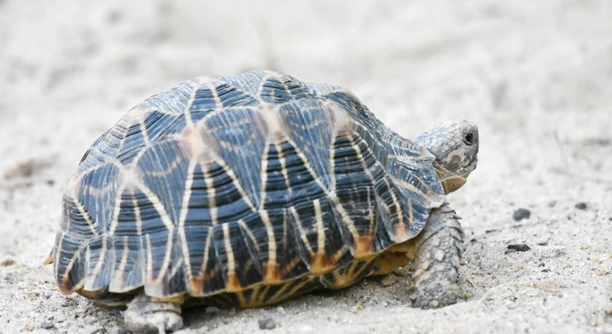
Turtles are unique creatures that require specific care and environments to thrive. One important element of turtle care is choosing the right substrate for their habitat. Selecting the best substrate can contribute to their overall health and well-being.
The ideal substrate for different types of turtles varies depending on their species, environment, and activity level. Factors such as moisture retention, ease of cleaning, and natural behavior should be considered when choosing a suitable substrate for your turtle.
Different substrates offer various benefits for different types of turtles. Each choice has its advantages, from promoting natural behaviors to making maintenance easier for turtle owners. Understanding these differences will help you make the best choice for your pet.
1. Why Substrate Matters for Turtles
Choosing the right substrate for your turtle isn’t just about decoration, it’s a crucial part of their habitat. The type of substrate can affect how comfortable and healthy your turtle feels in its environment. A poor choice can lead to stress or even health issues. Turtles rely on their substrate to mimic natural conditions, so it’s important to consider their species’ needs when selecting one. The right substrate can help regulate humidity, provide a surface for burrowing, and aid in digestion for herbivorous species.
Each turtle type has specific needs when it comes to substrate. For example, aquatic turtles require different setups than terrestrial ones. Selecting a substrate that allows for the right balance of moisture and texture is essential for their health.
Understanding these needs means you can provide a habitat that helps your turtle thrive, making it feel more at home. A well-chosen substrate can also make maintaining your turtle’s environment easier.
2. Different Substrates for Aquatic Turtles
When it comes to aquatic turtles, a good substrate should be easy to clean, promote proper drainage, and be gentle on their shells.
Aquatic turtles spend most of their time in water, so their substrate needs to be able to handle constant moisture. A substrate that is too fine can lead to water contamination, while a rough one may harm the turtle’s skin or shell. A suitable choice would be something like large river rocks or smooth pebbles. These substrates provide a natural feel, are easy to clean, and prevent turtles from accidentally swallowing the substrate. Another option is aquatic plants or a mix of both. Plants help with filtration and offer a natural touch to the habitat.
It’s essential to avoid substrates that can lead to water quality problems. For aquatic turtles, maintaining clean water is one of the biggest challenges. Choosing the correct substrate helps you reduce maintenance time and ensures a cleaner, healthier environment.
3. Best Substrates for Terrestrial Turtles
For terrestrial turtles, it’s essential to use a substrate that supports their need to burrow and retains moisture.
Coconut coir is an excellent option for these turtles as it helps maintain the right humidity level and provides a soft surface for burrowing. It’s also easy to clean and safe for turtles to ingest in small amounts. Another option is soil mixed with sand, which mimics natural environments and encourages natural behaviors. Sand also allows for a more stable temperature, which is beneficial for some species.
For desert species, it’s better to go with something drier, like a sandy mix, to replicate their native habitat. However, for forest-dwelling turtles, consider a mix of coir and forest floor bedding. This helps maintain a suitable environment for the turtle while also making cleaning manageable.
4. Considerations When Choosing Substrate
The substrate you choose should depend on your turtle’s needs and the level of maintenance you’re comfortable with.
Some substrates, like sand or gravel, require frequent cleaning to keep the environment healthy, while others, like coir, help maintain moisture levels and are easier to manage. If you’re new to turtle care, opt for an easier-to-maintain option such as coconut coir or large rocks. It’s also crucial to select a substrate that will not cause your turtle to accidentally ingest it, which can lead to serious health issues. Keeping their habitat as close to their natural environment as possible promotes better health and happiness.
The substrate should also match your turtle’s activity levels. Active turtles might prefer a rougher texture like pebbles, while more passive species may thrive in a softer bedding. The wrong choice can cause undue stress or limit your turtle’s ability to move and interact naturally. Make sure the substrate matches your turtle’s habitat and lifestyle to keep them comfortable and healthy.
5. How to Maintain Your Turtle’s Substrate
Maintaining your turtle’s substrate is crucial for their health. Regular cleaning helps prevent bacteria buildup and keeps the habitat fresh.
For most substrates, removing waste daily is necessary to maintain a clean environment. With coir or soil, spot clean by removing any soiled areas. Water changes are also important if you’re using an aquatic substrate.
Changing the substrate entirely every few months is essential, especially if it becomes soiled or compacted. You should also monitor the humidity levels to ensure your turtle’s needs are met. A good cleaning routine can help prevent health issues and improve your turtle’s living conditions.
6. Common Mistakes When Choosing Substrate
One mistake is selecting a substrate that doesn’t align with your turtle’s natural habitat.
Choosing too fine or too rough a substrate can cause digestive issues, or it might harm their shell and skin. It’s easy to overlook this factor, but understanding the natural environment of your turtle helps you make the right decision. Also, some substrates can affect the water quality or humidity levels in the tank, so it’s important to monitor these factors closely to ensure a stable environment for your pet.
7. Alternative Substrates to Consider
If you’re looking for something more natural, leaf litter or moss can provide an eco-friendly alternative.
Leaf litter works well for turtles that enjoy a forest-like environment, while moss retains moisture, adding to humidity levels. These alternatives are natural and can help create a more enriching environment for certain species. However, keep in mind that these options may need frequent replacement to maintain cleanliness and quality.
FAQ
What substrate is best for a baby turtle?
For baby turtles, it’s important to choose a substrate that is soft and safe to prevent injury. Coconut coir or fine-grade reptile carpet is ideal. These options provide a comfortable, soft surface for them to explore and are gentle on their delicate skin and shells. Avoid loose substrates like sand or gravel, as they can be ingested, leading to digestive problems.
Can I use sand as a substrate for aquatic turtles?
While sand can be used for aquatic turtles, it’s important to choose a coarse type to prevent them from swallowing it. Fine sand can cause digestive issues or even block their intestines if ingested. Coarse sand, along with larger pebbles or rocks, helps mimic a natural riverbed and is easier to clean than fine sand.
How often should I change my turtle’s substrate?
For most substrates, you should change them every 2 to 3 months. However, this can vary based on the type of substrate and the condition of the tank. For example, soil or coconut coir may need replacing more frequently if it becomes compacted or too soiled. Regular cleaning and spot checks can help determine when a full substrate change is necessary.
Is it okay to use gravel for my turtle’s tank?
Gravel can be used in your turtle’s habitat, but it should be smooth and large enough that your turtle can’t accidentally swallow it. Small, sharp rocks or gravel can harm your turtle’s shell or digestive system. It’s also harder to clean than larger stones, so it may require more frequent maintenance.
Can I use reptile bark as a substrate for my turtle?
Reptile bark, like cypress mulch, is a good choice for terrestrial turtles that require moisture retention and a natural feel in their environment. This substrate helps maintain humidity levels and is soft enough for turtles to burrow into. However, it needs regular cleaning and should be replaced periodically to prevent mold growth.
Should I use a water filter with my turtle’s substrate?
Yes, using a water filter is highly recommended, especially if you’re using an aquatic substrate like sand or pebbles. Filters help keep the water clean and prevent debris buildup in the tank. A good filter will also help maintain water quality, which is essential for your turtle’s health. Regular water changes, along with filtration, can keep your turtle’s habitat clean and safe.
What is the best substrate for desert turtles?
For desert turtles, a substrate that mimics their natural dry environment is ideal. A mixture of sand and soil works well. This combination allows for temperature regulation and also provides a good surface for the turtles to dig and burrow. Avoid using moist substrates, as desert species require a dry environment to thrive.
Can I use aquarium gravel in my turtle’s tank?
Aquarium gravel can be used in your turtle’s tank, but like with other gravel, you should ensure the pieces are large enough to prevent ingestion. It is essential to clean the gravel regularly to remove waste and prevent bacterial buildup. Aquarium gravel can also trap debris, so ensure proper filtration and frequent maintenance.
Is it necessary to have a substrate in an aquatic turtle tank?
While a substrate isn’t strictly necessary for an aquatic turtle tank, it is often preferred to help maintain a natural environment and provide a surface for turtles to walk on. Substrates can also be used for decoration or to enhance the tank’s appearance. However, if you prefer an easy-to-clean setup, a bare-bottom tank is also a viable option.
Can I use topsoil in my turtle’s tank?
Topsoil can be used for terrestrial turtles, as it provides a natural and safe surface for them to walk and burrow. However, make sure the soil is free from pesticides and chemicals, as these can harm your turtle. It’s best to mix it with other materials like sand or coconut coir for added texture and moisture retention.
Can I mix substrates for my turtle tank?
Yes, mixing substrates can be a great way to create a more diverse environment. For example, you can mix coconut coir and sand to create a comfortable, moisture-retaining surface for your turtle. Just be mindful of each substrate’s maintenance requirements, and monitor humidity and cleanliness levels regularly to ensure a healthy habitat.
How do I clean my turtle’s substrate?
Cleaning your turtle’s substrate depends on the material. For coir or soil, use a small shovel to remove waste and soiled areas daily. For sand or gravel, you can use a gravel vacuum to clean the bottom of the tank and remove debris. It’s also important to perform regular water changes if you’re using an aquatic substrate to maintain good water quality.
Are there any substrates I should avoid for my turtle?
Avoid using substrates like small gravel or fine sand, which can be easily ingested by turtles, leading to digestive issues. Also, steer clear of anything treated with chemicals or pesticides. Materials like walnut shells and pine shavings are unsafe for turtles due to their sharp edges or potential for causing respiratory issues.
What is the best substrate for box turtles?
Box turtles thrive with a substrate that allows for burrowing and moisture retention. A mixture of coconut coir, peat moss, and soil is an excellent choice. This combination keeps humidity levels stable while also providing a comfortable, soft surface for your turtle. Make sure to maintain proper humidity and replace the substrate as needed.
Final Thoughts
Choosing the right substrate for your turtle is an important part of creating a comfortable and healthy habitat. Whether you have an aquatic or terrestrial turtle, the substrate helps maintain the right environment for your pet. Different types of turtles have different needs, and selecting the right material can make a big difference in their overall health and happiness. It’s not just about decoration; it’s about giving your turtle a safe and natural environment to live in. A well-maintained substrate also makes cleaning easier and promotes better water or humidity control.
Taking the time to research the best substrate for your specific turtle species is key. Some turtles prefer to burrow, while others might need a surface that is easier to walk on. For aquatic turtles, larger rocks or pebbles may be more suitable, while terrestrial turtles often benefit from softer, more moisture-retentive substrates like coconut coir. Understanding your turtle’s natural habitat and behavior will guide your decision. Choosing the wrong substrate can lead to health problems, so it’s worth considering factors such as texture, moisture retention, and ease of maintenance before making your choice.
Maintaining the substrate is just as important as choosing the right one. Regular cleaning and spot checks are essential to keep your turtle’s environment healthy. Substrates like coir or soil need to be cleaned regularly, while those in aquatic tanks might require more frequent water changes. With the proper care, your turtle’s habitat will remain clean and comfortable, allowing your pet to thrive. By keeping the substrate clean and fresh, you also help prevent the growth of harmful bacteria and mold, which can affect your turtle’s health.

Hello,
If you enjoy the content that we create, please consider saying a "Thank You!" by leaving a tip.
Every little bit helps us continue crafting quality advice that supports the health, happiness, and well-being of pets around the world, for pets of all shapes, sizes, and species.
We really appreciate the kindness and support that you show us!