
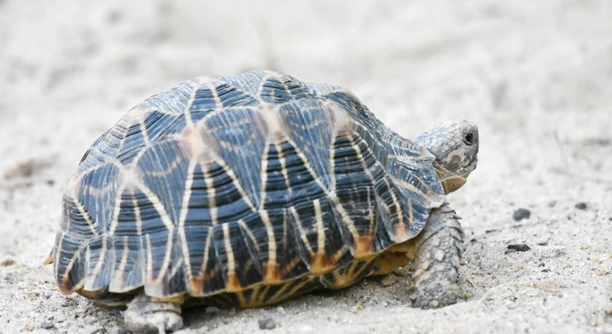
Turtles are fascinating creatures, but sometimes their behavior can leave us puzzled. One such behavior is when they make strange clicking sounds. Understanding these noises can help us care for our shelled friends better.
The clicking sounds your turtle makes are often a sign of a respiratory issue, such as an infection. This can occur when the turtle’s immune system is weakened, possibly due to stress, poor water quality, or incorrect temperature.
Paying attention to the clicking sounds and other behavior signs can help you prevent more serious health issues for your turtle. Identifying the cause early makes it easier to provide the right care.
Common Causes of Clicking Sounds
Turtles make clicking sounds for several reasons, but one of the most common is a respiratory infection. This can happen when your turtle’s environment isn’t ideal, such as poor water quality or the wrong temperature. These factors can stress your turtle’s immune system, leaving it vulnerable to bacteria or fungi that cause infections. Poor diet and exposure to drafts can also contribute to respiratory problems. These infections often come with other symptoms like wheezing, lethargy, or swollen eyes, so it’s important to watch for these signs.
If your turtle’s clicking sound is persistent or becomes worse, it’s a clear sign that medical attention is needed. A vet specializing in reptiles can confirm the diagnosis and recommend treatment, such as antibiotics or changes in habitat. Keeping the habitat clean, ensuring proper temperature, and feeding your turtle a balanced diet can help reduce the risk of these infections.
The health of your turtle’s respiratory system depends largely on the conditions in its tank. Keeping water clean, maintaining proper temperatures, and providing enough space to move around can prevent a lot of health issues. Regularly checking water parameters like pH and ammonia levels can make a huge difference.
When to See a Vet
Sometimes, the clicking sound doesn’t go away on its own and can indicate something more serious.
A vet is crucial when symptoms persist. Respiratory infections, if untreated, can lead to more severe health problems like pneumonia, which can be fatal for turtles. A visit to the vet is always best if you notice that your turtle isn’t eating or acting normal in addition to the clicking sounds.
Poor Water Quality
If your turtle’s water is dirty, it can quickly lead to respiratory problems. Turtles spend a lot of time in the water, and poor water quality can stress their immune systems. Ammonia from waste and leftover food can build up and cause irritation. This might lead to infections, with clicking sounds being one of the first signs.
To prevent this, make sure to change the water regularly and keep the filtration system in good working condition. A well-maintained filter will help remove harmful substances and keep the water clean. You should also spot clean the tank daily to remove waste that can pollute the water and stress your turtle.
If you don’t maintain the water quality, bacteria can flourish and lead to infection. Test the water’s ammonia, nitrate, and pH levels frequently to keep them within safe ranges. A clean environment not only prevents respiratory issues but also promotes overall health for your turtle.
Temperature Issues
Your turtle’s tank temperature plays a huge role in its health. If the temperature is too high or low, it can weaken your turtle’s immune system. Turtles are cold-blooded, meaning their body temperature is influenced by their environment. When the tank temperature isn’t optimal, your turtle might become sluggish, stressed, and vulnerable to respiratory infections.
To keep your turtle healthy, maintain a temperature range of 75–85°F (24–29°C) for the water. A basking spot should be around 90°F (32°C). Ensure you have a good thermometer to monitor these conditions. Too cold of a tank can cause your turtle’s immune system to weaken, making it more likely to develop respiratory problems that result in clicking sounds.
Having a heater in the water and a UVB light for basking is essential to regulate the temperature and provide the proper lighting. A well-balanced environment makes a significant difference in preventing health issues. Always monitor the conditions, as a small change can affect your turtle’s well-being.
Stress
Stress is another common reason turtles make clicking sounds. Changes in their environment, such as loud noises, overcrowded tanks, or inconsistent routines, can cause anxiety. This stress weakens their immune system, making them more susceptible to infections that can lead to respiratory issues and clicking sounds.
If your turtle is acting out of character or seems unusually shy, stress might be the cause. To help reduce stress, maintain a calm environment, keep the tank clean, and avoid handling your turtle too often. Give it a space where it feels safe and secure.
Creating a stress-free environment helps improve your turtle’s health. Providing hiding spots and avoiding sudden changes in temperature or water quality can go a long way in reducing anxiety. Stress relief is key to keeping your turtle healthy and preventing further health problems.
Diet and Nutrition
A poor diet can also affect your turtle’s health, leading to respiratory problems. If your turtle isn’t getting the proper nutrients, its immune system may weaken, leaving it more vulnerable to infections. A balanced diet rich in vitamins and minerals can help strengthen its body and resist illness.
Feeding your turtle a variety of foods like leafy greens, protein sources, and turtle pellets ensures they get the nutrients they need. Offering a mix of vegetables and occasional fruits provides essential vitamins, while protein from insects or fish is key to their development.
Overfeeding or offering the wrong types of food can also cause issues like obesity, making it harder for your turtle to stay healthy. A well-balanced diet plays a large role in preventing respiratory problems, which may manifest as clicking sounds.
Infections
Respiratory infections are one of the main reasons for clicking sounds in turtles. These infections often occur due to bacteria, fungi, or viruses in an environment that’s too cold or wet. These pathogens can quickly take hold and cause issues if not addressed early.
Symptoms of respiratory infections include coughing, nasal discharge, and lethargy, in addition to the clicking noise. If you notice these signs, a visit to the vet is necessary for proper diagnosis and treatment. Early intervention can prevent the infection from worsening.
FAQ
Why is my turtle making clicking sounds?
Clicking sounds in turtles are most often a sign of a respiratory infection. These infections are caused by bacteria, viruses, or fungi that thrive in improper environmental conditions. Common causes include poor water quality, incorrect temperatures, and stress. If the clicking sounds are persistent or accompanied by other symptoms like wheezing, lethargy, or swollen eyes, it’s best to take your turtle to a vet for a proper diagnosis.
How can I tell if my turtle has a respiratory infection?
Aside from clicking sounds, respiratory infections in turtles can cause symptoms like nasal discharge, wheezing, lethargy, and difficulty breathing. If your turtle is having trouble swimming, basking, or eating, these could also be signs of an infection. It’s important to look for changes in behavior or physical signs like puffed-up eyes or open-mouth breathing. A vet will provide the most accurate diagnosis.
What should I do if my turtle is making clicking sounds?
If you notice clicking sounds, first check your turtle’s environment. Ensure that the water temperature is within the correct range (75-85°F for the water, 90°F for basking), and the water quality is optimal. Make sure the tank is clean, the filter is working, and the water is free from ammonia or other harmful substances. If the clicking continues, consult a vet to rule out respiratory infections and other potential health problems.
Can stress cause clicking sounds in my turtle?
Yes, stress can contribute to clicking sounds in turtles. Stress weakens their immune system, making them more susceptible to infections, including respiratory ones. Stress can result from various factors like overcrowded tanks, sudden changes in temperature, noisy environments, or frequent handling. Creating a calm, stable environment with plenty of hiding spots can help reduce stress and its impact on your turtle’s health.
What is the best way to clean my turtle’s tank?
Regular cleaning of your turtle’s tank is essential to prevent the buildup of harmful bacteria and ammonia, which can lead to health issues, including respiratory infections. Clean the tank at least once a week, changing 25-50% of the water each time. Scrub the tank walls, decorations, and the filter, removing any algae or debris. A good filtration system is also important to keep the water clean between water changes. Regular cleaning helps maintain a safe environment for your turtle and reduce the risk of infections.
Can poor diet cause my turtle to make clicking sounds?
A poor diet can weaken your turtle’s immune system, making it more prone to respiratory infections, which can lead to clicking sounds. Turtles need a balanced diet with vegetables, proteins, and vitamins to stay healthy. Offering a variety of foods such as leafy greens, protein-rich insects, and occasional fruits will provide the necessary nutrients. Be careful not to overfeed or provide too many high-fat foods, as this can lead to obesity and other health issues.
How do I know if my turtle is stressed?
Signs of stress in turtles include hiding more than usual, not eating, being more aggressive, or swimming in circles. A stressed turtle may also show a decline in its activity levels, become lethargic, or try to escape from the tank. Environmental factors like overcrowding, loud noises, or sudden temperature changes can cause stress. Monitoring your turtle’s behavior and ensuring its environment is calm and comfortable will help reduce stress-related health issues.
What is the right temperature for my turtle’s tank?
The water temperature for your turtle should be between 75 and 85°F (24-29°C). The basking area should be slightly warmer, around 90°F (32°C). A thermometer should be used to monitor these temperatures accurately. If the temperature is too low, your turtle may become sluggish and more susceptible to illness. If it’s too high, it can cause stress and other health issues. Ensure that your turtle has access to both a warm basking spot and cooler water areas to maintain its health.
How can I prevent respiratory infections in my turtle?
To prevent respiratory infections, keep your turtle’s tank clean with regular water changes and proper filtration. Make sure the water temperature is within the ideal range and that the basking area is warm enough. Ensure that your turtle is not exposed to drafts or sudden temperature changes, as these can weaken its immune system. A balanced diet and a stress-free environment are also key factors in preventing infections. Regular checkups with a vet can help catch any issues early.
When should I take my turtle to the vet for clicking sounds?
If your turtle’s clicking sounds persist for more than a couple of days or are accompanied by other symptoms like nasal discharge, difficulty breathing, or lethargy, it’s time to see a vet. Respiratory infections can worsen if left untreated, and it’s important to get an accurate diagnosis and treatment. A vet will be able to assess the situation and provide the proper medication or advice to help your turtle recover. Early intervention is always the best approach.
Final Thoughts
Turtles are resilient creatures, but they can sometimes face health challenges that may cause concern for their owners. If your turtle is making clicking sounds, it’s important to pay attention to their overall behavior and environment. While it can be a sign of something as simple as stress or a poor diet, it’s often a warning of a respiratory infection, which can be serious if left untreated. By maintaining proper tank conditions, providing a balanced diet, and reducing stress factors, you can help your turtle stay healthy and reduce the likelihood of respiratory issues.
Regular maintenance of your turtle’s tank is key to preventing health problems. Make sure the water quality is high, the temperature is suitable, and the tank is clean. A good filtration system will help keep the water free of harmful bacteria that could cause infections. Testing the water regularly for ammonia, nitrate, and pH levels is a good practice to ensure your turtle’s environment is safe. Proper lighting and heating are also essential to keep your turtle’s immune system strong and prevent stress. When these factors are in balance, your turtle is more likely to remain healthy and happy.
If your turtle continues to make clicking sounds despite environmental adjustments, it’s crucial to consult with a vet. Respiratory infections need prompt treatment to avoid further complications. Don’t ignore signs of illness or unusual behavior, as early intervention is always the best option. By providing proper care, paying attention to their needs, and seeking medical advice when necessary, you can help your turtle live a long and healthy life.

Hello,
If you enjoy the content that we create, please consider saying a "Thank You!" by leaving a tip.
Every little bit helps us continue crafting quality advice that supports the health, happiness, and well-being of pets around the world, for pets of all shapes, sizes, and species.
We really appreciate the kindness and support that you show us!