
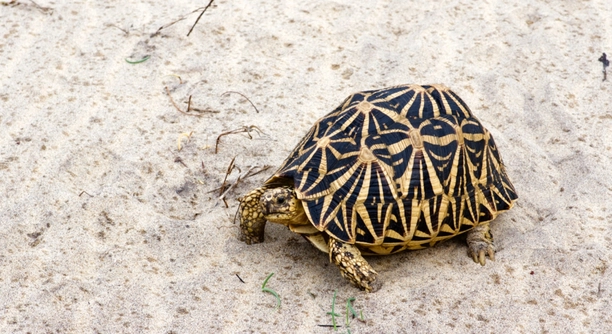
Turtles are fascinating creatures that grow at different rates depending on a variety of factors. Understanding what influences their growth is important to ensure their well-being. This article highlights seven key factors that can impact your turtle’s development.
Several factors affect a turtle’s growth rate, including diet, habitat conditions, genetics, and health. Proper care and attention to these aspects are essential in supporting a turtle’s natural growth and development. Neglecting these factors can slow down or stunt growth.
Taking the right steps can support your turtle’s healthy growth and overall quality of life. The next sections will discuss the key factors you should consider to ensure your turtle thrives and grows at a steady pace.
1. Diet and Nutrition
A turtle’s growth depends largely on what it eats. A well-balanced diet is essential for their development, and it can directly influence their size. Turtles need a variety of foods, including protein, vegetables, and calcium. For instance, younger turtles require more protein to grow faster, while older turtles need more vegetables and calcium for shell health. Without the right nutrients, turtles may experience stunted growth, weak shells, or other health issues. Overfeeding or underfeeding can also have a negative impact on growth rates, leading to obesity or malnutrition.
The types of food you offer your turtle should be fresh and varied. It’s important to provide the right balance for their age and species.
Incorporating foods like leafy greens, shrimp, or fish into your turtle’s diet ensures they get the nutrients they need. Regularly offering the right amount of food and making sure the nutrition is suited to your turtle’s growth stage will help them develop properly. You should also avoid feeding them processed foods or anything high in fat. This will help prevent health issues that could slow down their growth rate.
2. Temperature and Habitat Conditions
A turtle’s environment plays a significant role in how fast it grows. If the temperature is too cold or too hot, it can affect their metabolism and slow down growth. Turtles are ectothermic, meaning they rely on external heat sources to regulate their body temperature. A tank that is too cold can make them sluggish, while extreme heat can stress them out.
To promote healthy growth, maintain a stable temperature range in your turtle’s habitat. Having a basking area that’s warmer and a cooler spot is important.
Proper lighting, such as UVB rays, is also crucial for calcium absorption, which is necessary for bone and shell growth. A well-maintained habitat ensures your turtle can grow at a natural pace without unnecessary stress. Regularly monitor the temperature and humidity to create an environment that encourages optimal growth. Proper conditions can help prevent stunted development or other issues related to an unsuitable habitat.
3. Genetics
A turtle’s genetic makeup plays a significant role in its growth rate. Some species naturally grow faster than others due to inherited traits. Even within the same species, individual turtles may have different growth patterns. Genetics can affect the size of a turtle’s shell, how quickly it matures, and its overall health.
While you can’t change a turtle’s genetics, understanding their natural growth pattern helps manage expectations. It’s important to note that slower growth isn’t necessarily a sign of poor health.
Turtles with slower growth rates might still grow to full size, just at their own pace. However, if growth appears abnormal or stunted, it’s worth investigating their environment, diet, and health to ensure no other factors are hindering their development. Monitoring your turtle’s growth closely helps you recognize when something may need adjusting to support their genetic potential.
4. Health and Illness
Turtles suffering from illness or injury can experience slower growth rates. Infections, parasites, and other health conditions can divert the energy needed for growth toward recovery instead. A turtle with an untreated infection might stop eating, causing weight loss and stunted development.
Regular health check-ups are essential. If you notice signs like lethargy, loss of appetite, or abnormal behavior, it’s best to seek veterinary advice. Even minor health issues can impact growth over time.
Proper care, a clean environment, and a balanced diet are necessary to avoid health problems. Addressing health concerns early on can prevent long-term issues that affect your turtle’s growth. Keeping your turtle in good health ensures they can reach their full growth potential.
5. Water Quality
Water quality is crucial to your turtle’s growth. Poor water conditions can lead to stress and infections, slowing down growth. High levels of ammonia or nitrites in the water can irritate their skin and eyes, while dirty water can cause other health issues.
Regular water changes and filtration help maintain a clean and safe environment. It’s important to test the water regularly to ensure it is within the correct pH range and free of harmful chemicals. This simple step can make a big difference in your turtle’s overall health and growth rate.
A clean tank promotes better digestion, less stress, and overall healthier growth. Regularly maintaining water quality ensures your turtle has the best chance at reaching its full potential.
6. Activity Level
Turtles that have room to roam and exercise will typically grow more efficiently. A lack of physical activity can cause slower muscle development and stunted growth. Giving your turtle enough space and items to encourage movement will support healthy physical development.
Regular swimming and basking help promote a healthy growth rate. A larger enclosure with both dry and aquatic areas encourages your turtle to stay active. This activity also helps with digestion and maintaining proper health, both of which support faster growth.
A stagnant lifestyle can negatively impact your turtle’s metabolism and growth, making physical space important for their overall well-being.
FAQ
How fast do turtles grow?
The growth rate of turtles varies depending on species, diet, and environmental conditions. Some turtles grow quickly during their first few years, while others may grow at a slower pace throughout their lives. Generally, baby turtles grow faster, with growth slowing down as they mature. On average, a turtle may grow 1-2 inches per year in the early stages, though this can vary.
Why is my turtle not growing?
If your turtle is not growing as expected, it may be due to several factors. Poor diet, inadequate temperature, or poor water quality could all be contributing to slow growth. Genetics also play a role, as some turtles naturally grow slower. Illness or stress can also hinder growth, so ensure your turtle’s health is properly monitored.
How do I know if my turtle is growing at a healthy rate?
You can track your turtle’s growth by regularly measuring its shell length and comparing it to the average growth rate for its species. Monitoring their overall health, energy levels, and appetite is also key. A turtle that is eating well, moving actively, and showing no signs of illness is likely growing at a healthy rate. If you notice any changes in behavior or size, it’s worth investigating the cause.
Can I speed up my turtle’s growth?
While you cannot directly speed up a turtle’s growth beyond its natural pace, you can optimize the conditions that support healthy development. Providing a balanced diet, proper habitat temperatures, good water quality, and ample space for exercise will ensure your turtle grows at a healthy rate. Avoid overfeeding or underfeeding, as both can cause health problems.
What happens if my turtle grows too slowly?
If your turtle grows too slowly, it could indicate underlying health issues such as malnutrition, poor water quality, or environmental stress. In some cases, slow growth is simply a result of genetic factors, but it’s important to monitor for signs of illness. If your turtle shows no improvement after adjustments, consulting a veterinarian is recommended.
What temperature is best for a turtle’s growth?
Turtles need a warm environment to thrive and grow. The ideal temperature range for most species is between 75-85°F (24-29°C) for the water and slightly warmer temperatures (85-90°F or 29-32°C) for the basking area. Make sure your tank has a temperature gradient so your turtle can regulate its body heat. Temperatures outside this range can lead to slower growth or health issues.
Does my turtle need UV light to grow?
Yes, UVB light is essential for a turtle’s growth. UVB light helps turtles synthesize vitamin D3, which is necessary for calcium absorption. Without proper UVB lighting, a turtle’s bones and shell may become weak, and its growth will be hindered. Make sure to provide UVB lighting for 10-12 hours a day, and replace bulbs regularly to maintain effectiveness.
How much should I feed my turtle for optimal growth?
Feeding the right amount is crucial for healthy growth. Baby turtles require more protein to support rapid growth, while adult turtles need more vegetables and calcium-rich foods. Overfeeding can lead to obesity, while underfeeding can cause malnutrition and stunted growth. Offer food in moderation and ensure a balanced diet tailored to your turtle’s age and species.
Is it normal for my turtle’s growth to slow down as it ages?
Yes, it is normal for a turtle’s growth to slow down as it matures. Juvenile turtles tend to grow quickly, while adults experience slower growth rates. Once they reach their full size, growth may only occur in small increments. However, as long as your turtle remains healthy, slow growth as they age is completely natural.
What diseases can affect my turtle’s growth?
Various diseases can impact a turtle’s growth, including metabolic bone disease, respiratory infections, and parasites. These conditions can hinder the absorption of nutrients, leading to slow or stunted growth. If your turtle shows signs of lethargy, poor appetite, or shell deformities, it may be suffering from a health issue. A vet visit is important to diagnose and treat the problem.
Can I house multiple turtles together for better growth?
While it’s possible to house multiple turtles together, overcrowding can lead to stress, aggression, and health problems that can affect growth. Make sure your tank is large enough to accommodate each turtle’s space needs. It’s also essential to monitor interactions to prevent fighting, as this can also impact their overall health and growth rate.
Final Thoughts
Turtle growth is influenced by a variety of factors, and understanding these elements can help ensure your turtle develops properly. Providing a well-balanced diet, maintaining the right environmental conditions, and keeping track of your turtle’s health are all key to supporting healthy growth. As turtles grow slowly over time, it is important to remain patient and observe their progress carefully. Make sure they have access to clean water, proper lighting, and enough space to move around, as these factors play a significant role in their overall well-being.
While some turtles may grow at different rates due to genetic factors, many of the issues that affect growth can be managed with attention to their care. If you notice slow growth or any signs of illness, addressing the cause early can prevent bigger problems down the road. Regular health checks, a balanced diet, and the right environment will ensure your turtle has the best chance to grow at a healthy pace. This may require small adjustments as they age, but knowing what to watch for can make a significant difference.
Ultimately, every turtle is unique. Some may grow faster than others, and that’s okay. The key is to support their growth in a way that promotes long-term health and happiness. Keep their habitat clean, provide proper nutrition, and monitor their health regularly. With the right care, your turtle will grow into a strong, healthy companion over the years.

Hello,
If you enjoy the content that we create, please consider saying a "Thank You!" by leaving a tip.
Every little bit helps us continue crafting quality advice that supports the health, happiness, and well-being of pets around the world, for pets of all shapes, sizes, and species.
We really appreciate the kindness and support that you show us!