
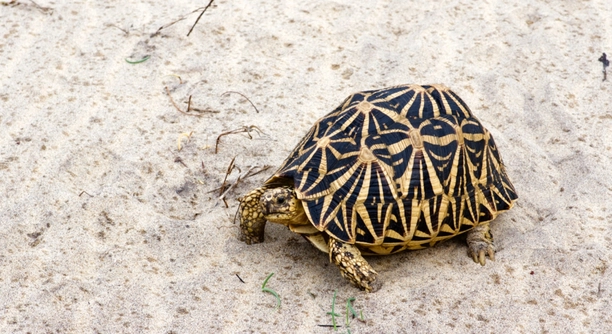
Turtles are resilient creatures, but shell damage can significantly impact their well-being. Understanding the ways to support their recovery is crucial. Taking appropriate actions can help them heal and regain their strength.
The recovery of a turtle from shell damage involves providing proper care, nutrition, and medical attention. It’s essential to ensure the shell remains clean, stable, and protected from further harm. Regular monitoring and appropriate veterinary treatment are vital for a full recovery.
With the right approach, you can make a significant difference in a turtle’s healing process. The following steps will guide you in supporting your turtle’s recovery.
Providing a Safe Space for the Turtle
When a turtle sustains shell damage, creating a safe and calm environment is essential for its recovery. A quiet, warm place will help reduce stress, which can slow healing. Avoid overcrowding the enclosure and keep it free from excessive handling. Place the turtle in a secure, well-maintained tank with soft bedding that will not irritate the damaged shell. Make sure the tank is large enough for the turtle to move freely but not too large that it becomes difficult to monitor the turtle’s condition. This controlled environment will help the turtle recover more efficiently.
The turtle’s health improves when it feels secure and stress-free. A peaceful environment supports natural healing processes. Keeping the surroundings as comfortable as possible encourages recovery.
During the recovery period, it is also crucial to monitor the water temperature and cleanliness. The water should be warm enough to allow the turtle to bask and thermoregulate. Keeping the water clean is vital, as bacteria can worsen the condition of the damaged shell. Avoid placing any sharp objects or rough surfaces in the tank that could cause further injury. It’s best to use a soft cloth to clean the shell carefully to avoid additional damage.
Proper Nutrition for Healing
Providing a proper diet is vital when a turtle is recovering from shell damage. Feeding a variety of high-quality, nutritious foods can help support the healing process. Include leafy greens, vegetables, and protein sources, such as insects or fish. Proper nutrition will aid in tissue regeneration and boost the turtle’s immune system. A balanced diet is key to ensuring the turtle has the necessary nutrients for healing.
The right food can make a significant difference in the turtle’s health. A diet that is rich in calcium and vitamins helps strengthen the shell over time.
Along with nutritious food, you may need to supplement the turtle’s diet with calcium. Shells are made of calcium, so it’s crucial to ensure the turtle is receiving enough to support bone growth. Calcium supplements can be provided in powder form, sprinkled over the food, or as calcium-rich foods like cuttlebone. Vitamin D3 is also necessary for calcium absorption, so ensuring adequate exposure to light will help in this regard. Consult a veterinarian if you’re unsure about specific dietary needs during recovery. The right nutrients will help strengthen the turtle’s shell and promote overall well-being.
Keeping the Shell Clean and Protected
Cleaning the turtle’s shell is essential to prevent infection. Use a soft cloth or sponge to gently wipe the shell, removing any debris or dirt. Avoid harsh chemicals or abrasives, as they can harm the shell. Clean the shell regularly to maintain hygiene, but be gentle to avoid causing further damage.
If the shell is cracked or injured, it’s important to avoid exposing it to dirty water or unsanitary conditions. Clean the tank frequently and ensure it stays free from harmful bacteria. Keeping the shell protected from contamination will help prevent infections and encourage faster healing. Make sure to provide a shallow water area where the turtle can bathe without fully submerging the damaged area.
When cleaning the shell, avoid using too much force or scrubbing the damaged areas directly. If there are deeper cracks or wounds, it’s best to consult a veterinarian. Keeping the shell clean without applying pressure to the damaged areas will help the turtle heal properly.
Veterinary Care and Medical Attention
In some cases, professional veterinary care is necessary to ensure proper healing. A veterinarian experienced in treating reptiles can assess the damage to the turtle’s shell and provide specialized treatment. Depending on the severity of the injury, the veterinarian may suggest medical interventions such as antibiotics, pain relief, or even surgery.
When seeking veterinary care, it’s important to choose a specialist who understands turtle anatomy and specific needs. A turtle’s shell is vital for protection and overall health, and a professional’s expertise will ensure the damage is properly treated. If the injury appears serious, don’t hesitate to visit a reptile vet as soon as possible.
For minor injuries, the veterinarian may recommend a topical antiseptic or bandaging to protect the wound while it heals. In cases where the injury has exposed the soft tissue of the turtle’s shell, surgical repair may be necessary to prevent further complications.
Limiting Movement During Recovery
Restricting the turtle’s movement during recovery helps prevent further injury. By limiting activity, you allow the shell to heal without additional strain. Create a space where the turtle can rest and move around without risking further damage to the shell.
Preventing unnecessary movement is essential for healing. You can achieve this by adjusting the tank size or creating barriers that restrict movement. This will give the turtle time to rest while ensuring it’s not putting extra pressure on its damaged shell.
Limiting movement is especially important for turtles with cracked or broken shells. Ensuring they don’t move too much will reduce the risk of complications. Protecting the injured area by minimizing stress and strain will aid the recovery process.
Keeping the Turtle Warm
Maintaining proper warmth is essential for the turtle’s recovery. A heat source should be provided to help the turtle regulate its body temperature. Proper heating can support the healing process by promoting circulation and increasing overall activity. Turtles need warmth for their metabolism to function correctly.
Ensure that the temperature remains within the ideal range for the specific turtle species. The tank should have a warm basking spot, as well as a cooler area, so the turtle can choose its preferred temperature. Regularly check the water temperature to ensure it stays consistent.
A turtle’s body needs warmth to stay active and healthy, even during recovery. Keeping the environment consistently warm will help boost the turtle’s immune system and promote quicker healing.
Avoiding Further Shell Damage
When a turtle’s shell is injured, it’s important to prevent any additional damage. Avoid placing objects in the tank that could further harm the turtle. Sharp items or rough surfaces should be removed to reduce injury risks.
Regularly inspect the tank for potential hazards, including sharp decorations or objects that could damage the turtle’s shell further.
FAQ
How can I tell if my turtle’s shell is damaged?
If a turtle’s shell is damaged, you may notice cracks, splits, or soft spots. The shell may look deformed or uneven, and it could appear swollen or discolored. If the damage is severe, you may see exposed tissue beneath the shell. In some cases, the turtle may also be more lethargic than usual or have difficulty moving. If you suspect shell damage, a veterinary checkup is crucial for proper diagnosis and treatment.
What should I do if my turtle’s shell is cracked?
If your turtle’s shell is cracked, clean the area gently with warm water. If the crack is minor, you may need to apply an antiseptic ointment to prevent infection. For more significant cracks, contact a reptile vet for further treatment. The vet may recommend bandaging, a special sealant, or even surgery depending on the severity of the damage. Never attempt to seal a large crack on your own without professional advice.
Can I use a bandage on my turtle’s shell?
Yes, in some cases, a bandage may be used to protect the damaged area and keep it clean. However, it’s essential that the bandage isn’t too tight, as it could cause discomfort or restrict movement. A vet should be consulted for proper guidance on using a bandage, particularly for serious injuries. The bandage will also need to be changed regularly to prevent infection.
Should I remove the damaged shell pieces?
If pieces of the turtle’s shell are loose or broken off, you should never attempt to remove them on your own. Doing so can cause further injury and lead to infection. It’s essential to have a vet assess the injury and determine the best course of action. If necessary, the vet will remove the damaged pieces in a controlled, sterile environment.
How long will it take for my turtle’s shell to heal?
The healing time for a turtle’s shell depends on the severity of the injury and the care provided. Minor cracks or abrasions can take a few weeks to heal, while more severe injuries may take months. Consistent monitoring and veterinary care are crucial for ensuring proper healing. Always give the turtle ample time to recover and avoid handling it unnecessarily during this period.
What should I feed my turtle to help it heal?
To support healing, feed your turtle a balanced diet rich in calcium and vitamins. Leafy greens, vegetables, and protein such as insects or fish are essential. Calcium supplements, like cuttlebone, may be needed to strengthen the shell. Make sure to consult a vet for specific dietary recommendations based on the turtle’s species and injury.
Can my turtle still swim with a damaged shell?
If the shell damage is minor, the turtle may still swim and move around. However, if there are significant cracks or wounds, it may be best to restrict swimming to avoid further injury and infection. Keeping the turtle in a dry, safe space while it heals is often recommended. Always monitor your turtle’s activity level and consult a vet if you’re unsure whether swimming is safe.
How do I clean my turtle’s shell during recovery?
To clean a turtle’s shell, use a soft cloth or sponge and warm water. Avoid scrubbing the damaged area too harshly. Clean the shell gently to remove dirt and debris, as keeping it clean reduces the risk of infection. Be cautious when cleaning the shell, especially if it has deep cracks or open wounds. If the injury is severe, follow your vet’s advice on shell care.
Can I use regular antibiotics on my turtle?
No, you should never use regular antibiotics intended for humans or other animals on your turtle without professional guidance. Turtles require specific treatments for their wounds, and the wrong medication can harm them. Always seek advice from a reptile vet, who can prescribe antibiotics and other medications appropriate for turtles.
What if the damage is causing my turtle pain?
If you believe your turtle is in pain, contact a veterinarian immediately. Turtles can experience discomfort from shell injuries, and pain management may be necessary. A vet will be able to assess the level of pain and prescribe appropriate pain relief, ensuring the turtle’s recovery process is as smooth and comfortable as possible.
Should I keep my turtle in a tank during recovery?
Yes, a tank is often the best place for a turtle during recovery, as it allows for controlled temperature and humidity levels. However, ensure that the tank is clean and free from sharp objects that could cause further harm. Limit the turtle’s movement if necessary to avoid strain on its injured shell. Consult a vet for advice on the most suitable recovery environment for your specific turtle.
Can shell damage cause long-term effects on my turtle?
Depending on the severity of the injury, shell damage can have long-term effects. Minor injuries may heal without lasting consequences, but severe damage can lead to deformities, weakened shells, or increased vulnerability to infections. Regular veterinary care and proper nutrition are key to minimizing these risks. Long-term monitoring may be required to ensure the shell continues to heal correctly.
Is it safe to let my turtle bask while recovering?
Basking is essential for a turtle’s health, but during recovery from shell damage, it’s important to limit exposure to the sun or heat source. If the damage is minor, short basking sessions may be okay, but if the injury is severe, it’s best to limit exposure to avoid stress or further damage. Ensure the turtle has a safe, comfortable spot to bask and monitor it closely.
Can my turtle recover fully from a shell injury?
Many turtles can recover fully from shell injuries with proper care and time. However, the degree of recovery depends on the severity of the injury and how well it is treated. Minor injuries often heal completely, while more severe ones may leave permanent marks. Regular veterinary visits and proper home care are key to a successful recovery.
Final Thoughts
Taking care of a turtle with shell damage requires patience and attention to detail. Whether the injury is minor or severe, the goal should always be to minimize stress and provide the best conditions for recovery. Turtles have a unique way of healing, and their shells are vital to their survival and well-being. Ensuring that your turtle’s environment is clean, safe, and properly maintained is key to helping it recover.
It’s important to consult a vet as soon as possible if you notice any signs of shell damage. Even if the injury seems minor, a professional can help determine the best treatment plan. In many cases, early intervention can make all the difference in how well the turtle heals. If the injury is more severe, the vet can guide you through proper care, including possible medications, bandaging, or other treatments. The vet can also help ensure that the turtle’s diet supports shell healing.
Lastly, remember that healing takes time. Turtles may need weeks or even months to fully recover, depending on the injury’s severity. During this time, be sure to monitor your turtle’s behavior, watch for signs of infection, and follow the vet’s advice. With the right care, your turtle can make a full recovery and continue to thrive. Always be patient, as the process can be slow, but each step toward healing is important.

Hello,
If you enjoy the content that we create, please consider saying a "Thank You!" by leaving a tip.
Every little bit helps us continue crafting quality advice that supports the health, happiness, and well-being of pets around the world, for pets of all shapes, sizes, and species.
We really appreciate the kindness and support that you show us!