
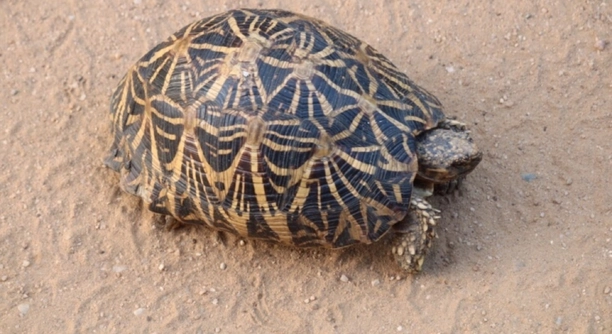
Turtles are unique creatures, and as a pet owner, you might wonder if your turtle is truly happy and healthy. It’s important to understand the signs that show they are thriving in their environment.
Several signs indicate that your turtle is happy and healthy. These include active behavior, good appetite, clear eyes, proper shell condition, and consistent basking. A healthy turtle also enjoys swimming and interacts well with its environment.
By recognizing these signs, you can ensure your turtle’s well-being and adjust their care routine as needed. Understanding their behavior is key to a long, happy life.
Active Behavior and Exploration
One of the clearest signs your turtle is happy and healthy is its active behavior. Turtles that are well-cared for tend to be curious and explore their surroundings. Whether it’s swimming in the tank, climbing onto a rock, or moving around the habitat, an active turtle shows engagement and alertness. When turtles feel secure in their environment, they will frequently move around rather than remain stationary for long periods.
An active turtle is a healthy one, so if you notice your turtle is more energetic, it’s likely a good sign.
If your turtle is not moving around as much or appears lethargic, it may be a sign of stress or illness. Turtles can become inactive due to factors like improper water temperature, inadequate lighting, or poor diet. Ensuring that your turtle has a proper habitat with the right conditions for movement will help maintain its energy and health. Regular interaction and proper care will also encourage your turtle to stay active.
Proper Diet and Feeding Habits
A healthy appetite is another important indicator of your turtle’s health. Healthy turtles are typically eager to eat and show interest in food. They have a balanced diet that includes a variety of fresh vegetables, proteins, and sometimes even fruits. It’s crucial to feed your turtle the right foods for its species to keep it strong and energetic.
If your turtle is eating well, you are providing the nutrients it needs to thrive. However, if you notice a lack of appetite, it could indicate health issues such as improper water conditions or stress. Keep an eye on its eating habits and consult a vet if concerns arise.
Clear Eyes and Healthy Shell
Clear, bright eyes are a sign your turtle is in good health. If your turtle’s eyes are cloudy, swollen, or discolored, it may be suffering from an infection or poor living conditions. Healthy eyes show alertness and a clear reflection.
Maintaining the right water conditions helps prevent eye infections in turtles. Dirty water can lead to eye problems and even respiratory issues. Regular water changes, along with proper filtration, will help ensure your turtle stays healthy. A turtle with clear eyes is likely in a stress-free, clean environment.
Similarly, check your turtle’s shell regularly for any cracks, discoloration, or soft spots. A healthy shell should be hard and smooth. Any abnormalities can indicate poor nutrition or infection. Providing your turtle with a balanced diet and proper UVB lighting is essential for shell health.
Basking Behavior
Basking is an essential part of your turtle’s daily routine. A happy turtle will spend time basking under a heat lamp, warming itself and drying out its shell. This behavior helps regulate its body temperature and promotes overall health.
If your turtle isn’t basking as usual, it may be a sign that it’s uncomfortable in its habitat. Make sure the basking area is set to the proper temperature and that your turtle can easily access it. Turtles that don’t bask may experience shell rot or become stressed. Having a warm, dry area for basking encourages your turtle to follow its natural instincts.
Consistent Swimming
A happy turtle will swim actively and confidently, showing no signs of distress. Swimming is a natural behavior, and it’s important for a turtle’s physical and mental health. If your turtle is swimming normally, it’s a sign that it’s content in its environment.
If your turtle is floating or struggling to swim, it could have an issue with its buoyancy or be affected by an illness. Keeping the water clean and the proper temperature will promote healthy swimming. Turtles that swim easily and often are likely happy and comfortable in their space.
Healthy Skin and Shell Condition
A healthy turtle’s skin should appear smooth and free from abrasions or lesions. If your turtle’s skin looks dry, cracked, or flaky, it may be a sign of dehydration or a dietary imbalance. Proper hydration and nutrition are essential to keeping its skin in good condition.
Your turtle’s shell also plays a major role in its overall health. The shell should not be soft, discolored, or have any visible signs of damage. Maintaining proper UVB lighting and a balanced diet rich in calcium will help your turtle’s shell stay strong and healthy.
Regular Interaction
Turtles are often independent creatures, but they still benefit from regular interaction with their owners. Turtles that are comfortable with their owners may recognize you and show curiosity when you approach. Regular handling, in moderation, can help strengthen your bond and provide mental stimulation for your turtle.
FAQ
How can I tell if my turtle is stressed?
Turtles can show signs of stress through changes in behavior, such as excessive hiding, lack of appetite, or swimming in circles. If your turtle becomes lethargic or stops basking, it may be stressed. Other signs include aggressive behavior, such as biting or scratching, which can indicate discomfort. Stress in turtles can be caused by poor water quality, incorrect temperature, or a lack of hiding spaces. Regularly cleaning the habitat and ensuring it meets the turtle’s needs will help reduce stress.
Why is my turtle not eating?
A loss of appetite can be caused by several factors. Turtles might refuse food due to stress, improper water temperature, or illness. Changes in diet or environmental conditions can also impact their eating habits. If your turtle has been inactive or shows other signs of illness, it may need medical attention. Try offering a variety of foods, such as vegetables, protein, and live prey, to see if it sparks their interest. If your turtle continues to refuse food, a vet visit may be necessary.
Is it normal for my turtle to sleep a lot?
Turtles, like many reptiles, sleep for long periods, especially during the night. However, if your turtle seems to be sleeping excessively during the day, it could indicate an issue. A lack of energy or constant lethargy may be a sign of illness or poor water conditions. Make sure the temperature in their basking area is correct and that they have access to adequate UVB light. Turtles need this to regulate their circadian rhythm and maintain proper health.
How often should I feed my turtle?
The frequency of feeding depends on the turtle’s age and species. Young turtles typically need to be fed every day, while adult turtles can be fed every other day. Offer a mix of vegetables, protein, and other foods that are appropriate for your turtle’s species. Be mindful of overfeeding, as it can lead to obesity. Adjust their diet based on their activity level and growth, and consult a vet for specific dietary needs based on the type of turtle you own.
Can my turtle eat fruit?
Yes, turtles can eat fruit, but it should only be offered in moderation. Fruits contain high sugar content, which can lead to digestive problems if given too frequently. Offer fruits like berries, apples, or melons as a treat, and balance it with vegetables and protein sources. Avoid citrus fruits, as they can upset their digestive system. Always ensure that the fruit is cut into small, manageable pieces for your turtle to consume easily.
Why is my turtle’s shell soft?
A soft shell can be a sign of calcium deficiency or improper UVB lighting. Calcium is crucial for shell development, and a lack of UVB light can prevent your turtle from synthesizing vitamin D3, which is necessary for calcium absorption. Make sure your turtle has access to UVB light for 10-12 hours a day and provide a calcium supplement, either through food or a separate calcium block. If the condition persists, consult a veterinarian for further advice.
How can I clean my turtle’s tank?
Cleaning your turtle’s tank is important for maintaining a healthy environment. Change the water at least once a week, and clean the substrate (gravel, sand) regularly to prevent the buildup of waste. Use a water filter to keep the water clean between changes. Be sure to scrub the tank walls and decorations with a non-toxic cleaner to remove algae. Always ensure the water temperature and pH are appropriate for your turtle’s species.
Why is my turtle swimming in circles?
Swimming in circles can sometimes be a sign of stress or a neurological issue. Turtles may swim in circles if they feel confined or are not comfortable in their environment. This behavior could also be a result of improper water temperature or water quality. If the behavior persists, it’s important to evaluate their tank setup, make sure the temperature and lighting are correct, and consult a veterinarian if necessary.
How do I know if my turtle is healthy?
A healthy turtle will exhibit active behavior, a good appetite, and clear eyes. It will swim confidently, bask regularly, and have a hard, smooth shell. It should not show signs of lethargy, appetite loss, or discolored eyes. Regularly monitoring your turtle’s habits and health will help you notice any changes. Proper care, a balanced diet, and a clean habitat contribute to overall health. If you notice any unusual behaviors or symptoms, consult a vet.
What temperature should the water be for my turtle?
The water temperature depends on the species of your turtle, but generally, most aquatic turtles thrive in water temperatures between 75°F and 80°F (24°C to 27°C). Ensure the basking area is warmer, around 85°F to 90°F (29°C to 32°C). Use a water heater and thermometer to maintain these conditions. Providing the right temperatures will help your turtle stay active, eat well, and maintain its overall health.
Can I keep more than one turtle together?
It is possible to keep multiple turtles together, but it’s important to monitor their interactions closely. Turtles are territorial and may become aggressive, especially if there is not enough space in the tank. If you plan to keep more than one turtle, ensure the tank is large enough and that each turtle has access to food, basking areas, and hiding spots. If aggression occurs, it might be necessary to house them separately.
Final Thoughts
Taking care of a turtle requires attention to its needs and environment. From providing a suitable tank with the right temperature to feeding it a balanced diet, every aspect plays a role in your turtle’s health and happiness. Understanding the signs of a happy and healthy turtle can help ensure it thrives in your care. Regular observation and simple care routines will support your turtle’s well-being and help avoid potential issues.
It’s essential to create an environment that encourages natural behaviors. Turtles need space to swim, bask, and hide. Clean water, proper lighting, and appropriate tank size are the foundation of a healthy habitat. A well-maintained habitat also helps reduce stress and encourages active, healthy behaviors. By providing these basics, you can ensure your turtle’s long-term happiness. Regular check-ups with a vet also help catch any health concerns early, ensuring a better quality of life for your pet.
Remember that turtles have different needs based on their species. Some are aquatic, while others prefer dry land. Their diet and care requirements can also vary, so it’s important to understand the specific needs of your turtle. With the right knowledge and care, your turtle can live a long and fulfilling life as a happy and healthy companion.

Hello,
If you enjoy the content that we create, please consider saying a "Thank You!" by leaving a tip.
Every little bit helps us continue crafting quality advice that supports the health, happiness, and well-being of pets around the world, for pets of all shapes, sizes, and species.
We really appreciate the kindness and support that you show us!