
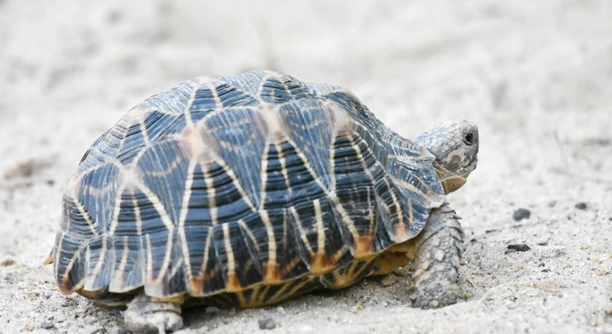
Turtles are fascinating pets, but sometimes they can seem a bit off, especially when they keep floating on one side. This odd behavior can be concerning, but it’s usually not something to panic about.
The most common cause for a turtle floating on one side is an issue with its buoyancy. This could result from an imbalance in its shell or internal organs, such as a respiratory infection or even a vitamin deficiency.
Understanding why your turtle is floating can help you take the right steps to fix the issue and make sure your turtle stays happy and healthy.
Possible Health Issues Behind One-Sided Floating
Turtles can float on one side due to various health problems. The most common ones are respiratory infections and shell issues, both of which can interfere with their buoyancy. A respiratory infection causes fluid to build up in the lungs, making it harder for your turtle to control its position in the water. Similarly, a damaged shell or an imbalance in its internal organs can throw off your turtle’s ability to stay balanced. This leads to the floating behavior you see. If left untreated, these issues can get worse and harm your turtle’s overall health.
When it comes to health problems, it’s always best to consult with a vet who specializes in reptiles. Respiratory infections can worsen quickly, and shell problems often need medical intervention.
The key to treating any health issue is early detection. Regular vet checkups, proper tank conditions, and a balanced diet can all help prevent these floating problems. If you notice that your turtle keeps floating on one side, take immediate action. Start by checking their shell for any visible damage and assess their behavior. If your turtle seems lethargic or shows other signs of illness, it’s time to take them to the vet.
Tank Conditions That Can Contribute
Aside from health problems, the conditions in your turtle’s tank can also affect how it floats. If the water temperature is too high or low, your turtle may struggle to regulate its buoyancy. Dirty water can also cause stress, making it harder for your turtle to swim correctly.
Inconsistent water conditions can cause more than just floating issues. Poor water quality can also lead to skin infections and other problems. Always monitor your turtle’s environment carefully to keep them comfortable and healthy.
Improper Diet and Vitamin Deficiency
A lack of key nutrients can also affect your turtle’s ability to swim and float properly. Vitamin deficiencies, particularly vitamin E, can lead to muscle weakness or issues with buoyancy. Without the right nutrition, your turtle may struggle to stay balanced in the water.
To address vitamin deficiencies, provide a varied diet that includes leafy greens, high-quality pellets, and the occasional protein source like insects or fish. If you’re unsure whether your turtle’s diet is meeting its nutritional needs, consult with a vet. Supplements can also help, but they should only be used under professional guidance to avoid overdosing.
Feeding your turtle the right food at the right amount is crucial. Overfeeding can lead to obesity, which will affect your turtle’s buoyancy. If your turtle is not eating a balanced diet, it may show signs of weakness, lethargy, or difficulty floating properly. Regular feeding and ensuring that their diet matches their specific species’ needs will help prevent future issues with floating. Always pay attention to their behavior and adjust their diet as necessary.
Respiratory Infections and How They Affect Buoyancy
Respiratory infections are one of the most common causes of a turtle floating on one side. These infections can lead to fluid build-up in the lungs, which causes breathing difficulties and can impact buoyancy. A turtle with a respiratory infection may also show signs of wheezing or struggle to breathe properly. If left untreated, the infection can worsen, affecting their ability to swim normally.
If you suspect your turtle has a respiratory infection, it’s important to act quickly. Take your turtle to a vet who specializes in reptiles for a proper diagnosis. Early treatment with antibiotics or other medications can help prevent the infection from spreading. Additionally, you can help your turtle by providing a warm, clean, and quiet environment to support their recovery.
A well-maintained habitat can prevent respiratory issues. Make sure your turtle’s enclosure is properly heated and that the water is clean. This helps boost your turtle’s immune system, reducing the likelihood of infections. Regular health checkups are also a good way to catch any potential problems before they become serious.
Shell Problems and Imbalance
Shell deformities or injuries can affect how a turtle floats. If a turtle’s shell is damaged or uneven, it may struggle to stay balanced in the water. This problem is often noticeable when your turtle floats on one side due to the uneven distribution of weight.
Shell damage can be caused by improper tank conditions, aggression from tank mates, or even falls. Regularly check for cracks or soft spots on your turtle’s shell to ensure they are safe. If you notice any abnormalities, a trip to the vet is necessary for proper treatment.
The Role of Tankmates
Sometimes, the issue of floating can be caused by aggression from other turtles or tankmates. When there’s too much competition or stress in the tank, your turtle may suffer from physical injury or stress that affects its buoyancy.
To avoid this, monitor interactions between your turtle and others. If you notice aggression, consider separating them or providing more space. Stress can cause your turtle to act unnaturally, including floating on one side or avoiding movement. Keeping the peace in the tank is important for your turtle’s health.
Tank Temperature and Floating
Tank temperature plays a big role in a turtle’s buoyancy. If the water is too cold or too warm, it can impact your turtle’s ability to maintain balance. A consistent temperature between 75°F and 85°F is ideal for most species.
FAQ
Why is my turtle floating on its back?
If your turtle is floating on its back, it could be a sign of an internal problem. One possible cause is an issue with its buoyancy control, which might be linked to a respiratory infection or an issue with the shell. When a turtle’s lungs fill with fluid, it can disrupt its ability to stay upright. Another reason could be that your turtle has an air pocket trapped under its shell. If you notice this behavior, it’s important to assess your turtle for signs of illness and take it to a vet for a checkup.
What should I do if my turtle is floating on one side?
If your turtle is floating on one side, it could indicate an imbalance in its body or a problem with its shell. This may happen due to a respiratory infection, shell deformity, or even improper diet. The best course of action is to check its tank conditions and ensure everything is within normal ranges. If the issue persists, consult a vet to check for any underlying health concerns.
Could my turtle’s diet be affecting its floating behavior?
Yes, an improper diet can lead to buoyancy issues. Turtles need a balanced diet that includes leafy greens, high-quality pellets, and the occasional source of protein like insects or fish. Vitamin deficiencies, particularly vitamin E, can weaken muscles and cause issues with swimming and floating. If your turtle isn’t getting the nutrients it needs, it can result in lethargy and an inability to stay balanced in the water.
How can I tell if my turtle has a respiratory infection?
If your turtle has a respiratory infection, you might notice signs such as labored breathing, wheezing, or bubbles coming from its nose. In severe cases, the turtle may appear lethargic, have a loss of appetite, or float in unusual ways. Respiratory infections can worsen quickly, so it’s important to consult a reptile vet as soon as possible for diagnosis and treatment. Proper tank conditions, like maintaining the correct temperature and humidity, can help prevent such infections.
Can my turtle’s tank conditions cause it to float oddly?
Yes, poor tank conditions can directly affect your turtle’s buoyancy. Water temperature that is too high or low, or dirty water, can cause your turtle stress and interfere with its ability to swim properly. The water temperature should be maintained between 75°F and 85°F, and the water should be cleaned regularly to prevent bacteria or parasites from affecting your turtle’s health. Make sure your turtle has access to both warm and cool areas in its tank to regulate its body temperature.
Is it normal for my turtle to float on its own occasionally?
Some floating is normal in healthy turtles. They naturally float to the surface from time to time, especially when basking or resting. However, if this behavior becomes excessive or if your turtle is floating in an unusual way (such as always on one side or on its back), it could indicate an underlying problem. It’s important to monitor your turtle’s behavior and intervene if you notice anything out of the ordinary.
Can my turtle’s shell cause it to float strangely?
Yes, an abnormal or damaged shell can impact your turtle’s buoyancy. If the shell is cracked, soft, or misshapen, it can cause the turtle to float on one side or have trouble staying balanced in the water. Shell deformities can be caused by injury, poor diet, or unhealthy living conditions. If you suspect your turtle’s shell is damaged, it’s best to visit a vet for an evaluation and possible treatment. Keeping your turtle’s tank clean and ensuring it has a balanced diet can help prevent shell problems.
How can I prevent my turtle from floating on one side?
To prevent your turtle from floating on one side, start by maintaining the right water temperature, cleanliness, and proper tank conditions. Ensure that your turtle has a balanced diet and is getting the necessary nutrients, including vitamins A, D, and E. Regular vet checkups are also important to catch any health problems early. Keep your turtle’s environment stress-free by providing enough space and considering whether there might be aggression from other tankmates.
What if my turtle’s shell is soft and it floats on one side?
A soft shell, combined with floating on one side, could be a sign of metabolic bone disease (MBD), which is caused by a calcium deficiency. This disease weakens the shell and bones, making it harder for the turtle to maintain buoyancy. If your turtle is showing signs of a soft shell, you should take it to a vet for diagnosis and treatment. Adding calcium supplements to its diet and ensuring proper UVB lighting can help prevent MBD.
What should I look for if my turtle is floating abnormally?
If your turtle is floating abnormally, first check its overall behavior. Are they lethargic, struggling to breathe, or avoiding food? If so, it could be a sign of a respiratory infection or other health problem. Additionally, check the shell for any visible damage. If you notice cracks, softness, or deformities, it could indicate shell issues. Finally, make sure the water temperature and conditions are ideal for your turtle’s species. If the problem continues, a vet consultation is highly recommended.
Final Thoughts
Seeing your turtle float on one side can be worrying, but it’s often a sign that something needs to be addressed. There are a variety of reasons why a turtle might float this way, from health issues like respiratory infections to environmental factors such as water temperature. Identifying the cause is key to providing the right care and preventing further problems. It’s important to pay close attention to other signs your turtle may be showing, such as changes in eating habits, lethargy, or difficulty breathing. By monitoring these behaviors, you can quickly catch any potential health issues and act fast.
Proper care and maintenance are essential in keeping your turtle healthy and preventing floating issues. Regular water changes, maintaining the right temperature, and ensuring your turtle has a balanced diet are the foundation of good turtle care. Don’t forget to check your turtle’s shell regularly for any signs of damage or softness. If you notice any issues or if the floating continues, don’t hesitate to reach out to a vet. A reptile veterinarian can help determine if there is an underlying health problem that needs treatment. Early intervention is important, as it can make a big difference in your turtle’s recovery and overall well-being.
Overall, the most important thing is to stay observant and proactive. Your turtle relies on you to provide a safe and healthy environment. With proper care and attention, you can help your turtle recover from any health issues and prevent future floating problems. Whether it’s adjusting their diet, improving their tank conditions, or seeking veterinary help, addressing the issue quickly will ensure your turtle remains healthy and happy. With the right steps, your turtle can continue to live a long, thriving life in its habitat.

Hello,
If you enjoy the content that we create, please consider saying a "Thank You!" by leaving a tip.
Every little bit helps us continue crafting quality advice that supports the health, happiness, and well-being of pets around the world, for pets of all shapes, sizes, and species.
We really appreciate the kindness and support that you show us!