
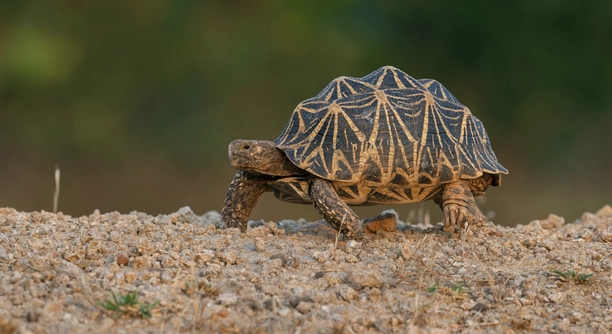
Pet turtles are wonderful companions, but they can also experience stress just like any other pet. Their well-being relies on many factors, and knowing what might upset them is key to keeping them happy and healthy.
Turtles can become stressed for various reasons, including improper habitat conditions, diet issues, lack of mental stimulation, or physical discomfort. Stress can lead to behavioral changes and health problems, so it’s important to address these concerns early.
By understanding what causes stress in turtles, you can improve their living environment and ensure they thrive. Keep reading to learn how to avoid common stressors and create a happier life for your pet turtle.
Improper Habitat Conditions
Turtles rely on a well-maintained environment to stay comfortable. If their tank is too small, dirty, or poorly set up, they can become stressed. A cramped space limits their ability to move freely, which can affect their overall health. They also need proper temperature control, with areas for basking and swimming. A poorly regulated temperature can make them sluggish or restless, which leads to stress.
A lack of hiding spots is another issue. Turtles feel safer when they can retreat to a quiet corner when they need rest. If there are no places for them to hide, they may become anxious and stressed out.
To create a proper habitat, make sure your turtle’s tank is big enough for them to move around. Use a good filtration system, provide areas to bask, and maintain the right temperature for both land and water. These simple steps can make a big difference in keeping your turtle calm and healthy.
Diet Issues
Your turtle’s diet is essential for its well-being. If they aren’t getting the right nutrients or are being overfed, stress can develop. Overfeeding can lead to obesity and shell problems, while poor nutrition can weaken their immune system. This can make them more prone to illnesses and stress.
It’s important to give them a balanced diet of leafy greens, proteins, and calcium. Also, avoid feeding them too much or too little, and stick to a feeding schedule to ensure they get the right amount of food. When you feed your turtle properly, their body can function better, and they will be less stressed.
Lack of Mental Stimulation
Turtles need mental engagement just like physical activity. A dull, uneventful tank can cause them to feel stressed and restless. If their environment doesn’t offer new challenges or places to explore, they may become frustrated.
Providing toys, hiding spots, and even rearranging the tank once in a while can keep your turtle mentally active. You can also place objects in the tank that encourage exploration, like floating platforms or live plants for them to interact with. These small changes keep their minds sharp and reduce stress.
Turtles are naturally curious creatures. Giving them opportunities to explore different areas of their habitat helps them stay active and mentally healthy. Regularly switching things up in their environment can bring out their playful side, making them more relaxed and content overall.
Physical Discomfort
Physical discomfort is another reason turtles can become stressed. If they are suffering from a health issue or have an injury, they may act differently or withdraw. A common issue is shell problems, like soft shells or scutes that are peeling or damaged. This can make your turtle feel vulnerable and anxious.
Make sure your turtle’s shell is in good condition by maintaining proper calcium intake. If you notice any signs of injury or discomfort, it’s crucial to take them to a vet as soon as possible. Untreated issues can quickly worsen and lead to more stress.
When your turtle is feeling physical discomfort, their behavior will often change. They may stop eating, become lethargic, or hide more frequently. Keeping an eye on these behaviors helps identify when they need extra care, and it can prevent stress from taking a toll on their health.
Environmental Noise
Turtles are sensitive to loud noises and sudden sounds. Excessive noise can cause them stress, making them anxious or frightened. If their environment is too noisy, it can disrupt their natural behavior.
It’s best to place your turtle’s tank in a quiet area of the home where they won’t be disturbed by loud music, television, or household activity. By providing a calm, peaceful space, your turtle will feel safer and less stressed.
The constant noise can make them feel unsettled, leading to a decline in health and a more anxious turtle. A quiet environment is key to keeping them relaxed and healthy.
Handling and Interaction
Turtles can get stressed if they’re handled too frequently. Although some enjoy interaction, too much physical contact can make them feel threatened. They don’t always enjoy being picked up or played with.
Let your turtle set the pace for interactions. Avoid grabbing or touching them too much, and always give them space when they need it. With time, they’ll come to trust you, and their stress will decrease.
Too much handling can lead to stress and confusion, as turtles prefer a more passive lifestyle. Respecting their boundaries helps maintain a healthy relationship and reduces stress over time.
Incompatible Tank Mates
Turtles are territorial animals and can get stressed if housed with incompatible tank mates. Other species, especially more aggressive ones, may invade their space or compete for resources. This can cause your turtle to feel threatened.
Before adding any other animals to the tank, research whether they are suitable companions for your turtle. Some turtles are better off living alone, while others may tolerate certain species, like fish or snails. Ensuring harmony in the tank is vital for reducing stress.
When tank mates aren’t compatible, your turtle may exhibit signs of aggression or withdraw from socializing. Avoiding these situations can help maintain peace and keep your turtle comfortable.
FAQ
What can I do if my turtle seems stressed?
If your turtle shows signs of stress, such as hiding, not eating, or behaving unusually, the first step is to check their habitat. Ensure the tank is the right size, the water is clean, and the temperature is regulated. Make sure there are areas for them to bask and hide when needed. Additionally, check their diet to ensure they are getting the proper nutrition. If everything seems in place and they are still stressed, consider reducing handling and providing a quieter, more comfortable environment. Consulting a vet is also a good idea if the stress persists or if you suspect an underlying health issue.
How do I know if my turtle is unhappy?
An unhappy turtle may show signs like a lack of interest in food, hiding more than usual, or becoming more aggressive. They might stop basking, swim aimlessly, or appear lethargic. If you notice these behaviors, it’s important to check their living conditions, diet, and whether they’re receiving enough mental stimulation. A stressed or unhappy turtle often has changes in behavior, so it’s best to observe them closely for any signs of discomfort.
Can I keep my turtle with other pets?
It depends on the species of turtle and the type of tank mates. Some turtles can live peacefully with certain fish or amphibians, while others are highly territorial and prefer to live alone. Aggressive species may harm smaller tank mates, or vice versa. Before introducing any new animals into the tank, research compatibility to prevent stress. Always make sure the tank is large enough to accommodate multiple animals without causing overcrowding or competition for space.
How often should I clean my turtle’s tank?
You should clean your turtle’s tank at least once a week to maintain a healthy environment. The water should be filtered regularly to remove waste, and the tank’s substrate should be changed as needed. A thorough cleaning includes removing algae buildup, checking the filter, and cleaning any decorations or rocks in the tank. It’s also important to monitor the water quality regularly by testing for pH, ammonia, and other factors to prevent stress from poor water conditions.
What temperature should my turtle’s tank be?
Turtles need both warm water for swimming and a warm area for basking. The water temperature should range between 75-85°F (24-29°C), while the basking area should be around 85-90°F (29-32°C). A reliable water heater and a basking light are essential for maintaining these temperatures. Without the right temperature, turtles can become stressed, lose their appetite, or develop health problems.
How can I prevent my turtle from getting stressed when handling?
Turtles often don’t like being picked up or handled, so it’s essential to limit physical interaction. Always allow your turtle to come to you if it seems curious, and avoid grabbing them unless necessary. When you do handle them, be gentle and use both hands to support their body. Never grab them by the tail, as this can cause injury and increase stress. Give your turtle time to adjust and avoid constant handling, especially when they’re showing signs of stress.
Can stress cause health problems in turtles?
Yes, prolonged stress can lead to various health issues in turtles, including a weakened immune system, loss of appetite, and even shell damage. Stress affects their metabolism and can lead to behavioral changes like excessive hiding or lethargy. If a turtle’s stress is not addressed, it can result in long-term health problems, such as infections, respiratory issues, or problems with growth and shell development.
What type of lighting does my turtle need?
Turtles need both UVB and UVA lighting to stay healthy. UVB light helps them synthesize vitamin D3, which is essential for calcium absorption and shell health. UVA light helps regulate their behavior and activity levels. It’s important to provide a full-spectrum light, ensuring your turtle gets the right exposure for about 10-12 hours a day. Without proper lighting, turtles can suffer from metabolic bone disease, which can lead to deformities and increased stress.
Can I feed my turtle too much?
Yes, overfeeding is a common cause of stress in turtles. Excess food can lead to obesity, shell deformities, and other health issues. Stick to a consistent feeding schedule and avoid offering too many high-protein foods. A balanced diet that includes leafy greens, vegetables, and appropriate proteins is key to keeping your turtle healthy. Monitor their weight and adjust the amount of food based on their size and age.
How do I ensure my turtle’s water stays clean?
Maintaining clean water is vital for your turtle’s health. Use a good filtration system to keep the water clear of waste and bacteria. Perform regular water changes—about 25-30% of the water should be changed weekly. Test the water regularly to monitor its pH and ammonia levels. Dirty water can cause stress, infections, and a variety of health problems, so always make sure the tank’s filtration system is working properly.
Can I use tap water in my turtle’s tank?
Tap water can be used, but it often contains chlorine, chloramine, or other chemicals that can harm your turtle. If you use tap water, treat it with a water conditioner to remove harmful chemicals. Additionally, make sure the water temperature is regulated before adding it to the tank. Chlorine and other chemicals can cause respiratory issues and stress, so it’s important to make sure the water is safe for your turtle.
Why is my turtle swimming in circles?
Swimming in circles can be a sign of stress, boredom, or poor tank conditions. It’s often a behavioral response to feeling cramped or uncomfortable. Check the size of your turtle’s tank, ensure the water quality is good, and offer more enrichment activities, like plants or floating objects, to encourage natural behaviors. If this behavior continues, it may be a sign of an underlying health issue, so it’s best to consult a vet.
Final Thoughts
Taking care of a pet turtle requires attention to their environment, diet, and overall well-being. Just like any other animal, turtles can experience stress, and it’s important to understand what can trigger it. Whether it’s due to improper habitat conditions, handling, or even tank mates, stress can have serious effects on your turtle’s health. By keeping a close eye on their behavior and providing a comfortable living space, you can reduce stress and help them thrive. Remember, a little change in their environment can make a big difference in their happiness and overall health.
Creating the right habitat is essential for your turtle’s well-being. The tank should be spacious enough for them to swim and bask comfortably. Proper water temperature and quality are important, as well as providing them with adequate lighting. Also, adding hiding spots and objects for mental stimulation can make your turtle feel more at ease. A calm environment free from noise and overcrowding is crucial in reducing stress. If you’re ever unsure about any aspect of your turtle’s care, don’t hesitate to consult a vet. They can provide guidance and ensure your turtle is healthy and stress-free.
In conclusion, understanding and managing stress in your turtle involves more than just meeting their basic needs. It’s about creating an environment that encourages natural behavior and provides physical and mental stimulation. When you focus on providing the right care, your turtle will be more relaxed and healthier overall. Pay attention to signs of stress, such as changes in behavior or appetite, and take action quickly. With the right care, your turtle will live a happy, stress-free life for many years.

Hello,
If you enjoy the content that we create, please consider saying a "Thank You!" by leaving a tip.
Every little bit helps us continue crafting quality advice that supports the health, happiness, and well-being of pets around the world, for pets of all shapes, sizes, and species.
We really appreciate the kindness and support that you show us!