
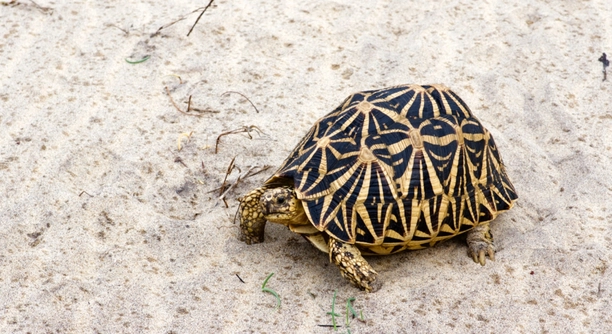
Turtles are fascinating creatures, but like all animals, they require the right care to stay healthy. A healthy digestive system is key to their overall well-being. With proper attention, you can help your turtle thrive.
To improve your turtle’s digestion, focus on a balanced diet, appropriate habitat conditions, and proper hydration. Offering variety in food, maintaining the right temperature, and ensuring regular exercise can significantly aid their digestive health.
By implementing these tips, you can help your turtle feel its best and avoid digestive problems. Let’s explore simple changes you can make today to improve your turtle’s digestive system.
Feed Your Turtle a Balanced Diet
A varied and nutritious diet is essential for your turtle’s digestive health. Fresh greens, vegetables, and protein sources like fish or insects should make up most of their diet. A common mistake is feeding them the same foods too often, which can lead to digestive issues. You should include leafy greens such as kale and dandelion, along with fruits like strawberries or apples in moderation. Protein can come from worms, small fish, or specially formulated turtle food. Providing different foods ensures your turtle receives all the necessary nutrients, helping its digestive system function properly.
It’s also important to avoid processed foods and to keep treats like high-fat options at a minimum. Too much fat can upset their digestion, leading to obesity and other health problems. By providing variety, you’ll also prevent them from becoming bored with their meals, encouraging them to eat a healthy amount.
Be mindful of the size of the food pieces. Cutting them into manageable sizes helps your turtle properly chew and digest the food. An easy way to incorporate variety is rotating different food types every few days. This ensures a rich intake of essential vitamins and minerals, which helps maintain overall health and a smoothly functioning digestive system.
Keep the Habitat Temperature Consistent
Your turtle’s environment plays a huge role in its digestion. Temperature is a key factor in digestion speed and efficiency. Turtles need a warm basking spot to help regulate their metabolism. If the environment is too cold, digestion slows down, and your turtle may become lethargic. Ensure the water temperature remains between 75°F and 85°F, while the basking area should be about 90°F.
A warm environment promotes a healthy digestive process by allowing enzymes in your turtle’s stomach to work efficiently. Without this warmth, food can sit in their stomach longer than necessary, which can cause discomfort and prevent proper nutrient absorption.
Investing in a good heat lamp or water heater is a simple way to control the temperature and support your turtle’s digestion. You’ll also want to make sure your turtle has access to both warm and cool areas so it can regulate its body temperature. Maintaining consistent temperature levels ensures your turtle stays healthy and happy.
Ensure Proper Hydration
Turtles need to stay hydrated to support their digestive system. Make sure they have access to fresh, clean water at all times. Dehydration can cause slow digestion and affect overall health.
Offer water deep enough for your turtle to submerge in but shallow enough to reach easily. Change the water regularly to prevent bacteria growth. You can also provide a shallow dish of fresh water if your turtle prefers that. Adding some water-based plants or aquatic life can also make your turtle more inclined to drink and stay hydrated.
A hydrated turtle will be able to process food efficiently. When water is insufficient, digestion becomes sluggish, and your turtle may suffer from constipation or other digestive problems. It’s important to ensure hydration is a priority, especially in warmer environments where your turtle may lose water more quickly.
Regular Exercise is Key
Exercise helps stimulate your turtle’s digestion by encouraging movement and improving circulation. Provide opportunities for your turtle to move around both in the water and on land.
Turtles need space to roam and explore. Adding rocks or logs they can climb over in their tank provides exercise while also encouraging natural behaviors. If your turtle is outside, allow it to walk around in a safe, enclosed area. Exercise not only aids digestion but keeps your turtle healthy, fit, and active.
When turtles don’t move enough, their metabolism can slow down, affecting their digestive efficiency. Regular exercise improves digestion by encouraging the movement of food through the digestive tract.
Avoid Overfeeding
Overfeeding is a common mistake that can harm your turtle’s digestion. It’s easy to give them extra food, but too much can lead to slow digestion and even obesity. Stick to feeding them appropriate portions based on their size and age.
Each turtle has different needs depending on its species. Make sure to research your turtle’s dietary needs and feed accordingly. Offering food every other day can be a good rule of thumb for many species, rather than daily feeding. Regularly monitor their weight and health to adjust portions when necessary.
Clean Your Turtle’s Tank Regularly
Keeping the tank clean helps maintain a healthy environment for digestion. Filthy water or uneaten food can cause bacteria growth, which can lead to digestive problems. Regularly scrub the tank, filter, and replace the water.
A clean tank reduces the risk of infections, allowing your turtle to thrive and digest food more efficiently. Regular tank maintenance ensures that your turtle doesn’t ingest harmful bacteria while eating or drinking. By maintaining cleanliness, you create a safe environment for your turtle to eat and digest without complications.
FAQ
How do I know if my turtle has digestive problems?
Signs of digestive problems in turtles can include constipation, lethargy, lack of appetite, or bloating. If your turtle has difficulty passing waste or seems uncomfortable, this may indicate digestive issues. If the symptoms persist for more than a few days, it’s important to consult a vet to ensure your turtle’s digestive system is functioning properly. In some cases, your turtle may stop eating entirely, which is a major red flag for digestive trouble.
Can I feed my turtle human food?
It’s best to avoid feeding your turtle human food, as it may not meet their nutritional needs. Some human foods are too rich or processed, which can cause digestive issues. For instance, sugary fruits, bread, or processed meats may upset their digestive system. Stick to foods designed for turtles, such as leafy greens, vegetables, and appropriate protein sources like worms or small fish. If you want to add variety, consider offering safe fruits and vegetables in moderation, such as apples, strawberries, or carrots.
How much should I feed my turtle?
The amount you should feed your turtle depends on its size, age, and species. In general, smaller turtles eat smaller amounts, while larger turtles need more food. A good rule of thumb is to feed your turtle a portion size that is roughly the size of its head. Juvenile turtles tend to need more food as they grow, while adults typically eat less. Overfeeding can lead to obesity and digestive problems, so it’s important to avoid giving them too much. Monitor your turtle’s weight and adjust portions accordingly.
What temperature should I keep my turtle’s tank at for proper digestion?
A consistent temperature is essential for healthy digestion. The water temperature should range between 75°F and 85°F, while the basking area should be about 90°F. If the water is too cold, your turtle’s metabolism will slow down, affecting its digestion. On the other hand, if the temperature is too hot, it can cause stress and dehydration. Use a reliable water heater and a heat lamp for the basking area to maintain proper temperatures in your turtle’s tank.
Can I give my turtle pellets as a main food source?
Pellets can be a part of your turtle’s diet but should not be the sole food source. While pellets are formulated to provide essential nutrients, they may lack the variety and fiber that your turtle needs. It’s important to offer a mix of fresh vegetables, greens, and protein to keep your turtle’s diet balanced. Pellets can be used as a supplement or a convenience food, but they shouldn’t replace fresh, natural food options.
Is it okay to feed my turtle only vegetables?
Vegetables are a healthy part of a turtle’s diet, but they should not be the only food offered. Many turtles need a balanced diet that includes both plant matter and animal protein. Depending on your turtle’s species, it may require some protein to thrive, such as insects, fish, or worms. Leafy greens, such as kale and dandelion, are excellent choices for plant-based nutrition. While some species are primarily herbivorous, others are omnivorous and need both plant and animal-based foods for optimal health.
How often should I clean my turtle’s tank?
Regular cleaning of your turtle’s tank is crucial for preventing bacterial growth and ensuring a healthy environment. At a minimum, you should clean the tank thoroughly once a week. This includes scrubbing the sides of the tank, cleaning the filter, and changing the water. If you notice a buildup of uneaten food or waste, you may need to clean the tank more frequently. A clean tank promotes better digestion by ensuring your turtle isn’t exposed to harmful bacteria that can cause digestive upset.
Can stress affect my turtle’s digestion?
Yes, stress can negatively impact your turtle’s digestion. If your turtle feels threatened or uncomfortable in its environment, it may stop eating or become lethargic, which can affect its digestive system. Stress can be caused by improper tank conditions, such as incorrect temperature, poor water quality, or overcrowding. It’s important to provide a calm and stable environment for your turtle. Ensure that the tank size is appropriate, the water is clean, and there are plenty of hiding spots for your turtle to feel secure.
How can I help my turtle if it’s constipated?
If your turtle is constipated, there are several things you can try. Make sure your turtle has access to clean, fresh water at all times, as dehydration can contribute to constipation. You can also offer foods that are higher in fiber, such as leafy greens. If your turtle is still having trouble, soaking it in warm water (not hot) for about 20-30 minutes can help encourage bowel movements. If constipation persists for more than a few days, consult a vet for further treatment options.
Can I feed my turtle fruits every day?
While fruits can be a healthy treat for your turtle, they should not be fed daily. Most fruits are high in sugar, which can lead to digestive issues and obesity if offered too often. A good rule of thumb is to provide fruit as a treat only once or twice a week. When you do offer fruit, stick to safe options like strawberries, apples, or melon. Always remove any uneaten fruit from the tank to prevent it from rotting and creating bacteria in the water.
Why is my turtle not eating?
If your turtle isn’t eating, it could be due to several factors. Stress, temperature changes, or changes in its environment can cause a decrease in appetite. Seasonal changes can also affect your turtle’s eating habits, as some turtles naturally eat less during the colder months. Health issues like an infection or internal parasites can also lead to loss of appetite. If your turtle hasn’t eaten for several days, it’s important to observe it closely and consult a veterinarian to rule out any health problems.
Should I give my turtle a variety of food types?
Yes, variety is essential for a balanced diet. Turtles benefit from a range of food types, including leafy greens, vegetables, fruits, and proteins. Offering different food options ensures that your turtle gets all the necessary nutrients. A varied diet also prevents boredom and helps maintain interest in eating. Avoid feeding your turtle the same food every day, as this can lead to nutritional deficiencies and digestive problems. Rotate different foods regularly to give your turtle a well-rounded diet.
Final Thoughts
Taking care of your turtle’s digestion doesn’t have to be complicated. By following simple practices, you can support their digestive health and overall well-being. Providing a varied diet that includes fresh greens, protein, and safe fruits is one of the most important steps. It’s essential to feed your turtle the right amount and avoid overfeeding, as excess food can lead to sluggish digestion or even obesity. Keeping their environment clean and ensuring they have access to fresh water is also crucial for their digestive system.
Along with a proper diet, ensuring the right habitat conditions is key. A temperature-controlled tank helps your turtle’s metabolism run smoothly, improving digestion. Too cold or too hot water can slow down their digestion and cause discomfort. Be mindful of the basking area, where your turtle needs warmth to aid in digestion. Regular exercise is another simple yet effective way to keep things moving in their digestive system. Encourage your turtle to explore by offering rocks, logs, or even a larger space to roam.
Lastly, always pay attention to any signs that something might be wrong. If your turtle is showing symptoms like loss of appetite, bloating, or constipation, it could be a sign of digestive problems. A clean environment, regular feeding routine, and a balanced diet are the foundation of a healthy digestive system for your turtle. By making these small adjustments and being observant, you can help your turtle lead a long and healthy life with a properly functioning digestive system.

Hello,
If you enjoy the content that we create, please consider saying a "Thank You!" by leaving a tip.
Every little bit helps us continue crafting quality advice that supports the health, happiness, and well-being of pets around the world, for pets of all shapes, sizes, and species.
We really appreciate the kindness and support that you show us!