
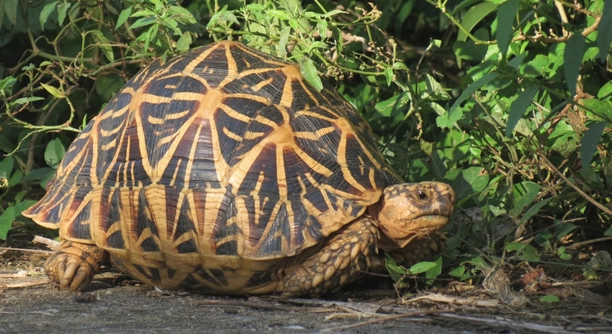
Many turtle owners are concerned when they notice their turtle sitting underwater without moving. This behavior can leave you wondering if there’s something wrong with your pet. Understanding the causes can help you ensure your turtle’s well-being.
Turtles may sit underwater without moving due to various factors such as cold water temperatures, stress, or natural behavior. A sudden change in environment, or inadequate tank conditions, can also lead to this behavior. It’s important to monitor water quality and temperature.
The reasons behind this behavior may be surprising, but once you identify the cause, you can make simple adjustments. Understanding these factors will help ensure your turtle is healthy and comfortable. Keep reading to learn more about how to address this.
Why Is My Turtle Sitting Underwater?
Turtles are known for spending a lot of time in the water, but if you notice your turtle sitting underwater without moving for extended periods, it could be a sign of something more than natural behavior. This may seem odd, especially if your turtle typically moves around more. However, it’s essential to examine a few key factors before jumping to conclusions. Your turtle’s environment could be playing a significant role in this behavior. Common causes include water temperature, water quality, and stress. If your turtle is not active, it could be trying to regulate its body temperature or dealing with environmental changes that affect its health.
A common reason for this behavior is that the water temperature in the tank may be too low. Turtles are cold-blooded, meaning they rely on external heat sources to regulate their body temperature. If the water is too cold, your turtle may become sluggish and remain underwater without moving much.
To keep your turtle healthy, make sure the water temperature stays within the recommended range. Most freshwater turtles require water temperatures between 75 and 80 degrees Fahrenheit (24-27°C). If the tank is colder, your turtle may not feel the need to move much, which can lead to inactivity. Additionally, improper heating can affect your turtle’s digestion and overall health. Using a reliable aquarium heater can help ensure the water temperature stays consistent.
Stress and Lack of Space
Stress can also be a factor. Turtles are sensitive creatures, and they can become stressed from various sources, including noisy surroundings, poor tank conditions, or changes in their habitat. Inadequate hiding spots or not enough room to roam in their tank can also make them retreat to the water. If your turtle’s environment is not ideal, it may spend most of its time underwater, appearing inactive.
To reduce stress, ensure your turtle’s tank is quiet, clean, and spacious. Giving them a variety of areas to explore, such as a basking platform and plenty of hiding spots, can encourage activity and reduce stress.
Water Quality Issues
Poor water quality is another factor that can cause your turtle to stay underwater without moving. Turtles are sensitive to their environment, and dirty water can stress them out, leading to inactivity. Make sure the water is clean, filtered, and free from harmful toxins.
If the water isn’t clean, it can irritate your turtle’s skin and eyes, leading to discomfort. Dirty water may also contain harmful bacteria that can cause health issues like shell rot. Regular water changes and maintaining a proper filtration system are essential. Be sure to test the water regularly for proper pH, ammonia, and nitrate levels. Keeping the tank clean not only promotes better activity but also helps your turtle live a longer, healthier life.
Another consideration is the tank’s size. A small tank can make it harder to maintain clean water, and your turtle may feel confined. Larger tanks are easier to manage and give your turtle more space to move around. Proper filtration and frequent water changes can also make a big difference.
Tank Setup and Temperature
The setup of your turtle’s tank affects its behavior and health. Inadequate lighting and heating can result in lethargy. Turtles need a basking area with the correct heat, as well as a UVB light to help them process calcium and maintain strong bones.
Make sure the basking area is warm enough for your turtle to regulate its body temperature. If the heat is insufficient, your turtle may stay in the water longer to compensate. A UVB light is just as important because it helps with vitamin D3 production, which is essential for calcium absorption. Without it, your turtle may become weak and inactive. Maintaining both heating and lighting properly is crucial to your turtle’s overall well-being.
Overfeeding
Overfeeding can make your turtle less active. If you’re feeding it too much, it may become sluggish, especially if it’s not able to process all the food. Make sure you’re feeding an appropriate amount for its size and age.
Turtles don’t need to eat constantly. Overfeeding leads to obesity, which can decrease their energy levels. A proper diet includes a balance of vegetables, protein, and occasional treats. Feeding them too much can make them lethargic and more likely to stay still for long periods underwater. You can adjust the portion sizes based on your turtle’s needs.
Health Concerns
Inactivity can also be a sign of underlying health issues. If your turtle suddenly becomes inactive or spends more time underwater without moving, it could be suffering from an illness like respiratory infections or shell rot.
If you notice any changes in your turtle’s behavior, it’s best to consult with a vet experienced in reptiles. Ignoring the signs of illness can lead to more serious health problems down the road. Regular check-ups and paying attention to changes in behavior will help you keep your turtle happy and healthy.
Natural Behavior
Sometimes, your turtle’s behavior is entirely natural. Some species of turtles spend a lot of time in the water, resting or basking under the surface. This might simply be how they behave, especially if the water conditions are comfortable for them.
As long as the water is clean, and there are no signs of stress or illness, your turtle may just be following its instincts. However, if you’re concerned, it’s always a good idea to keep an eye on your pet for any other symptoms that could indicate a problem.
FAQ
Why does my turtle stay underwater for hours?
If your turtle is staying underwater for long periods, it may be a result of cold water temperatures, stress, or natural behavior. Turtles often stay submerged to regulate their body temperature, especially if the water is cooler than it should be. If it’s not a temperature issue, stress could be causing the turtle to retreat underwater. Tank setup and water quality play a big role in their behavior. Sometimes, turtles just like to be submerged for long stretches, as it mimics their natural environment.
How do I know if my turtle is too cold?
If your turtle stays underwater without moving or appears sluggish, it could be because the water temperature is too low. Turtles are cold-blooded, and if the water temperature is not within the ideal range (usually between 75°F and 80°F), they may become lethargic. Make sure to use a reliable thermometer to check the water temperature regularly. If it’s too cold, consider adding a heater to the tank to maintain a consistent, comfortable temperature.
Can stress cause my turtle to sit underwater?
Yes, stress can cause your turtle to act differently, including sitting underwater for long periods. Stressors can include changes in the environment, loud noises, overcrowded tanks, or inadequate hiding spots. If your turtle feels threatened or uncomfortable, it may choose to hide underwater. Make sure the tank environment is peaceful, spacious, and clean to reduce stress. Adding plants, hiding spots, or different textures to the tank can make your turtle feel more secure and encourage them to be more active.
Is it normal for my turtle to not move much?
It’s not always a sign of something wrong if your turtle isn’t moving much, but it’s important to pay attention to other signs. Turtles naturally rest a lot, especially when they’re not hungry or are adjusting to a change in their environment. However, if your turtle has suddenly become inactive and is spending more time underwater, it could be a sign of stress, illness, or improper water conditions. Check for changes in behavior, and monitor the water quality and temperature. If inactivity continues, consult a vet.
What should the water temperature be for my turtle?
The ideal water temperature for most freshwater turtles is between 75°F and 80°F (24-27°C). If the water is too cold, your turtle may become sluggish and inactive, while too hot water can cause stress or overheating. Always check the water temperature with an aquarium thermometer, and use a reliable heater to maintain the correct temperature. A basking area should be even warmer, around 85°F to 90°F (29-32°C), to allow your turtle to regulate its body temperature.
How do I improve my turtle’s tank setup?
A proper tank setup includes clean, filtered water, a basking platform, appropriate lighting, and the right temperature. Your turtle needs a designated basking area that’s dry and warm, with a UVB light to help with vitamin D3 production. Ensure that the tank is large enough for your turtle to swim and explore comfortably. Adding hiding spots and plants can provide security and reduce stress. Regular water changes and filtration will help keep the environment healthy.
Why does my turtle spend more time in the water than on land?
Turtles are aquatic creatures, and some species prefer to spend most of their time in the water. If your turtle spends a lot of time submerged, it may just be its natural behavior, especially if it’s comfortable in the water and has access to a basking area. However, if your turtle isn’t coming out to bask at all, it could be a sign of poor water conditions, temperature imbalances, or stress. Make sure the tank is set up to encourage basking and the water is in optimal conditions.
Can I leave my turtle underwater all day?
While turtles can spend a lot of time underwater, they should still have access to a dry basking area. Turtles need to bask to regulate their body temperature and to absorb UVB light for proper calcium processing. If your turtle remains underwater all day, it could be because the basking area is too cold, too small, or not inviting enough. Ensure the basking spot is easily accessible and at the right temperature for your turtle to feel comfortable and dry.
How often should I change my turtle’s water?
Changing your turtle’s water regularly is crucial for maintaining a healthy environment. Generally, you should change about 25-50% of the water in the tank every week, depending on tank size, water filtration, and how many turtles you have. A larger tank with a good filtration system may require less frequent water changes, but it’s still important to test water quality regularly and do partial changes as needed. Dirty water can cause health problems and stress for your turtle.
How can I tell if my turtle is sick?
Sick turtles often show signs of unusual behavior, such as staying underwater without moving, not eating, or being excessively lethargic. Other signs include swollen eyes, changes in shell appearance, or unusual discharge from the nose or mouth. If you notice any of these symptoms, it’s important to take your turtle to a vet experienced in reptile care. Early intervention is key to treating many common turtle illnesses. Regular check-ups can also help catch potential health problems before they become severe.
Final Thoughts
It’s important to understand that turtles are unique creatures with specific needs. If you notice your turtle spending long periods underwater without moving, it could be due to several factors, from natural behavior to tank conditions. While some turtles are simply more aquatic, others may be reacting to environmental changes like water temperature, tank setup, or stress. Observing your turtle and making small adjustments to its environment can help you ensure it’s comfortable and healthy.
To address the issue of inactivity, focus on creating a suitable habitat. Maintaining the right water temperature, providing a basking area, and ensuring proper water quality are key to keeping your turtle active and happy. If your turtle isn’t moving much, it’s essential to check whether its environment is meeting its needs. A small change, like adding a heater or increasing the space for swimming, can have a big impact. Pay attention to your turtle’s overall behavior and look for any signs of illness or discomfort, which might require a visit to the vet.
In the end, understanding your turtle’s natural habits and making sure it has a comfortable and stimulating environment will help you avoid unnecessary worry. Turtles are often slow-moving, but that doesn’t mean they’re unhealthy. However, if you’re noticing consistent changes in their behavior or a lack of movement, it’s always a good idea to check the tank conditions and consult a professional if needed. Taking these steps can help you keep your turtle happy and thriving for years to come.

Hello,
If you enjoy the content that we create, please consider saying a "Thank You!" by leaving a tip.
Every little bit helps us continue crafting quality advice that supports the health, happiness, and well-being of pets around the world, for pets of all shapes, sizes, and species.
We really appreciate the kindness and support that you show us!