
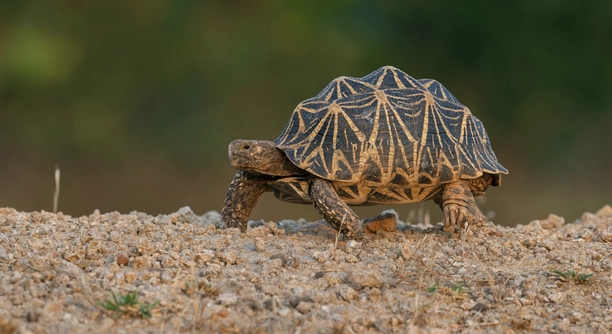
Turtles are wonderful pets that need proper care and a comfortable living space. As they grow, their habitat may need to change. It’s important to monitor their environment to ensure they stay healthy and happy.
If your turtle seems cramped or has trouble moving around, it might be time for a larger habitat. Overcrowding or limited space can cause stress and prevent them from living their best life.
Making sure your turtle has enough space to roam is essential for its well-being. Understanding the signs that your turtle’s habitat is too small will help you provide the best care possible.
Limited Movement
Turtles need space to move around and explore. A cramped enclosure can limit their ability to exercise, which is crucial for their physical health. When turtles don’t have enough room to swim, walk, or bask, they may develop stress or health problems like shell deformities. A suitable habitat allows your turtle to engage in natural behaviors, helping it stay active and strong. Turtles are curious creatures, and a larger space can encourage them to move around more, promoting better digestion and overall well-being.
A lack of space can make your turtle feel uncomfortable and anxious. Without enough room to stretch or bask, they might exhibit abnormal behavior.
When a turtle’s habitat is too small, its movements become restricted, which can lead to muscle atrophy or other health issues. Keeping a larger tank gives your turtle the freedom to swim, explore, and interact with its environment, which helps in maintaining a healthy lifestyle. Additionally, larger habitats make it easier to maintain proper water quality, which is essential for their survival.
Inadequate Basking Area
A proper basking spot is crucial for a turtle’s health. If the habitat doesn’t offer a designated area for them to dry off and absorb UVB light, it can lead to shell problems or other health concerns.
Turtles need access to heat and light, so if their basking area is too small, they may not get the exposure they need. This is why having enough space for the basking area is key.
When turtles don’t get enough exposure to UVB rays, it can result in weak bones, poor shell growth, and an overall decline in health. Turtles use their basking area to regulate their body temperature and maintain proper digestion. Without adequate space to bask comfortably, they might struggle to do so efficiently. Additionally, if there’s no space for them to fully dry off, they could develop fungal infections. Making sure their habitat has a proper, spacious basking area will encourage healthy behaviors and support their growth. It’s important that this spot is easily accessible and placed in a warm, dry section of their environment.
Unstable Water Quality
Small tanks are more challenging to maintain in terms of water quality. With limited space, toxins like ammonia build up more quickly, and it becomes harder to filter the water properly. Turtles need clean water to thrive, and cramped spaces make this more difficult to achieve.
In a larger tank, water filtration is more efficient, making it easier to maintain a healthier environment for your turtle. A well-maintained habitat with good filtration ensures that the water stays clear and free of harmful substances, reducing stress and promoting health. Poor water quality can cause skin and shell issues or even infections, so larger tanks are key to reducing this risk.
Inadequate water quality affects your turtle’s overall health and can lead to respiratory issues, skin infections, or even death. Without enough space, the water might become dirty too quickly, causing the turtle to become stressed and less active. Larger habitats allow for better water circulation and filtration, making it easier to provide your turtle with a cleaner and healthier environment to live in.
Increased Risk of Territorial Stress
Turtles are territorial animals, and when they feel crowded, they may become aggressive or stressed. If they don’t have enough space to establish their own areas within their habitat, this can lead to fighting, especially among males.
Territorial disputes can result in injuries or heightened stress levels. Giving your turtle enough space to claim its own territory helps reduce these problems. Without enough space, your turtle may become agitated, hiding or refusing to eat, which is a clear sign of stress.
In smaller habitats, turtles are forced to share their space more closely, which increases the chances of territorial aggression. They may try to assert dominance over each other, leading to fights that can result in injury. By providing a larger tank, turtles have their own space to feel secure, which reduces aggression and helps maintain a more peaceful environment. This allows each turtle to feel more comfortable, decreasing the likelihood of stress-related behavior.
Lack of Proper Sheltering
Turtles need places to hide and feel secure. If the habitat is too small, it limits their options for retreating when they feel stressed or threatened. Proper hiding spots are essential for their mental well-being.
Without enough space, it’s difficult to create suitable hiding areas for your turtle. A larger tank allows for multiple shelters, which can help your turtle feel safe and reduce stress. Providing these spaces can make your turtle more comfortable, allowing it to move freely and have moments of solitude when needed.
Poor Environmental Enrichment
A lack of space makes it hard to enrich your turtle’s environment. In a cramped tank, it’s challenging to add enough items for them to interact with, like rocks or plants. These elements help keep turtles mentally stimulated.
In a larger space, there’s room for enrichment activities like swimming through plants or climbing rocks. This can help prevent boredom, which could lead to health issues like stress or lack of appetite. The more enriched the habitat, the happier and more active your turtle will be.
Difficulty Maintaining Temperature
In a small tank, maintaining a consistent temperature is harder. The heat and cold zones need to be carefully monitored to keep your turtle comfortable. Inadequate space can make it difficult to create the right temperature gradient.
Larger tanks offer more flexibility in setting up distinct temperature zones. This makes it easier for your turtle to regulate its body temperature, which is crucial for digestion and overall health. A proper heat source, along with a cooler area, is important for their well-being. Without this balance, your turtle could experience temperature-related stress.
FAQ
How do I know if my turtle needs a bigger tank?
If your turtle is having trouble moving around, seems stressed, or is not as active as usual, it could be a sign that the tank is too small. Turtles require space to swim, bask, and roam. Check if your turtle is displaying repetitive or unusual behaviors, like constantly staying in one spot or swimming in circles. If you notice these signs, it may be time to upgrade to a larger habitat to provide them with the space they need.
What size tank should I get for my turtle?
The general rule is 10 gallons of water for every inch of your turtle’s shell length. If your turtle is 4 inches long, the tank should be at least 40 gallons. However, larger tanks are always better. A bigger tank will allow your turtle to have enough room for swimming, basking, and finding areas to hide, which are all important for its well-being.
Can a small tank cause stress in my turtle?
Yes, a small tank can definitely cause stress. When turtles don’t have enough space to move around or engage in natural behaviors, they can become agitated and anxious. This stress can lead to a variety of health problems, including loss of appetite, aggression, and a weakened immune system. Ensuring your turtle has ample space helps them feel secure and reduces the chances of stress-related issues.
How often should I clean my turtle’s tank?
Turtle tanks need to be cleaned regularly, ideally once a week or whenever you notice the water becoming dirty. The frequency of cleaning will depend on the size of the tank, the number of turtles, and the quality of the filtration system. It’s also important to change 25-50% of the water every week to keep the environment fresh. A good filtration system can make this process easier, but routine water changes and spot cleaning are still necessary to maintain a healthy habitat.
Can I add more than one turtle to the same tank?
Yes, you can keep multiple turtles in the same tank, but it depends on the size of the tank and the type of turtles. Generally, a larger tank is necessary if you plan on having more than one turtle. Keep in mind that turtles can be territorial and may show aggression toward one another, especially if the space is cramped. It’s important to ensure there’s enough room and that each turtle has access to its own basking area to avoid territorial disputes. Monitoring their behavior is crucial to prevent fighting and injuries.
What kind of habitat do turtles need to be healthy?
Turtles need both water and land areas in their habitat. The water section should be deep enough for swimming, while the land area should provide a place for them to bask and dry off. The tank should also have proper heating, lighting, and filtration systems to maintain healthy water conditions. Additionally, they need hiding spots for security. Adding plants, rocks, and other enriching elements will keep your turtle mentally stimulated and engaged.
Is UVB light necessary for my turtle?
Yes, UVB lighting is essential for your turtle’s health. UVB light helps turtles produce Vitamin D3, which is necessary for absorbing calcium and maintaining strong, healthy bones and shells. Without proper UVB exposure, your turtle could develop metabolic bone disease or other health issues. Make sure the basking area has access to UVB light for 10-12 hours a day, and replace the bulbs as recommended, as their effectiveness can decrease over time.
How can I make my turtle’s habitat more interesting?
You can add various objects to your turtle’s tank to make it more interesting, such as aquatic plants, rocks, and ramps for climbing. Floating logs or platforms can provide basking spots, while plants offer hiding spots and places to explore. A turtle’s habitat should mimic its natural environment as much as possible, so feel free to be creative in designing their space. Just ensure that any items you add are safe for turtles and won’t harm them.
What should I feed my turtle in a larger tank?
In a larger tank, your turtle still requires a balanced diet. The food you offer depends on the species, but in general, turtles need a mix of protein (like insects or fish) and plant matter (such as leafy greens or vegetables). You can also add calcium supplements to promote healthy shell growth. Make sure to avoid overfeeding, as excess food can pollute the water. Consider feeding your turtle in a separate area to avoid contamination in the tank.
Do turtles need to be kept in pairs?
No, turtles do not need to be kept in pairs, though they can sometimes benefit from companionship if they are of compatible species. In some cases, keeping a turtle alone can be beneficial, as it reduces territorial stress and aggression. However, if you decide to house multiple turtles together, make sure the tank is large enough to accommodate them and that each turtle has its own basking area.
Final Thoughts
Providing the right habitat for your turtle is essential to its well-being. Turtles need enough space to move, swim, and bask comfortably. A small tank can limit their natural behaviors, leading to stress and potential health issues. As they grow, it’s important to monitor their space and adjust accordingly. Remember, a larger tank is not only about physical space but also about giving your turtle a safe and comfortable environment. This allows them to thrive and live a long, healthy life.
When upgrading to a larger habitat, it’s important to keep in mind their specific needs, such as proper water filtration, a basking area with UVB light, and a clean, well-maintained environment. Turtles are more likely to be active and engage in natural behaviors when they have enough space. By offering them a suitable habitat, you’re also making it easier to maintain water quality and manage temperature. These factors help prevent diseases and ensure your turtle’s overall health. A larger, enriched environment will reduce stress and make them more content.
In the end, the goal is to create an environment that mimics what your turtle would experience in the wild, with space to roam and the resources they need to stay healthy. It’s easy to overlook how much space they need when they are small, but as they grow, their habitat should grow with them. A bigger tank may require more maintenance and care, but it will greatly benefit your turtle in the long run. By paying attention to their needs, you’ll ensure that your turtle leads a happy and healthy life.

Hello,
If you enjoy the content that we create, please consider saying a "Thank You!" by leaving a tip.
Every little bit helps us continue crafting quality advice that supports the health, happiness, and well-being of pets around the world, for pets of all shapes, sizes, and species.
We really appreciate the kindness and support that you show us!