
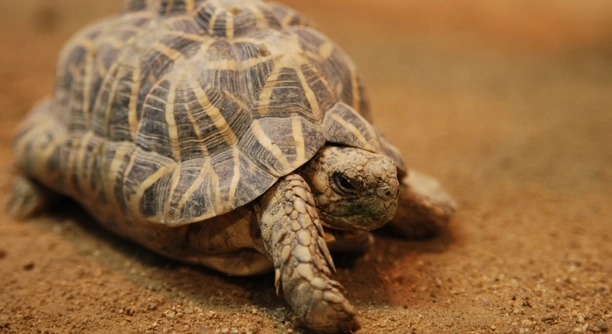
If you have a pet turtle, you may notice changes in its appearance that can be a cause for concern. One such change could be a shorter tail. This can be puzzling and worrisome for any turtle owner.
A turtle’s tail may become shorter due to injury, illness, or natural shedding. Injury can cause tissue damage, while certain infections may lead to tail loss. Additionally, turtles periodically shed parts of their tail as part of their growth process.
Understanding the reasons behind this change can help ensure your turtle’s well-being. Keep reading to learn more about how to care for your pet and manage its health effectively.
Why Turtles Lose Part of Their Tail
A turtle’s tail can appear shorter for several reasons, and some of these are completely normal. If the tail is injured, it could heal with a noticeable reduction in size. In other cases, the tail may have been shed naturally. A turtle’s tail isn’t always fixed in shape, and as it grows, parts may fall off. Sometimes, infection or other health issues can also cause tail shortening. If this happens, it’s important to keep an eye on other symptoms. Knowing the difference between natural shedding and a health problem can help you determine if action is needed.
If the tail is injured, infection can spread and cause additional harm to the turtle. Monitoring your turtle’s behavior and appearance is essential to catching issues early. If the injury seems severe, taking your turtle to the vet for further care is important. Infections, if left untreated, can cause long-term damage.
It’s helpful to check the tail for any signs of bleeding, swelling, or unusual discoloration. If your turtle is acting lethargic or has trouble swimming, there may be more severe issues. A visit to the vet can ensure that your pet gets the right treatment, and you’ll be able to care for your turtle properly.
How to Care for a Turtle with a Shortened Tail
If your turtle’s tail appears to be shorter due to injury or natural causes, focus on providing the right care.
Ensure that your turtle’s habitat is clean and well-maintained to reduce the risk of infections. Use appropriate water temperatures and filtration to keep its environment healthy.
A turtle with a shorter tail may require extra care in its environment. You should be attentive to its habitat and diet. Clean water is vital, as it helps to avoid further infections. A balanced diet rich in nutrients will also promote faster healing if the tail has been injured. Regularly check for any signs of further injury or infection, such as swelling, redness, or discharge. Keeping the turtle’s environment stress-free and healthy can help prevent these issues from becoming worse. If the injury or condition worsens, a vet can offer advice on proper treatments, such as antibiotics or special care routines.
Common Health Issues that Affect the Tail
Infections are one of the most common causes for a turtle’s tail to become shorter. Bacterial or fungal infections can quickly spread, affecting not only the tail but also other areas of the turtle’s body.
Infection often leads to tissue damage, which could cause the tail to fall off. If the infection is caused by an external injury or environmental factors like dirty water, the risk of further complications increases. You may notice signs such as swelling, redness, or unusual growths around the tail area. If any of these symptoms appear, it’s important to get your turtle checked by a veterinarian. They may need treatment like antibiotics to stop the infection and prevent more damage. Keeping your turtle’s environment clean can also help prevent infections in the future.
Preventing infections starts with proper care and maintenance of your turtle’s habitat. Regular water changes, using clean water, and ensuring proper filtration in their tank will reduce the chances of bacteria growth. Avoid overfeeding your turtle, as it can lead to water contamination and affect the health of your turtle. By maintaining a balanced, clean environment, you can help keep your turtle healthy and avoid infections that lead to tail loss.
Monitoring and Treatment for Tail Injury
If your turtle’s tail appears injured or damaged, monitoring the injury closely is important.
Watch for signs of infection, such as pus or unusual redness, which may indicate a need for medical treatment.
Injuries to the tail can occur if the turtle is startled or handled too roughly. If there is noticeable damage, it is crucial to clean the wound immediately. Gently rinse the area with clean, dechlorinated water and apply a mild antiseptic to prevent infection. If bleeding occurs, applying pressure to the area and seeking veterinary care may be necessary. Keep the turtle in a stress-free environment to aid in its recovery, and ensure the water temperature is appropriate for healing.
The Role of Diet in Tail Health
A well-balanced diet can play a key role in preventing tail issues. Proper nutrition helps maintain overall health, which includes the tail’s condition.
Feeding your turtle a variety of vegetables, fruits, and high-quality pellets ensures it gets the nutrients needed for growth and healing. A lack of proper nutrients can weaken your turtle’s immune system, making it more vulnerable to infections and other health problems. Regularly offering calcium-rich foods like cuttlebone helps maintain strong bones, which can prevent injury and promote faster healing if the tail is damaged.
How Environment Affects Tail Health
A clean and stress-free environment is vital for your turtle’s well-being.
Dirty water or poor tank conditions can lead to infections or stress, which may contribute to tail issues.
Proper filtration, appropriate water temperature, and UVB lighting are essential for your turtle’s health. The environment plays a significant role in healing injuries and preventing infections. Make sure the tank is large enough for your turtle to move around freely and that the water quality is always maintained. Regularly checking water parameters, such as pH and temperature, ensures that your turtle remains comfortable and safe, which is necessary for recovery.
Preventing Future Tail Loss
Preventing further tail issues starts with consistent care.
Routine health checks and maintaining proper living conditions are essential for your turtle’s well-being.
FAQ
Why is my turtle’s tail shorter?
A turtle’s tail can shorten due to injury, illness, or natural shedding. If the tail is injured, it may heal with a noticeable reduction in size. In some cases, turtles shed parts of their tail as they grow. This is a natural process. However, if the tail shows signs of infection, such as swelling or redness, it could be due to a bacterial or fungal infection.
Can my turtle’s tail grow back?
Turtles can regrow parts of their tail if the loss is due to injury, but the regrowth may not look the same as the original. Regrowth largely depends on the extent of the damage. In some cases, the tail may not grow back fully, and a shortened tail could remain. If the tail is infected, treatment will be necessary for recovery, but it might not grow back as it was before.
How do I know if my turtle has an infection in its tail?
Signs of infection include redness, swelling, pus, or a foul odor coming from the tail area. If the injury seems worse or the turtle is showing signs of discomfort or lethargy, these are also indications that an infection may be present. You should consult a veterinarian if these symptoms are observed.
How can I treat my turtle’s injured tail at home?
If your turtle has an injured tail, first clean the area with fresh, dechlorinated water. You can use an antiseptic designed for reptiles to disinfect the wound. Be sure to gently dry the area afterward. Keep the turtle in a clean and stress-free environment. If the injury worsens or becomes infected, seek professional veterinary care immediately.
Is my turtle’s tail injury dangerous?
While a minor tail injury may not pose a significant threat, an untreated injury can become infected, leading to more serious health problems. If the injury is deep or accompanied by signs of infection, it’s crucial to consult a vet as soon as possible. Untreated infections can spread and cause severe harm.
Can stress cause my turtle’s tail to shorten?
Yes, stress can contribute to health issues in turtles, including tail shortening. Stress may weaken the immune system, making turtles more susceptible to infections. It can also lead to improper behavior or an unhealthy living environment, which can indirectly cause injury or health problems in their tail.
How can I reduce stress for my turtle?
To reduce stress, ensure that your turtle’s habitat is clean, spacious, and comfortable. The water temperature should be appropriate, and the tank should be equipped with proper lighting and filtration. Avoid handling your turtle too much, as this can stress it out. Make sure there are hiding spots and enrichment items in the tank for the turtle to explore.
Can poor water quality affect my turtle’s tail?
Yes, poor water quality can lead to infections and stress, both of which can impact the health of your turtle’s tail. If the water is dirty or not properly filtered, harmful bacteria can thrive, increasing the risk of infection. It is crucial to maintain clean water, regularly changing it and using proper filtration systems.
How often should I check my turtle’s tail for problems?
You should check your turtle’s tail regularly as part of routine care. Inspect it for signs of injury, swelling, or discoloration. Make it a habit to examine the tail when cleaning the tank or during feeding. Early detection of any issues can prevent complications from worsening.
What should I do if my turtle’s tail is swollen?
Swelling in the tail could be a sign of infection or injury. If you notice swelling, it is important to clean the area carefully with dechlorinated water and apply a mild antiseptic. Keep your turtle in a clean, stress-free environment, and monitor it closely. If the swelling persists or worsens, consult a veterinarian for proper treatment.
How can I prevent tail injuries in my turtle?
To prevent tail injuries, ensure that your turtle’s habitat is free from sharp objects that could cause harm. Be mindful of handling your turtle gently and avoid placing it in situations where it could fall or be startled. A secure and comfortable living space is key to minimizing risks of injury. Regularly check the tank for any hazards, and ensure that the water conditions remain optimal.
Should I take my turtle to the vet for a tail injury?
If the injury appears to be minor and isn’t accompanied by infection or other symptoms, you might be able to treat it at home. However, if the injury is severe, infected, or not healing properly, a visit to the vet is necessary. A professional can assess the situation and provide the best treatment options to ensure proper healing.
What are the signs that my turtle needs medical attention for its tail?
If your turtle’s tail shows signs of infection such as pus, significant swelling, or bleeding, it is time to visit a vet. Other red flags include a loss of appetite, lethargy, or unusual behavior. If the tail injury worsens despite at-home care, prompt veterinary intervention is required.
Final Thoughts
Caring for a turtle’s tail health is an important part of overall turtle care. Whether your turtle has suffered an injury or is experiencing a natural change, it’s essential to monitor its condition regularly. By ensuring the proper environment, diet, and hygiene, you can prevent many common issues that affect a turtle’s tail. If problems do arise, taking quick action can prevent complications and help your turtle heal faster.
Regular check-ups of your turtle’s tail and overall health are essential in identifying potential problems early. A small injury can become more serious if not addressed in time, and infections can spread if not treated promptly. While some tail issues may be a result of natural growth, others may signal underlying health concerns. By being attentive and responsive to changes in your turtle’s behavior and appearance, you can help ensure that it remains healthy and comfortable.
Ultimately, providing a clean and safe living environment for your turtle is crucial to its well-being. Ensuring the water is clean, the tank is free of sharp objects, and your turtle has enough space to move around can prevent many tail issues. Regularly feeding a balanced diet and checking for any signs of distress will help maintain overall health. If you ever notice significant changes to your turtle’s tail or behavior, don’t hesitate to seek veterinary advice.

Hello,
If you enjoy the content that we create, please consider saying a "Thank You!" by leaving a tip.
Every little bit helps us continue crafting quality advice that supports the health, happiness, and well-being of pets around the world, for pets of all shapes, sizes, and species.
We really appreciate the kindness and support that you show us!