
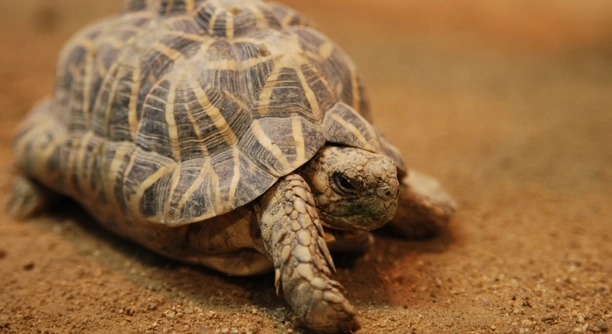
If you notice that your turtle has been avoiding meals, it could be concerning. Appetite changes in turtles are common, but understanding the causes is key to managing their health effectively. Several factors may be at play.
There are many reasons your turtle might be losing its appetite, including stress, water quality, improper temperature, or even illness. Understanding these potential causes is important to ensure that your turtle gets back to eating regularly and stays healthy.
Addressing these factors can help restore your turtle’s appetite and overall well-being. It is essential to create a proper environment for your turtle to thrive in. Keep reading to learn more about each potential cause.
Stress from Environmental Changes
Turtles can quickly become stressed when their environment changes. A new tank, a move to a different location, or loud noises in the room can cause them to stop eating. Turtles are sensitive to their surroundings, and a sudden shift in their habitat can impact their appetite. It’s important to ensure that their home is quiet, consistent, and peaceful. Even small changes, like the placement of their tank, can cause stress.
If you suspect stress might be the reason for your turtle’s lack of appetite, consider minimizing any disruptions around them. Keep their environment calm and stable. A lack of stress will help restore their eating habits over time.
Additionally, try to maintain a regular routine. A consistent feeding schedule and stable surroundings will give your turtle a sense of security. If you’ve recently made changes, give your turtle some time to adjust before expecting them to eat normally again.
Water Quality
Water quality plays a significant role in your turtle’s health and appetite. Poor water conditions can make your turtle feel uncomfortable and prevent them from eating. If the water is too dirty or improperly filtered, your turtle might avoid food.
Turtles thrive in clean, well-maintained water. To prevent water quality from affecting their appetite, change the water regularly and monitor its temperature. Proper filtration is also essential to keep the water clear and free of harmful toxins. Ensuring that the water conditions are optimal will keep your turtle happy and healthy.
If your turtle’s water quality is poor, it can cause them to feel sluggish and uninterested in food. Turtles are highly sensitive to their environment, so water cleanliness should always be a priority. Regular water changes and proper filtration are key to preventing issues related to water quality.
Temperature and Lighting
Temperature and lighting are critical for a turtle’s well-being. If the environment is too cold or the lighting is insufficient, it can cause your turtle to lose interest in food. Turtles are cold-blooded and rely on external temperatures to regulate their metabolism, so the right balance is essential.
A proper basking area with a heat lamp is necessary to maintain the right temperature for digestion. Without adequate heat, your turtle’s body will not function properly, and they may stop eating. Ensure that the water temperature is also appropriate to keep your turtle active and healthy.
Light is just as important. Turtles need exposure to UVB rays to metabolize calcium and stay healthy. Without proper lighting, your turtle may feel lethargic and refuse to eat. Invest in a high-quality UVB light to maintain a healthy environment. This will help your turtle feel more active and, in turn, restore their appetite.
Illness or Injury
When turtles are sick or injured, they often refuse food. Illnesses like respiratory infections or shell problems can make eating painful, causing a loss of appetite. If your turtle is displaying signs of sickness, such as lethargy or abnormal behavior, a vet visit is necessary.
If your turtle is showing symptoms like swollen eyes, labored breathing, or an unusual change in behavior, it’s important to take immediate action. Veterinary care can help identify the issue and offer the necessary treatments. During this time, try to ensure your turtle is as comfortable as possible. Keep them in a calm, stress-free environment to promote recovery.
Even minor injuries, like a cracked shell, can cause discomfort and lead to a loss of appetite. If you suspect your turtle is injured, provide a safe, quiet space for healing. Avoid handling them too much, and watch for any changes that might indicate worsening health.
Mismatch in Diet
Feeding your turtle the wrong types of food can affect their appetite. Turtles need a balanced diet with the right mix of protein, vegetables, and other nutrients. If the food offered doesn’t meet their nutritional needs, they may lose interest in eating.
To make sure your turtle is getting the proper diet, research their species and age-specific requirements. Different turtles need different types of food, so what works for one might not be suitable for another. Offering a variety of fresh, safe foods will keep them engaged and encourage them to eat.
Sometimes, feeding your turtle too often or offering food that’s too large can cause them to refuse meals. Monitor their portion sizes and make sure to offer food in appropriate amounts. You can try offering smaller meals more often throughout the day instead of one large portion.
Poor Tank Setup
An inadequate tank setup can negatively impact your turtle’s health and appetite. If the tank is too small, it can lead to stress, making your turtle more likely to stop eating. A well-sized tank is essential for them to feel comfortable.
Turtles need space to move around freely and explore. If the tank is overcrowded or has limited swimming areas, it could cause your turtle to feel confined. This stress can cause them to avoid food. Make sure your turtle has enough room to swim and bask comfortably.
Seasonal Changes
Seasonal changes can also impact a turtle’s eating habits. Many turtles naturally reduce their food intake during colder months, as their metabolism slows down. This is particularly common for outdoor turtles in temperate climates.
If your turtle is showing signs of reduced appetite during seasonal shifts, it may be going into a natural state of dormancy. This is not usually a cause for concern but be mindful of water temperature and lighting to support their natural cycle.
FAQ
Why is my turtle not eating?
There are several possible reasons why your turtle isn’t eating. Stress, poor water quality, incorrect temperature, and illness can all impact your turtle’s appetite. Sometimes, seasonal changes or a mismatch in diet can cause feeding problems as well. Observe their behavior and environment closely to identify the underlying cause. If needed, consult a veterinarian.
How can I tell if my turtle is sick?
A sick turtle will usually display symptoms like lethargy, a lack of appetite, swollen eyes, labored breathing, or visible wounds on their shell. Any changes in behavior, such as decreased activity or abnormal swimming patterns, should be a cause for concern. If these symptoms persist, a vet visit is important.
What is the ideal water temperature for my turtle?
Water temperature is crucial for your turtle’s health. Most aquatic turtles need water temperatures between 75°F and 80°F (24°C to 27°C) during the day. At night, temperatures can drop to 70°F to 75°F (21°C to 24°C). Make sure your turtle’s tank is equipped with a reliable heater to maintain these conditions.
Can a turtle’s tank be too big?
While larger tanks are usually better for turtles, a tank that is too big for your turtle’s size can cause stress. Smaller turtles might feel lost or insecure in a tank that’s too large. Ideally, the tank should provide enough space for your turtle to swim, bask, and hide comfortably.
How often should I feed my turtle?
The feeding frequency depends on your turtle’s age and species. Younger turtles generally eat more often—around once a day—while adult turtles can be fed every other day or a few times a week. Offer a variety of fresh foods and avoid overfeeding, as excess food can lead to health problems.
Can turtles eat vegetables only?
Turtles require a balanced diet that includes both animal protein and vegetables. While some turtles may eat more plant-based food, they still need animal-based protein sources like insects, fish, or commercial turtle food. A vegetable-only diet can lead to malnutrition.
What should I do if my turtle’s shell is cracked?
If your turtle’s shell is cracked, it’s important to act quickly to prevent infection. Clean the area gently with a mild antiseptic and keep the turtle in a dry, safe environment to avoid further injury. A vet should examine the crack to determine if it needs professional treatment.
Can my turtle eat fish?
Yes, many turtles eat fish, especially species that are naturally carnivorous. Fish can be a great protein source, but it should not be the sole component of their diet. Offer fish as part of a balanced diet that also includes vegetables and other protein sources.
How can I tell if my turtle is dehydrated?
Signs of dehydration in turtles include sunken eyes, a dry and dull-looking shell, and lethargy. If you suspect your turtle is dehydrated, ensure they have access to clean, fresh water at all times. Some species may need to soak in water to stay hydrated.
Should I use tap water for my turtle’s tank?
Tap water can be used for your turtle’s tank, but it often contains chlorine and other chemicals that may be harmful to your turtle. It’s recommended to use a water conditioner to neutralize these chemicals. Alternatively, using filtered or dechlorinated water is a safer option.
Why is my turtle basking so much?
Excessive basking can be a sign of several things, such as an improper water temperature, too much light, or even a health issue. If your turtle is basking more than usual, check the tank’s temperature and lighting conditions. If the behavior continues, a vet may need to examine your turtle for potential health problems.
Can my turtle survive without a heat lamp?
No, turtles need a heat lamp to regulate their body temperature and properly digest food. Without a heat source, your turtle’s metabolism will slow down, and they might stop eating. Ensure that the tank has a heat lamp for basking and a UVB light to help them absorb calcium and maintain strong bones.
Is it normal for my turtle to sleep a lot?
Turtles may sleep more than usual for several reasons. It’s normal for them to sleep during the night and sometimes take naps during the day, especially if the environment is too cold or they are not feeling well. However, if your turtle is sleeping excessively or shows signs of lethargy, it might be a sign of stress or illness.
How can I improve my turtle’s diet?
To improve your turtle’s diet, offer a variety of foods that meet their nutritional needs. Include leafy greens, vegetables, and protein sources like insects, fish, and commercial turtle food. Avoid feeding them high-fat or processed foods, and make sure they have access to clean water for hydration.
Why does my turtle bite the tank?
Turtles may bite the tank or glass when they are hungry, bored, or stressed. If your turtle is constantly biting the tank, try changing its environment by adding more hiding spots or improving the tank setup. Ensure that your turtle is fed properly, as they may be trying to get your attention for food.
Can I keep different species of turtles together?
While some turtles can coexist, it’s important to research the species before placing them together. Different turtles have varying needs, and some may be aggressive toward others. It’s best to keep turtles of the same species together or carefully monitor interactions if mixing species.
How do I clean my turtle’s tank?
Regular cleaning is important for your turtle’s health. Change the water frequently, clean the tank’s surface, and scrub the decorations and substrate. Use a mild, turtle-safe cleaner to remove any algae or waste. Be sure to rinse everything thoroughly before putting it back in the tank.
What are the signs of a healthy turtle?
A healthy turtle will have clear, bright eyes, an active demeanor, and a clean, smooth shell. They should be swimming regularly, basking under proper light, and eating a balanced diet. Regular vet checkups can also help ensure that your turtle remains in good health.
What’s the best way to handle my turtle?
Turtles can be sensitive to handling, so it’s important to be gentle. Never grab your turtle by the tail or neck. Instead, support their body and shell when lifting them. Handling them too much can cause stress, so only do so when necessary.
Final Thoughts
Turtles are fascinating creatures, but keeping them healthy requires attention to their environment and diet. Understanding the reasons behind your turtle’s behavior, such as loss of appetite, can help you provide the proper care. Environmental factors like water temperature, lighting, and water quality play a major role in their well-being. It’s also important to offer a balanced diet that includes both protein and plant-based foods. Regular maintenance of their habitat, like cleaning the tank and providing fresh water, ensures that they live in a safe and comfortable space.
If your turtle shows signs of stress or illness, it’s essential to address the situation promptly. Whether it’s a change in diet, water conditions, or signs of physical discomfort, taking quick action can help prevent further health issues. Sometimes, professional help may be needed, especially when the cause of the problem isn’t obvious. Consulting a veterinarian who specializes in reptiles can provide you with valuable insight into your turtle’s health and help you develop a care plan to resolve any issues. Keep in mind that each turtle species has its own set of care requirements, so learning about the specific needs of your turtle is crucial.
Caring for a turtle is a rewarding experience, but it does come with its challenges. By staying informed and proactive, you can ensure that your turtle stays healthy and happy. Regularly observe your turtle’s behavior and make adjustments to their care routine as needed. From proper diet and tank conditions to monitoring their physical health, you can create an environment that fosters your turtle’s well-being. With the right approach, your turtle can thrive for many years, bringing you joy and companionship along the way.

Hello,
If you enjoy the content that we create, please consider saying a "Thank You!" by leaving a tip.
Every little bit helps us continue crafting quality advice that supports the health, happiness, and well-being of pets around the world, for pets of all shapes, sizes, and species.
We really appreciate the kindness and support that you show us!