
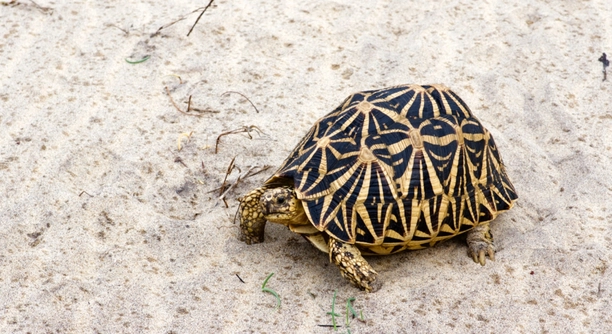
Turtles are fascinating pets that require proper care to thrive. Ensuring their health is essential for their well-being, as even small mistakes can lead to serious health issues. Understanding what to avoid is key to keeping them safe.
Common mistakes that harm a turtle’s health often involve improper diet, lack of UV light, unsanitary living conditions, and incorrect temperature. Neglecting these basic needs can lead to weakened immune systems, shell deformities, and even premature death.
By learning what these common mistakes are, you can make sure your turtle stays happy and healthy for years to come.
Mistake #1: Improper Diet
Turtles need a balanced diet to stay healthy. A common mistake is feeding them too much protein or not enough vegetables. This imbalance can lead to health issues such as obesity or shell problems. Some people also feed their turtles inappropriate foods, such as processed or human food, which lacks the necessary nutrients. Over time, these diet mistakes can weaken the turtle’s immune system, making them more vulnerable to diseases.
For a healthy turtle, offer a mix of leafy greens, vegetables, and occasional protein sources like insects or fish. Freshwater turtles need aquatic plants in their diet as well. It’s essential to avoid overfeeding and ensure variety in their meals to promote long-term health.
Proper feeding is vital for turtles. Over time, a poor diet can lead to metabolic bone disease, an issue that results from improper calcium intake. Providing a proper diet helps prevent this, ensuring your turtle’s growth is steady and they maintain strong bones.
Mistake #2: Lack of UV Light
Turtles need UV light for proper shell and bone health. Without sufficient UVB lighting, they may struggle to metabolize calcium, leading to soft shells and other health complications. This is a very common mistake. Many turtle owners don’t realize how critical UV light is for their pet’s overall well-being.
UVB light should be used for about 10-12 hours a day, and the light source should be close to the turtle’s habitat to provide maximum benefit. If your turtle is primarily indoors, a UVB lamp is necessary for the duration of daylight hours.
Without it, the turtle’s bones can become brittle, leading to painful conditions. Ensure that your turtle receives adequate exposure to UVB light for proper calcium absorption, which will keep their shells hard and strong, preventing long-term health issues.
Mistake #3: Unsanitary Living Conditions
Keeping your turtle’s habitat clean is essential for its health. Dirty water and unclean tanks can cause infections and stress, leading to various health issues. Over time, the buildup of waste in the tank can lead to skin problems and digestive issues.
Turtles need clean, filtered water to thrive. Regularly clean their tank and remove any uneaten food, waste, and debris. If the water is not filtered or replaced often enough, harmful bacteria can multiply, putting your turtle at risk for infections. Regular tank maintenance will keep your turtle happy and reduce the chances of health problems.
In addition to cleaning, ensure that the habitat has proper water temperature and filtration. If the water is too cold or dirty, your turtle may struggle with digestion and become more susceptible to illness. Regular cleaning is one of the simplest ways to keep your turtle’s environment safe and healthy.
Mistake #4: Incorrect Temperature
Turtles are cold-blooded, meaning they rely on external temperatures to regulate their body heat. If the water or air temperature in their habitat is not suitable, it can affect their metabolism and health. Incorrect temperatures can also lead to stress, which weakens their immune system.
Ensure the water temperature is maintained between 75°F and 80°F for most species. The basking area should be slightly warmer, around 85°F to 90°F. These temperature ranges help your turtle digest food, stay active, and maintain a healthy immune system. Regularly check the temperatures in both water and basking areas with reliable thermometers.
Having the correct temperature is essential for a turtle’s overall health. Too hot or too cold, and they may become sluggish or stop eating. Proper temperature control is critical to ensure they remain active and able to digest their food properly, ultimately supporting their immune health.
Mistake #5: Not Providing Enough Space
Turtles need plenty of space to move around and explore. A small or overcrowded tank can cause stress, which affects their health. It can also limit their ability to bask and swim properly, leading to poor physical condition.
A larger tank or enclosure allows your turtle to feel secure and comfortable. It also ensures they have enough space to grow and engage in natural behaviors. Overcrowding leads to territorial issues and stress, which can impact your turtle’s mental and physical health.
A bigger enclosure supports better water quality and more opportunities for exercise. It also helps prevent the buildup of harmful waste, ensuring a healthier living environment for your turtle.
Mistake #6: Improper Substrate
Choosing the wrong substrate can cause health issues for your turtle. Some substrates may contain harmful chemicals, while others can cause impaction if swallowed. Gravel, for example, can be ingested by turtles and lead to blockages.
Use sand, smooth river rocks, or other safe options designed for turtles. Avoid substrates that are too small or can be ingested easily. Choosing the right substrate helps keep your turtle’s digestive system safe while also maintaining a clean and healthy habitat.
A proper substrate also helps maintain the cleanliness of the tank. It prevents waste from accumulating on the bottom, which can lead to bacterial growth and infections in your turtle.
Mistake #7: Ignoring Veterinary Care
Not taking your turtle for regular vet check-ups is a big mistake. Even if your turtle seems healthy, there could be underlying issues that need attention. Regular visits to a reptile vet help ensure that your turtle’s health is on track.
Turtles are good at hiding symptoms of illness, which is why it’s important to have them checked periodically. A vet can detect early signs of infections, shell problems, or metabolic issues. Early intervention can save your turtle from severe health complications later on.
A vet’s advice on diet, habitat, and care can also help you provide the best possible environment for your turtle. Regular check-ups are a key step in ensuring your turtle’s long-term health.
FAQ
How often should I feed my turtle?
The feeding schedule for your turtle depends on its age and species. Baby turtles typically require feeding every day, while adult turtles can be fed every 2-3 days. Offering a varied diet of greens, vegetables, and occasional protein is important for their health. Overfeeding can lead to obesity, so it’s crucial to provide the right portions based on their size and activity level.
What temperature should the water be for my turtle?
Most turtles require water temperatures between 75°F and 80°F. It’s important to maintain a stable temperature for your turtle’s metabolism and overall health. Using an aquarium heater and thermometer can help you keep the water at the correct temperature. If the water is too cold or too hot, your turtle could experience stress, digestive issues, or lethargy.
Do turtles need a basking spot?
Yes, turtles need a basking area where they can dry off and absorb UVB light. This area should be heated to around 85°F to 90°F. UVB light is essential for turtles to metabolize calcium and keep their shells strong. Without a proper basking spot, your turtle may develop shell deformities and weakened bones.
Can I keep different types of turtles together?
It’s generally not recommended to keep different species of turtles together. Turtles have specific needs, and different species may not get along. Some turtles can be territorial and may fight or become stressed in shared spaces. It’s best to house turtles of the same species in the same tank to reduce stress and aggression.
How can I tell if my turtle is sick?
Turtles are excellent at hiding illness, so look for signs like changes in behavior, lack of appetite, swollen eyes, or abnormal swimming patterns. A soft or discolored shell, labored breathing, or skin lesions are also signs that your turtle may be unwell. If you notice any of these symptoms, it’s best to consult a vet.
Do I need a filter for my turtle’s tank?
Yes, a filter is essential for maintaining water quality in your turtle’s tank. Turtles produce a lot of waste, which can quickly degrade water quality and lead to health problems. A good filter helps remove excess waste and keeps the water clean. Make sure to clean the filter regularly to maintain its effectiveness.
What should I do if my turtle’s shell is cracked?
A cracked shell can be serious and requires immediate attention. If the crack is minor, you can clean the affected area gently and keep it dry until it heals. If the crack is deep or bleeding, take your turtle to a vet right away. The vet may apply a special sealant or suggest other treatments to help the shell heal properly.
How long do turtles live?
Turtles can live for a long time, with some species living 30 years or more. Certain species, like box turtles, can even live to be over 100 years old. However, the lifespan of your turtle depends on the species and how well it’s cared for. Providing the right diet, environment, and veterinary care can help ensure a long and healthy life for your turtle.
What is the best tank size for my turtle?
The tank size depends on the size of your turtle. A good rule of thumb is to have 10 gallons of water for every inch of the turtle’s shell length. For example, a 6-inch turtle would need at least a 60-gallon tank. Larger tanks provide more space for swimming, reducing stress and promoting better health.
Can turtles eat fruit?
Yes, turtles can eat certain fruits, but they should be given in moderation. Fruits like strawberries, apples, and melons can be part of your turtle’s diet. However, too much fruit can lead to digestive problems due to its high sugar content. Always remove seeds and pits from fruits before feeding them to your turtle.
How do I clean my turtle’s tank?
Regular tank cleaning is crucial for your turtle’s health. To clean the tank, remove your turtle and empty the water. Scrub the sides and bottom of the tank with a non-toxic cleaner or vinegar to remove algae and dirt. Replace the water with fresh, filtered water. Clean the filter regularly to maintain proper water quality.
What do I do if my turtle stops eating?
If your turtle stops eating, it could be due to stress, incorrect water temperature, or illness. Check the water temperature and make sure it’s within the proper range. If the environment is stable and your turtle still refuses food, it may be time to visit a vet to rule out any underlying health problems.
Can I feed my turtle live prey?
Turtles can eat live prey, but it’s essential to ensure the prey is safe. Live insects like crickets, mealworms, or small fish are good protein sources for turtles. However, avoid feeding your turtle prey that could carry diseases or parasites. Live prey should be given occasionally, not as the primary diet.
Do turtles need calcium supplements?
Yes, turtles need calcium for strong bones and shells. Calcium supplements are especially important for turtles that don’t get enough calcium from their diet or UVB light exposure. You can provide calcium by sprinkling a calcium supplement over their food or offering calcium-rich foods like dark leafy greens.
Final Thoughts
Taking care of a turtle requires attention to their specific needs, from proper diet to a well-maintained habitat. Turtles are low-maintenance pets, but they do require a proper setup to thrive. This includes providing the right temperature, UVB lighting, and a balanced diet. With the right care, your turtle can live a long, healthy life.
It’s essential to understand the behaviors and health signs of your turtle. Observing them closely will help you catch any potential problems early. Whether it’s monitoring their eating habits, checking the water quality, or ensuring their basking area is warm enough, small changes in their environment can make a big difference in their well-being. A turtle’s behavior is often a sign of their health, so keeping track of these can prevent bigger issues later on.
Proper tank maintenance and regular vet check-ups will also keep your turtle happy and healthy. By making sure their environment is clean and safe, you’re preventing many common health issues. The effort you put into understanding your turtle’s needs will pay off in the long run, ensuring they live a fulfilling life.

Hello,
If you enjoy the content that we create, please consider saying a "Thank You!" by leaving a tip.
Every little bit helps us continue crafting quality advice that supports the health, happiness, and well-being of pets around the world, for pets of all shapes, sizes, and species.
We really appreciate the kindness and support that you show us!