
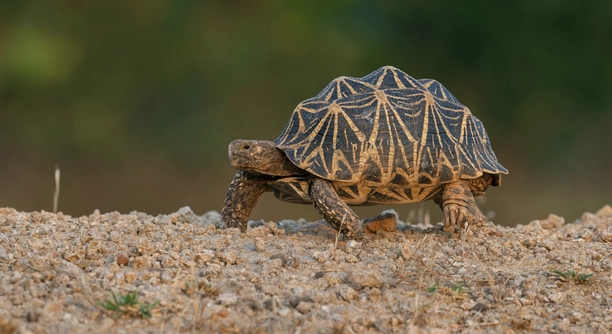
Is your turtle having trouble moving its back legs, leaving you worried about its health? Mobility issues in turtles can be concerning, especially if they appear suddenly. Understanding the possible causes can help you take the right steps for your pet.
A turtle may stop using its back legs due to injury, metabolic bone disease, vitamin deficiencies, or an infection affecting its nervous system. Additionally, impaction from ingesting indigestible materials or a spinal issue can also cause weakness or paralysis in the hind limbs.
Identifying the cause early can improve your turtle’s chances of recovery. Proper care, diet adjustments, and veterinary assistance are essential to ensuring its well-being.
Common Causes of Back Leg Weakness in Turtles
Turtles can experience back leg weakness due to a variety of health issues. Injuries from falls, improper handling, or fights with other turtles can result in mobility problems. Metabolic bone disease, caused by calcium and vitamin D3 deficiencies, leads to weak bones and muscle issues. Infections affecting the nervous system, such as shell rot or respiratory infections, can also contribute to leg weakness. Spinal injuries, often from improper basking platforms or rough surfaces, may impact nerve function. Additionally, impaction from swallowing gravel, substrate, or large food pieces can cause intestinal blockages, affecting movement and overall health.
A turtle struggling with back leg weakness may exhibit lethargy, dragging its legs, or refusing to move. These signs indicate an underlying health issue that requires attention. Identifying the cause early can help prevent further complications and improve your turtle’s condition.
Proper diagnosis is essential for effective treatment. A veterinarian can perform exams, X-rays, or blood tests to determine the root cause. If a dietary deficiency is suspected, adjustments to calcium intake, UVB exposure, and supplements can help. For infections or impactions, medication or surgery may be required. Ensuring a well-balanced diet and a suitable habitat will support recovery and prevent future issues.
How to Help Your Turtle Recover
Providing immediate care is important if your turtle is struggling with mobility. Start by assessing its environment and diet to identify potential issues.
A well-maintained habitat plays a significant role in a turtle’s health. Ensure proper UVB lighting to support calcium absorption and prevent metabolic bone disease. A balanced diet with leafy greens, protein, and calcium-rich foods helps maintain strong muscles and bones. If your turtle lives in water, keeping the tank clean and maintaining the correct temperature can prevent infections. Regularly check for injuries, abnormal swelling, or changes in behavior that might indicate an underlying problem.
Veterinary care is necessary if symptoms persist. A vet can diagnose conditions requiring medical intervention, such as infections or spinal damage. Treatment may involve antibiotics, dietary supplements, or physical therapy. In severe cases, surgery might be needed. Supporting your turtle through proper nutrition, a clean habitat, and routine health checks will improve its quality of life and help restore mobility.
Adjusting Your Turtle’s Diet and Nutrition
A poor diet can lead to weakness and mobility issues. Turtles need a mix of proteins, leafy greens, and calcium-rich foods. Without proper nutrients, they may develop metabolic bone disease, which weakens their bones and muscles, making it difficult to use their back legs.
Calcium is essential for strong bones and muscle function. Dark leafy greens, cuttlebone, and calcium supplements should be part of your turtle’s diet. Protein sources like insects, fish, and pellets help maintain muscle strength. A lack of vitamin D3 can prevent calcium absorption, leading to weakness. Providing proper UVB lighting ensures your turtle gets the necessary vitamin D3 for healthy bone development. Without it, even a calcium-rich diet won’t be effective. Adjusting your turtle’s diet and ensuring exposure to UVB light can prevent long-term health issues and improve mobility.
Overfeeding or offering an unbalanced diet can also contribute to health problems. Too much protein can lead to shell deformities, while excessive fruit consumption may cause digestive issues. Stick to a diet that mimics what turtles eat in the wild. Monitor their food intake and adjust portions as needed. A well-balanced diet, combined with proper lighting and hydration, will keep your turtle active and healthy.
Improving Habitat Conditions for Better Mobility
The right habitat setup supports mobility and prevents health issues. Water turtles need clean, well-filtered water at an appropriate temperature, while land turtles require a spacious, dry enclosure with proper humidity. Poor habitat conditions can lead to infections, stress, and inactivity, all of which affect leg function.
Tank water should be kept between 75-85°F to encourage movement and digestion. A high-quality filter helps maintain water quality, preventing infections that could lead to muscle weakness. Turtles need a basking area with UVB lighting to absorb calcium and regulate body temperature. Without proper basking, they may become lethargic and develop mobility issues. The basking area should be easily accessible, with a gentle ramp or platform to prevent injuries.
For land turtles, a spacious enclosure with a mix of dry and moist areas promotes natural movement. The substrate should be soft yet supportive to prevent foot and leg strain. Regular cleaning helps prevent bacterial infections that could weaken muscles. Keeping the habitat clean, warm, and well-lit ensures your turtle stays active and healthy.
Recognizing Signs of Pain or Discomfort
Turtles experiencing pain may become less active, avoid using their back legs, or show changes in appetite. Swelling, redness, or unusual posture can indicate an injury or infection. If a turtle consistently struggles to move, it could be dealing with an underlying health issue that needs attention.
Sudden aggression or frequent hiding may also be signs of discomfort. A turtle in pain might resist being handled or react differently to its environment. Monitoring behavior changes and addressing potential causes early can prevent worsening conditions and improve overall well-being. Seeking veterinary advice ensures proper diagnosis and treatment.
When to Seek Veterinary Care
If a turtle’s condition does not improve despite habitat and dietary changes, a veterinarian visit is necessary. Persistent weakness, visible injuries, or difficulty moving could indicate a serious issue. X-rays, blood tests, and physical exams can help identify infections, fractures, or nerve damage affecting mobility.
Preventing Future Mobility Issues
Regular health check-ups, a balanced diet, and proper habitat maintenance help prevent leg weakness. Providing a clean environment, appropriate temperatures, and access to UVB lighting supports muscle and bone health. Ensuring turtles have safe basking areas and avoiding rough surfaces minimizes injury risks, promoting long-term mobility and well-being.
FAQ
Why is my turtle dragging its back legs?
If your turtle is dragging its back legs, it could be due to a variety of reasons such as injury, metabolic bone disease, or infection. An injury could cause temporary weakness, while metabolic bone disease, often caused by calcium and vitamin D3 deficiencies, can result in muscle and bone weakness. Infections, particularly those affecting the nervous system, can also impair movement. It’s important to assess the situation by observing for swelling, pain, or behavioral changes. If the issue persists, it’s best to consult a vet for an accurate diagnosis.
What should I do if my turtle isn’t using its back legs?
If your turtle is not using its back legs, first examine its environment for potential hazards such as poor lighting, improper diet, or inappropriate water conditions. Ensure it has access to UVB lighting, which is crucial for calcium absorption. Offer a diet rich in calcium and protein, and check for signs of infection or injury. If the condition persists, a veterinary visit may be necessary to rule out infections, fractures, or neurological issues.
Can a turtle recover from back leg paralysis?
Yes, turtles can recover from back leg paralysis if the issue is caught early. If the paralysis is due to a deficiency, such as a lack of calcium or vitamin D3, proper diet adjustments and UVB lighting can help restore mobility. However, if the paralysis is caused by spinal injuries or neurological problems, recovery may depend on the severity of the condition. In some cases, surgery or physical therapy may be required. Always consult a vet for proper treatment.
How can I prevent leg issues in my turtle?
Prevention is key in avoiding leg issues. Provide a well-balanced diet rich in calcium, protein, and leafy greens. Ensure your turtle has access to UVB lighting, as this is crucial for calcium absorption and bone health. Maintain a clean habitat with the right temperature and humidity to prevent infections. Regularly inspect your turtle for signs of injury or discomfort and ensure its habitat is safe, free from sharp objects or dangerous surfaces. Regular check-ups with a vet can also catch issues early before they worsen.
What are the common signs of metabolic bone disease in turtles?
Common signs of metabolic bone disease (MBD) in turtles include weakness, difficulty moving, soft or deformed shells, and visible bone deformities. Turtles with MBD may also be lethargic, have poor appetite, or show signs of pain when moving. If you notice these symptoms, it’s important to provide proper calcium supplementation and ensure your turtle has access to UVB light. A vet can help confirm the diagnosis and provide additional treatments.
What is the best diet for a turtle with leg weakness?
A turtle with leg weakness should be given a diet high in calcium, vitamin D3, and protein to support bone and muscle health. Offer dark leafy greens such as kale, collard greens, and dandelion greens, which are rich in calcium. Additionally, provide protein sources like insects, small fish, and pellets. Make sure to include calcium supplements or cuttlebone to prevent deficiencies. Also, ensure your turtle gets the right amount of UVB light to aid in calcium absorption.
Can poor lighting cause leg weakness in turtles?
Yes, poor lighting can cause leg weakness in turtles. UVB lighting is essential for calcium absorption, which is necessary for healthy bones and muscles. Without adequate UVB exposure, turtles can develop metabolic bone disease, leading to weakened bones and muscle function. Make sure to provide proper UVB lighting for 10-12 hours a day, and replace the bulb regularly to ensure its effectiveness.
Is my turtle’s inability to move caused by an injury?
If your turtle is unable to move, it could be due to an injury, such as a fracture or sprain, or a more serious underlying health issue like a neurological disorder. Injuries from falls, rough handling, or fights with other turtles can cause damage to the spine or limbs, affecting mobility. Look for visible signs of injury such as swelling, bruising, or an abnormal posture. If you suspect an injury, take your turtle to the vet for a proper diagnosis and treatment.
How do I know if my turtle’s back leg weakness is due to infection?
Back leg weakness caused by infection is often accompanied by other symptoms like swelling, redness, discharge, or fever. Infections, particularly those affecting the nervous system or joints, can make it difficult for turtles to use their back legs. If you notice any of these symptoms alongside leg weakness, a vet should evaluate your turtle for bacterial or fungal infections that might require antibiotics or antifungal treatments.
Can a turtle’s back leg weakness be caused by impaction?
Yes, impaction can cause back leg weakness in turtles. When turtles ingest indigestible materials like gravel, wood, or large food pieces, they can experience digestive blockages. This can lead to weakness, lethargy, and difficulty moving, especially in the back legs. If you suspect impaction, you should consult a vet immediately, as it may require medical intervention, such as fluid therapy or surgery, to remove the blockage.
What temperature should my turtle’s habitat be to prevent leg issues?
Maintaining the right temperature is crucial for preventing leg issues in turtles. For aquatic turtles, the water temperature should be between 75-85°F (24-29°C). For land turtles, the ambient temperature should be around 75-85°F (24-29°C) during the day, with a basking spot that is slightly warmer, around 90°F (32°C). Proper temperature regulation ensures that your turtle can digest food properly and stay active, which is key to preventing leg weakness caused by poor health.
Final Thoughts
Addressing back leg weakness in turtles requires careful attention to various factors, such as diet, habitat conditions, and potential health issues. Turtles rely on UVB light for calcium absorption, which is crucial for their bone and muscle health. If there’s a lack of proper lighting or nutrition, it can lead to conditions like metabolic bone disease, which affects their ability to move. Ensuring a balanced diet rich in calcium, providing adequate UVB exposure, and maintaining the right temperature in their habitat can go a long way in preventing leg weakness.
In cases where a turtle’s back legs are not functioning properly, it’s essential to look for signs of injury or infection. Physical trauma can cause immediate weakness, and infections may develop more gradually. Identifying symptoms early on can help prevent the condition from worsening. If a turtle is showing signs of pain, discomfort, or difficulty moving, it’s vital to act quickly by seeking veterinary care. The sooner the problem is addressed, the better the chances of recovery, especially if the cause is a treatable condition such as a nutritional deficiency or minor injury.
Lastly, prevention is key when it comes to maintaining your turtle’s health. Regular veterinary check-ups, proper care, and a safe environment are essential to keeping your turtle strong and active. Being proactive about your turtle’s needs, such as providing a well-balanced diet and monitoring environmental conditions, can significantly reduce the risk of mobility issues in the future. While some leg issues can be complex, many can be avoided or managed with proper care and timely intervention. Keeping a close eye on any changes in behavior or movement can help ensure your turtle stays healthy for years to come.

Hello,
If you enjoy the content that we create, please consider saying a "Thank You!" by leaving a tip.
Every little bit helps us continue crafting quality advice that supports the health, happiness, and well-being of pets around the world, for pets of all shapes, sizes, and species.
We really appreciate the kindness and support that you show us!