
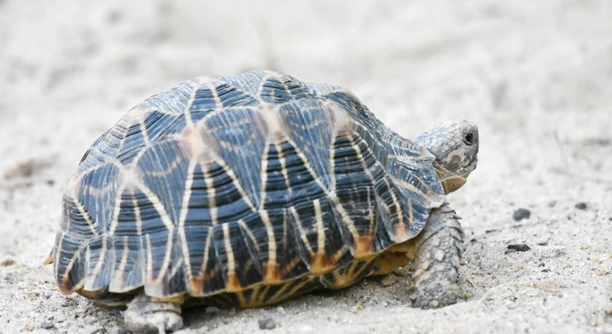
Turtles are fascinating pets, and many owners enjoy watching their little companions bask in the warmth. However, it can be puzzling when a turtle constantly moves its basking spot. Understanding this behavior can help you care for your pet better.
The main reason your turtle moves its basking spot is due to temperature preferences. Turtles need a specific range of temperatures for optimal health. If the basking spot is too hot or too cold, your turtle will move to find a more comfortable location.
The behavior may seem odd, but it’s important to pay attention to the temperatures in your turtle’s habitat. This will help ensure your pet stays comfortable and healthy.
Temperature Control and Its Impact
Turtles are cold-blooded animals, which means they rely on their environment to regulate their body temperature. The basking spot is crucial for your turtle’s health as it helps them absorb heat. If the area becomes too hot or too cold, your turtle will seek out a more comfortable location. For optimal health, the basking spot should be between 85°F and 90°F, while the cooler side of the tank should range from 70°F to 75°F. This temperature difference allows the turtle to move between areas to maintain the right balance.
When your turtle moves around, it is likely trying to adjust to temperature changes. Make sure to monitor both the basking and water temperatures to provide the best living conditions.
Additionally, investing in a reliable thermometer to measure these areas ensures your turtle has access to the right environment. Regularly check the temperature of your tank and basking area, as even small fluctuations can affect your pet’s health.
UVB Light and Its Role
UVB light is essential for turtles to properly absorb calcium and prevent shell deformities. Without adequate UVB exposure, your turtle might seek a new basking spot to find better lighting. It’s important to ensure your turtle’s habitat has a UVB light source that mimics natural sunlight.
UVB light should be placed at an appropriate distance from your turtle’s basking spot. Keep in mind that UVB bulbs lose effectiveness over time, so it’s important to replace them every 6 months.
Stress and Environmental Factors
Stress can make your turtle move its basking spot. Changes in its surroundings, like noise, lighting, or the presence of other animals, might make your turtle feel uncomfortable. Turtles are creatures of habit and do not like sudden changes.
A turtle that is stressed may look for a quieter, more secure location to bask. It’s important to create a calm and consistent environment. Make sure the tank is in a peaceful spot, away from loud noises or activity. Additionally, try to minimize any changes to the tank setup to avoid stressing your turtle.
Sometimes, a turtle might move its basking spot simply because it wants more privacy or a better view. Observing its behavior can help you identify any stress triggers. Keep the tank clean and check for other issues like overcrowding or incompatible tankmates.
Basking Area Design
The design of the basking area plays a big role in how your turtle behaves. A flat, stable surface with easy access to both heat and UVB light is key. If the basking spot is difficult to reach, your turtle might avoid it or move around until it finds a better option.
Make sure the basking area is large enough for your turtle to stretch out. A small, cramped spot can make it uncomfortable and lead to your turtle moving around frequently. Add some climbing spots or gentle slopes to give your turtle options for how it wants to bask. This flexibility can help keep your turtle happy and secure in its environment.
Consider different materials for the basking area, as rough surfaces may irritate the turtle’s shell. Opt for smooth, non-abrasive materials that are easy to clean and won’t harm the turtle. A well-designed basking area supports not only your turtle’s physical health but its overall well-being.
Overfeeding and Health Concerns
Overfeeding your turtle can lead to health problems and cause it to move around more in search of a comfortable basking spot. If a turtle feels sluggish or uncomfortable from overeating, it may seek out different areas to bask.
Ensure you’re feeding your turtle the right amount of food based on its size and age. Overfeeding can lead to obesity, which makes movement difficult and can cause stress. If your turtle is constantly moving around, check its diet and make adjustments as needed to maintain its health.
Water Quality and Basking Behavior
Poor water quality can impact your turtle’s overall behavior, including its choice of basking spot. Dirty or polluted water can cause discomfort, and your turtle may try to avoid it by moving to a different area. Maintaining clean, clear water is crucial for its health.
Regularly filter and clean your turtle’s tank. High ammonia levels or dirty water can irritate your turtle, forcing it to seek out a better environment. A proper filtration system helps maintain clean water and keeps your turtle from feeling the need to relocate. A clean environment supports your turtle’s comfort and well-being.
FAQ
Why does my turtle keep moving its basking spot?
Turtles move their basking spots to regulate their body temperature, find better UVB light, or escape stress. If the basking spot is too hot, too cold, or poorly lit, your turtle will try to find a more suitable spot. Always ensure the basking area is in the right temperature range (85-90°F) and has proper UVB lighting.
How can I make sure my turtle’s basking spot is the right temperature?
Use a thermometer to monitor the temperature of both the basking and water areas. The basking area should be between 85-90°F, while the water should be kept at 70-75°F. Check the temperatures regularly to make sure they stay consistent, as fluctuations can cause discomfort for your turtle.
What can I do if my turtle is constantly stressed and moving its basking spot?
If your turtle is stressed, identify the source of stress, like loud noises, other pets, or overcrowding. Turtles are sensitive to changes in their environment, so it’s important to keep the tank in a calm, quiet area. Try to create a consistent, predictable environment and remove any stress triggers.
Can poor water quality cause my turtle to move its basking spot?
Yes, dirty or poor-quality water can cause your turtle to feel uncomfortable. Turtles may move to different areas of their tank to avoid polluted water. Regularly check the water quality, use a good filtration system, and perform partial water changes every 1-2 weeks to keep the water clean.
Is it normal for a turtle to move its basking spot often?
Occasional movement to find a better basking spot is normal, especially if there are temperature or lighting issues. However, if your turtle is constantly moving, it may indicate an issue with its environment or health. Check the water temperature, lighting, and tank setup to ensure everything is optimal for your turtle.
Can I add more plants or decorations to the tank to make my turtle feel more comfortable?
Yes, adding plants or decorations can help create a more secure and comfortable environment for your turtle. Turtles like having places to hide and explore. Just ensure that the decorations are safe, easy to clean, and don’t take up too much space. Provide your turtle with plenty of room to move around.
How often should I replace the UVB light for my turtle?
UVB bulbs lose their effectiveness over time, even if they still produce visible light. It’s recommended to replace UVB bulbs every 6 months to ensure your turtle is receiving adequate exposure. Regularly check the bulb’s intensity using a UVB meter to be sure it’s still working properly.
Can I let my turtle bask outdoors instead of in a tank?
If you live in a suitable climate and have a secure, safe outdoor area, you can allow your turtle to bask outdoors. However, make sure the area is escape-proof, free of predators, and has proper sunlight exposure. Always supervise your turtle outdoors to prevent accidents.
How much space does my turtle need for its basking area?
Your turtle should have enough space to stretch out completely and move around without feeling cramped. The basking area should be large enough for your turtle to comfortably move between the basking and water zones. A good rule is that the basking area should cover at least one-third of the tank.
Can stress from other animals make my turtle move its basking spot?
Yes, the presence of other animals, especially aggressive tankmates, can stress your turtle and cause it to search for a safer area to bask. Make sure any other animals in the tank are compatible with your turtle, and ensure there’s enough space and hiding spots for your turtle to feel secure.
How long should my turtle bask each day?
Turtles need to bask for around 8-12 hours per day to absorb UVB light and regulate their body temperature. However, the amount of time can vary depending on the turtle’s species and age. Some turtles may need more time basking, while others may need less.
Why is my turtle not basking at all?
If your turtle isn’t basking, it could be due to poor water quality, an uncomfortable basking spot, or health issues. Ensure the basking area is at the right temperature and has enough UVB light. Check the water quality, and make sure your turtle is not stressed or unwell. If it continues not to bask, consult a vet.
Should I be worried if my turtle constantly moves around the tank?
Constant movement around the tank can be a sign of discomfort, stress, or health problems. Check the tank setup, including water quality, temperature, and lighting. Ensure your turtle has enough space and hiding spots. If the behavior continues, consider a vet checkup to rule out any medical issues.
Can I use a heat lamp for my turtle’s basking area?
Yes, a heat lamp is a good option for your turtle’s basking area. Make sure the lamp provides the right temperature and is positioned in a way that allows your turtle to move to cooler areas if needed. UVB lights are also essential to support your turtle’s health.
How can I tell if my turtle is too cold?
If your turtle is too cold, it may become sluggish, spend less time basking, or avoid moving altogether. If you notice these signs, check the water and basking area temperatures. Make adjustments to bring them within the proper range for your turtle’s comfort.
Can moving my turtle’s basking spot cause it to stop eating?
A sudden change in basking spot could cause stress, which may affect your turtle’s appetite. Turtles need a stable and comfortable environment to feel secure enough to eat. If you notice your turtle is not eating, try to reduce any changes to its habitat and ensure it has a proper basking area.
Final Thoughts
Understanding why your turtle keeps moving its basking spot is essential for ensuring its health and well-being. Turtles are sensitive creatures, and their behavior often reflects their comfort level with their environment. If your turtle is constantly relocating its basking spot, it’s likely due to temperature issues, inadequate UVB lighting, or stress factors. It’s important to address these areas to provide your turtle with a stable and comfortable living space. Regularly checking the temperature of the basking area and water, ensuring proper lighting, and maintaining clean water can help prevent your turtle from feeling the need to move.
Creating a proper basking area is key to your turtle’s happiness. Make sure the basking spot is large enough for your turtle to stretch out and is placed at the right temperature. Your turtle should have access to both warmth and UVB light for optimal health. Don’t forget to keep an eye on the water quality and tank environment as well. Poor water quality can cause discomfort, leading your turtle to move to a different spot to find relief. A well-designed and well-maintained habitat will encourage your turtle to bask peacefully and safely.
Finally, always observe your turtle’s behavior closely. If the moving continues despite addressing potential environmental issues, it could indicate stress or a health problem. Stress can come from loud noises, overcrowding, or even the presence of incompatible tankmates. By paying attention to these factors and maintaining a calm and clean environment, you’ll be better equipped to support your turtle’s needs. Taking these simple steps will not only make your turtle feel more comfortable but also ensure its overall health and happiness in the long run.

Hello,
If you enjoy the content that we create, please consider saying a "Thank You!" by leaving a tip.
Every little bit helps us continue crafting quality advice that supports the health, happiness, and well-being of pets around the world, for pets of all shapes, sizes, and species.
We really appreciate the kindness and support that you show us!