
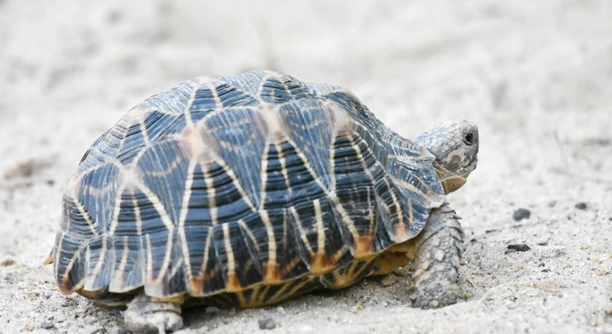
Is your turtle constantly scraping its shell against the rocks in its enclosure? This behavior may seem concerning, but it often has an underlying cause. Understanding why your turtle does this can help ensure its comfort and well-being.
Turtles typically scrape their shells on rocks to aid in shedding, remove algae buildup, or relieve irritation. However, frequent scraping may indicate improper habitat conditions, such as insufficient basking areas, poor water quality, or a nutritional deficiency affecting shell health.
Identifying the cause of this behavior can help prevent potential shell damage. Making adjustments to your turtle’s habitat and diet can promote a healthier and more comfortable environment.
Common Reasons for Shell Scraping
Turtles often scrape their shells to help with shedding. As they grow, their scutes naturally shed, and rubbing against rough surfaces can speed up the process. Algae buildup is another reason. In aquatic environments, algae can accumulate on a turtle’s shell, leading to irritation. Scraping helps remove this buildup and maintain shell hygiene. Additionally, discomfort or itchiness from minor injuries, bacterial infections, or improper humidity levels can cause frequent rubbing. If your turtle is consistently scraping, it may be a sign of an underlying issue that needs attention.
Providing a balanced diet with proper calcium and vitamin D3 levels supports healthy shell development. Ensuring clean water and a well-maintained basking area helps prevent irritation and infections. If the behavior persists despite these adjustments, a veterinary checkup may be necessary to rule out health concerns.
Observing your turtle’s environment and habits can help determine the cause. Addressing the issue early prevents potential damage and discomfort.
How to Prevent Excessive Scraping
A clean habitat reduces the likelihood of excessive shell scraping. Regular water changes and proper filtration help maintain water quality, preventing bacteria or algae buildup that may irritate your turtle’s shell. A designated basking area also ensures they dry off properly.
Providing a variety of surfaces in their enclosure allows natural shedding without excessive scraping. Smooth rocks, driftwood, and a rough basking platform can encourage healthy shell maintenance. Balanced nutrition, including calcium-rich foods and exposure to UVB lighting, promotes strong shell growth. Inadequate nutrition can weaken the shell, making it more prone to irritation.
If you notice any unusual marks, redness, or persistent scraping, a closer inspection is necessary. A soft-bristled toothbrush can help remove algae, but avoid excessive scrubbing. If shell issues persist, consulting a reptile veterinarian ensures your turtle receives proper care. Maintaining a healthy environment helps prevent unnecessary stress and discomfort.
Signs of Shell Damage
Scraping that leads to visible scratches, dents, or soft spots on the shell may indicate a problem. Discoloration, foul odors, or areas that feel softer than usual are signs of bacterial or fungal infections. Persistent damage can weaken the shell, making the turtle more vulnerable to further issues.
Regularly inspect the shell for any abnormalities. If you notice flaking, pitting, or deep cracks, it could indicate poor diet, excessive moisture, or an infection. Providing proper nutrition, including calcium and vitamin D3, helps maintain shell strength. Keeping the enclosure clean and dry during basking time prevents bacteria from developing in small wounds.
If damage worsens or an infection develops, professional care is necessary. A veterinarian can assess the condition and provide treatments like antibiotics or topical solutions. Addressing minor concerns early helps prevent more serious complications that could affect your turtle’s overall health.
When to Seek Veterinary Care
If your turtle continues to scrape excessively despite habitat adjustments, a veterinary visit is necessary. Shell infections, fungal growth, or metabolic issues can cause persistent irritation. A professional can diagnose underlying health concerns and recommend treatment to prevent further damage or discomfort. Ignoring symptoms may result in long-term complications.
A veterinarian may perform a shell cleaning, prescribe medications, or suggest dietary changes. In severe cases, minor shell repairs may be needed to protect against infection. Providing a stress-free environment with proper nutrition and hygiene will aid recovery. Early intervention increases the chances of a quick and successful treatment.
Maintaining Proper Habitat Conditions
A well-maintained enclosure reduces excessive scraping. Keep water clean with regular filtration and partial water changes to prevent bacterial growth. Ensure a proper basking area with UVB lighting and a heat source to support shell health and reduce the risk of fungal or bacterial infections.
Provide a variety of surfaces, such as smooth rocks and driftwood, for natural shell maintenance. Avoid sharp or rough objects that may cause unnecessary damage. Maintaining the right humidity levels is also essential, as excessive moisture can lead to shell issues, while too little can result in dryness and irritation.
Choosing the Right Diet
A balanced diet prevents shell problems and supports overall health. Calcium-rich foods like cuttlebone, leafy greens, and supplements help maintain shell strength. Vitamin D3 is essential for calcium absorption, making UVB exposure critical for proper shell development. Poor nutrition can lead to soft, weak shells prone to damage.
Monitoring Behavior Changes
Sudden changes in behavior, such as excessive hiding or loss of appetite, may signal discomfort or illness. If your turtle continues scraping despite environmental adjustments, observe for additional symptoms. Addressing unusual behavior early can prevent further health complications and ensure a comfortable, stress-free habitat.
FAQ
Why is my turtle scraping its shell on rocks?
Turtles may scrape their shells on rocks to help with shedding or to remove algae buildup. It can also be a way to relieve irritation caused by minor injuries or poor water quality. In some cases, it’s simply a natural behavior, especially in young turtles. However, if the scraping is excessive, it may signal an underlying issue like a nutritional deficiency, improper habitat conditions, or a shell infection. Regular observation of your turtle’s behavior and environment can help identify the cause.
Is shell scraping harmful to my turtle?
Occasional shell scraping isn’t harmful, but excessive or aggressive scraping can cause damage. Scratches, abrasions, or soft spots on the shell can lead to infections or further discomfort. If the behavior continues or worsens, it may be a sign that something in the environment isn’t right, such as poor water quality, incorrect basking conditions, or nutritional issues. Addressing these factors early can prevent more serious damage.
How can I prevent my turtle from scraping its shell?
To prevent excessive scraping, ensure your turtle’s habitat is clean and properly set up. Provide a suitable basking area with UVB lighting and appropriate heat. Maintain good water quality through regular water changes and a proper filtration system. Offering a variety of surfaces like smooth rocks and driftwood helps turtles shed naturally and without injury. Proper nutrition, including calcium and vitamin D3, is also essential for shell health.
What are the signs of a shell infection?
Signs of a shell infection include swelling, redness, soft spots, or a foul odor coming from the shell. Discoloration, cracks, or abnormal growths are also warning signs. If you notice these symptoms, it’s important to consult a veterinarian to prevent the infection from spreading. Early treatment is crucial for a turtle’s recovery.
Can poor diet cause shell scraping?
Yes, poor diet can lead to shell scraping and other shell problems. Turtles need a balanced diet rich in calcium, vitamin D3, and other essential nutrients to maintain healthy shells. Without proper nutrition, a turtle’s shell can become weak, soft, or more prone to damage. Make sure your turtle gets enough calcium through foods like leafy greens, cuttlebone, and supplements, and provides proper UVB exposure to help absorb calcium.
How often should I clean my turtle’s tank to prevent shell scraping?
Regular cleaning is essential for maintaining water quality and preventing bacteria or algae buildup that could irritate your turtle’s shell. Perform partial water changes once a week, and clean the tank thoroughly every two to three weeks. Also, check the filter regularly to ensure it’s working effectively. A clean, well-maintained environment will help prevent shell scraping caused by poor water conditions.
Can my turtle’s shell heal on its own?
Minor scratches and abrasions on a turtle’s shell may heal on their own if the environment is clean and the turtle is provided with proper nutrition. However, more severe damage, such as deep cracks or soft spots, requires veterinary intervention. If you notice signs of infection or worsening conditions, take your turtle to the vet for treatment. Early care is key to preventing permanent damage.
What should I do if my turtle’s shell is soft?
If your turtle’s shell is soft, it could indicate a calcium deficiency or improper UVB exposure. Ensure your turtle’s diet includes calcium-rich foods and UVB lighting to promote healthy shell development. Softness may also be a sign of metabolic bone disease (MBD), which requires immediate veterinary care. Addressing the root cause quickly can help prevent long-term damage.
Can a turtle scrape its shell due to stress?
Stress can lead to abnormal behaviors, including excessive scraping of the shell. Stress in turtles can result from poor tank conditions, incorrect lighting, temperature imbalances, or overcrowding. To reduce stress, ensure your turtle’s habitat is calm, clean, and properly set up. Offering enough space and hiding spots in the enclosure can also help your turtle feel secure.
How can I tell if my turtle is in pain from shell scraping?
Turtles typically hide pain well, but signs of discomfort from shell scraping may include abnormal swimming patterns, loss of appetite, or excessive hiding. If your turtle becomes lethargic, seems to avoid basking, or shows visible damage to its shell, it may be in pain. It’s important to monitor these behaviors closely and consult a veterinarian if symptoms persist.
Final Thoughts
Understanding why your turtle may be scraping its shell on rocks is important for maintaining its health. While some scraping is natural, excessive behavior can signal issues such as poor water quality, inadequate lighting, or nutritional deficiencies. Turtles use their environment to help with shell shedding and cleaning, but if they are scraping too much, it may cause damage. Regularly check your turtle’s shell for any signs of injury or infection. Prompt attention to any changes can prevent more serious problems from developing.
Taking steps to maintain proper habitat conditions will help reduce the likelihood of shell scraping. Ensure your turtle has a clean and properly filtered tank, along with a suitable basking area that provides UVB light and warmth. Proper nutrition is also essential for strong, healthy shells. Providing a diet rich in calcium, vitamin D3, and other essential nutrients will support your turtle’s overall well-being. Offering a variety of smooth surfaces in their enclosure can help them naturally shed without causing damage.
If the scraping persists or worsens, it’s crucial to consult with a veterinarian. Shell injuries or infections can be difficult to treat without professional help. A vet will assess the situation and may suggest treatments to heal any damage or address underlying health problems. By keeping a close eye on your turtle’s behavior and shell condition, you can ensure it remains healthy and happy for years to come.

Hello,
If you enjoy the content that we create, please consider saying a "Thank You!" by leaving a tip.
Every little bit helps us continue crafting quality advice that supports the health, happiness, and well-being of pets around the world, for pets of all shapes, sizes, and species.
We really appreciate the kindness and support that you show us!