
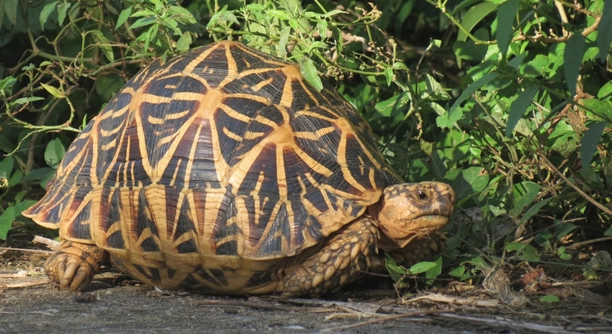
Turtles are wonderful pets, but their health needs specific attention. Keeping your turtle in top shape requires understanding their unique needs and adjusting their environment, diet, and care routines accordingly. Here’s how you can help your turtle thrive.
To improve your turtle’s overall health, it’s essential to provide a balanced diet, proper habitat, and regular health checks. These factors ensure that your turtle remains active, free from illnesses, and has a long, fulfilling life.
From ensuring your turtle’s environment is just right to offering the best food, there are many ways to enhance their well-being. Implementing these tips will create a more comfortable and healthier life for your turtle.
1. Create a Proper Habitat
Your turtle’s home should mimic its natural environment as closely as possible. A clean, spacious tank with both water and dry areas is essential. For aquatic turtles, ensure the water is filtered and kept at the right temperature, usually between 75-80°F. If you have a land-dwelling turtle, make sure the habitat offers a comfortable space to explore, bask, and hide.
Lighting is also crucial. Turtles need UVB light to produce vitamin D3, which helps with calcium absorption. Without this light, your turtle may suffer from shell deformities or other health issues. A basking lamp is equally important, giving your turtle the opportunity to warm up and digest food properly.
Make sure to clean your turtle’s habitat regularly to avoid bacteria buildup that could lead to illnesses. Changing the water frequently and ensuring your turtle has enough room to swim or move around will contribute to its overall health. A healthy environment is vital for your turtle’s well-being, so don’t overlook these basics.
2. Provide the Right Diet
A balanced diet is key to your turtle’s health. Depending on the species, they may need a combination of animal-based proteins, plants, and some fruits. Fresh leafy greens, like kale or dandelion greens, are often great additions.
Different turtles have different dietary needs, so research your specific type of turtle to provide the best nutrition. Offering variety helps avoid nutritional deficiencies, ensuring your turtle gets a healthy mix of vitamins and minerals.
Turtles also need calcium, which they get from certain foods like cuttlebone or calcium supplements. You can grind the cuttlebone and add it to their meals, helping to strengthen their shells. Too much protein or improper foods, however, can lead to health issues such as obesity or kidney problems. Always strive for balance and moderation when feeding your turtle.
3. Regular Health Checks
Monitoring your turtle’s health is vital to catch any early signs of illness. Regularly inspect your turtle for changes in behavior or appearance. If it’s swimming erratically or not eating, something may be wrong. Watch for swelling, soft shells, or any discharge from the eyes or nose.
Taking your turtle to a reptile vet for an annual checkup is also recommended. The vet can spot potential issues early and give you advice on proper care. Regular shell care, including ensuring it remains free from cracks or discoloration, is part of keeping your turtle healthy.
In addition, check for parasites, which can be common in turtles, especially if they spend time outdoors. Keeping your turtle’s living area clean and providing proper hygiene can help avoid this. Keeping a watchful eye on your turtle will help prevent major health problems and ensure they thrive.
4. Provide Mental Stimulation
Turtles, though not as playful as some pets, still need mental stimulation. Adding items to their environment such as floating platforms, tunnels, and toys can encourage exercise and exploration. These objects also help prevent boredom, which can lead to unhealthy behaviors.
Changing their environment occasionally can also provide variety and new challenges. Turtles are intelligent creatures, and providing them with the opportunity to explore keeps them engaged. Just be sure that anything you introduce is safe, as small objects could be a choking hazard.
Feeding time can also be an opportunity for enrichment. You can hide food or create feeding challenges, like floating it in the water or using a puzzle feeder. This encourages your turtle to engage with its surroundings and make use of its natural instincts.
5. Ensure Proper Temperature and Humidity
Temperature plays a huge role in your turtle’s health. Aquatic turtles need their water temperature to be between 75°F and 80°F, while land turtles may need a basking area that is around 85°F. Keeping your turtle’s habitat at the right temperature promotes proper digestion and activity levels.
To maintain the correct conditions, invest in a reliable thermometer and a heat source such as a basking lamp or under-tank heater. For land turtles, humidity is also important. A humid environment helps them shed their skin properly and keeps their respiratory system in check.
A simple misting routine or a humidifier can keep the air moisture at a consistent level, especially in dry climates. Consistency in temperature and humidity reduces stress and helps prevent health problems, such as respiratory infections or shell deformities.
6. Avoid Overfeeding
Overfeeding your turtle can cause a range of issues, from obesity to digestive problems. Stick to a feeding schedule, offering food only once or twice a day, depending on the age and species of your turtle. This will help regulate its metabolism.
To avoid overfeeding, portion food based on your turtle’s size and activity level. Younger turtles typically need more protein, while adults should have a more plant-based diet. Avoid feeding excessive amounts of high-fat foods like fatty fish or processed pellets. These foods can lead to weight gain, shell issues, and long-term health concerns.
If your turtle doesn’t finish its food, remove the leftovers to prevent them from fouling the water. Keep in mind that a balanced diet, rather than excess food, is the key to maintaining your turtle’s health and longevity.
7. Provide Regular UVB Exposure
UVB light is vital for your turtle’s health because it helps them synthesize vitamin D3, which is essential for absorbing calcium. Without proper UVB exposure, your turtle’s bones and shell may become weak, leading to metabolic bone disease.
Ensure your turtle gets at least 10-12 hours of UVB light every day. A UVB bulb should be replaced every 6 to 12 months, as it loses effectiveness over time. Position the light over the basking area, and ensure that it is within the appropriate distance for maximum absorption. Keep the UVB light on a timer to maintain consistency.
If possible, allow your turtle to get some natural sunlight as well, but be mindful of temperature and time limits when placing it outside. UVB exposure, combined with a balanced diet and appropriate habitat conditions, is crucial for your turtle’s overall health.
8. Limit Stressful Environments
Turtles can become stressed from sudden changes in their environment, too much handling, or loud noises. A calm and stable environment helps reduce stress, which is important for their overall well-being. Make sure their habitat is in a quiet spot away from heavy foot traffic.
Stress can lead to health issues such as loss of appetite, lethargy, or even shell deformities. Keeping their space consistent and quiet allows them to feel secure and safe. Handle your turtle only when necessary and avoid sudden movements or noises that could startle them.
A peaceful environment reduces the risk of illness and supports a healthy lifestyle for your turtle.
9. Maintain Clean Water
Water quality is crucial for aquatic turtles. Make sure their water is filtered properly to remove waste and bacteria. Dirty water can lead to shell infections and other health issues. Use a high-quality filter and change the water regularly.
Check the water for clarity and temperature. Turtles can be sensitive to both, so maintaining a clean, stable water source is vital. Poor water quality can cause skin or respiratory issues. Clean the tank regularly, scrub any algae buildup, and ensure your filter is working efficiently. A clean tank promotes a healthy, active turtle.
10. Offer Exercise Opportunities
Turtles, like any pet, need exercise to stay healthy. Ensure they have enough space to move around freely. If they are aquatic, provide floating platforms for basking and swimming. For land turtles, offer an enclosure with space to walk and explore.
Exercise helps prevent obesity, which can lead to joint problems and other health concerns. Allowing your turtle to roam or swim in a safe area is essential for keeping them physically fit. Regular movement also contributes to mental stimulation, which is beneficial for their overall well-being.
FAQ
How often should I feed my turtle?
The frequency of feeding depends on your turtle’s age and species. Younger turtles need to be fed daily, as they are growing and require more nutrition. Adult turtles, however, typically eat every other day or 2-3 times a week. Be sure to offer a variety of foods to meet their nutritional needs, such as leafy greens, fruits, and protein sources like insects or fish. Overfeeding can lead to obesity and health problems, so stick to a consistent feeding schedule and remove any uneaten food after a few hours.
What type of food should I give my turtle?
Turtles are omnivores, meaning they eat both plant and animal-based foods. Offer them a balanced diet, including fresh vegetables like kale, lettuce, and dandelion greens. You can also give them fruit like strawberries and melons in moderation. Protein sources, such as mealworms, crickets, or small fish, are also essential, especially for younger turtles. Be sure to avoid feeding them processed or high-fat foods, which can lead to health issues. Supplement their diet with calcium and vitamin D3 to keep their shell and bones strong.
Do turtles need UVB light?
Yes, UVB light is essential for a turtle’s health. UVB light helps turtles produce vitamin D3, which is crucial for calcium absorption. Without adequate UVB exposure, turtles can suffer from metabolic bone disease, weak shells, and other health issues. Use a UVB light bulb specifically designed for reptiles, and ensure it is replaced every 6 to 12 months to maintain its effectiveness. Place the light over your turtle’s basking area and ensure they get 10-12 hours of UVB exposure daily. If possible, allow them to bask outside in natural sunlight as well, but avoid direct heat exposure.
How can I tell if my turtle is sick?
Sick turtles may exhibit various signs, including a loss of appetite, lethargy, difficulty swimming, or a lack of interest in basking. Check for physical signs like swelling, discolored or soft shells, abnormal eye discharge, or labored breathing. If your turtle isn’t eating or seems sluggish, it could indicate an underlying issue such as an infection, improper habitat conditions, or poor diet. A trip to the vet, preferably one who specializes in reptiles, is essential for diagnosing and treating your turtle’s health problems.
How can I clean my turtle’s tank?
Keeping your turtle’s tank clean is essential for their health. First, remove your turtle and place them in a temporary container while you clean the tank. Use a siphon or aquarium vacuum to remove waste and debris from the substrate. Clean the walls of the tank with warm water and a gentle sponge, removing any algae buildup. For the water, replace about 25-50% of it weekly to ensure it stays clean and fresh. If your tank has a filter, clean it regularly to maintain water quality. A clean habitat helps prevent bacterial growth and keeps your turtle healthy.
How big should my turtle’s tank be?
The size of the tank depends on the species of your turtle. As a general guideline, a 40-gallon tank is recommended for smaller species, with a larger tank being better for bigger turtles. A larger tank provides more room for swimming and roaming, which is essential for your turtle’s health. Aquatic turtles require both water and dry areas for basking. Be sure to provide enough space to meet the specific needs of your turtle and to allow for natural behaviors. For land turtles, make sure their enclosure offers room to roam and hide.
Can I let my turtle outside?
You can allow your turtle outside, but there are important precautions to take. Always ensure the temperature is appropriate, as turtles can easily overheat or become too cold. Keep them in a secure, enclosed area where they can’t escape or be attacked by predators. Be mindful of the natural environment, avoiding areas with pesticides or chemicals that could harm your turtle. Also, never leave your turtle outside unsupervised. It’s a good idea to offer them an opportunity for natural sunlight but make sure they have access to shade and clean water.
How often should I change the water in my turtle’s tank?
Water changes should be done regularly to maintain a healthy environment. For aquatic turtles, aim to change 25-50% of the water every week. This helps keep the water clean and removes waste products. If the tank has a filtration system, it can reduce the frequency of water changes, but the water still needs to be monitored for clarity and cleanliness. Use a water testing kit to check the pH and hardness levels, as maintaining the right water parameters is crucial for your turtle’s health.
Why is my turtle not eating?
There are several reasons your turtle might refuse food. If the water temperature is too cold or too warm, your turtle may lose its appetite. Stress from a change in its environment or from being handled too much can also affect eating habits. Illness, such as respiratory infections or shell problems, can make your turtle less interested in food. If your turtle’s behavior persists for several days or if other symptoms appear, consult with a vet to rule out any health concerns.
What should I do if my turtle’s shell is soft?
A soft shell can be a sign of metabolic bone disease (MBD), which is often caused by a lack of calcium and vitamin D3. Ensure your turtle is getting enough UVB light to help absorb calcium. You can also provide calcium supplements, such as crushed cuttlebone or calcium powder, to support shell health. If the shell remains soft despite these efforts, consult with a reptile vet for proper diagnosis and treatment. MBD can lead to permanent damage if not addressed early, so acting promptly is essential for your turtle’s well-being.
Final Thoughts
Caring for a turtle requires patience and attention to detail. While turtles are low-maintenance pets compared to some other animals, they still need specific care to thrive. Providing the right habitat, diet, and regular health checks ensures that your turtle will live a long and healthy life. It’s essential to stay informed about their needs, as improper care can lead to health problems that are difficult to reverse.
A proper habitat is the foundation of a healthy turtle. Whether it’s an aquarium for aquatic species or a terrarium for land turtles, ensuring they have enough space to move and explore is crucial. Make sure the temperature, humidity, and lighting are all correct. This includes providing UVB light to help with calcium absorption, a basking area for warmth, and clean water or substrate. The environment should always be kept clean and free of harmful bacteria, which can affect your turtle’s health.
Diet and exercise are also key to keeping your turtle healthy. Providing a balanced diet that includes a mix of vegetables, fruits, and proteins will support their overall well-being. Avoid overfeeding, as this can lead to obesity and other health issues. Regular exercise through swimming or roaming encourages healthy growth and muscle development. Don’t forget to regularly check for signs of illness, such as changes in behavior or physical appearance. Early detection of health problems can make a big difference in treatment and recovery.

Hello,
If you enjoy the content that we create, please consider saying a "Thank You!" by leaving a tip.
Every little bit helps us continue crafting quality advice that supports the health, happiness, and well-being of pets around the world, for pets of all shapes, sizes, and species.
We really appreciate the kindness and support that you show us!