
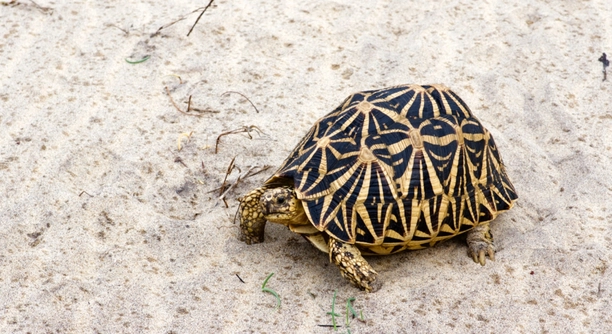
Do you ever come across an injured turtle and feel unsure about how to help? Caring for an injured turtle requires patience, knowledge, and the right steps to ensure a smooth recovery and return to health.
The best ways to help a turtle recover from an injury include cleaning wounds properly, providing a safe and stress-free environment, offering proper nutrition, and seeking veterinary care if needed. Taking these steps will support healing and improve the turtle’s well-being.
Providing the right care can make all the difference in a turtle’s recovery. Learning the best methods ensures you give them the support they need to heal and thrive.
Clean the Wound Properly
When a turtle gets injured, cleaning the wound is the first step to helping it heal. Use lukewarm water to gently rinse away dirt and debris. Avoid using soap or hydrogen peroxide, as these can damage the tissue. Instead, apply an antiseptic like diluted Betadine to disinfect the area. If there is any bleeding, use a clean gauze pad to apply light pressure until it stops. Be careful not to rub or scrub the wound, as this can cause more harm. Keeping the area clean helps prevent infection and allows the healing process to begin.
A turtle’s immune system is slower than that of mammals, making infection a real risk. By keeping the wound clean and monitoring it daily, you help prevent complications. If swelling or pus develops, professional care may be needed.
Regularly changing any bandages and keeping the wound dry can further improve healing. If the injury is deep or worsening, consult a reptile veterinarian for proper treatment.
Provide a Safe Environment
An injured turtle needs a quiet, stress-free place to recover. A separate enclosure with soft bedding and minimal handling will help it rest and heal faster. Keeping the area clean and at an appropriate temperature is also essential.
The enclosure should have clean water, easy-to-reach food, and a hiding spot. If your turtle is aquatic, provide shallow water so it can reach the surface without struggling. For land turtles, use a soft substrate like clean paper towels instead of rough materials that might irritate wounds. Proper humidity levels are also important, as dry air can slow healing, while too much moisture can cause infections.
Avoid bright lights, loud noises, and frequent disturbances. Stress can weaken the immune system and delay recovery. Checking on the turtle regularly without excessive handling ensures it stays comfortable and improves its chances of healing properly.
Offer Proper Nutrition
An injured turtle needs a nutritious diet to heal properly. Provide a balanced mix of leafy greens, vegetables, and protein sources like worms or pellets. Fresh, clean water should always be available, as hydration is essential for recovery. Avoid processed or sugary foods that could slow healing.
Calcium and vitamin supplements can help strengthen the shell and bones. Crushed eggshells, cuttlebone, or calcium powder can be added to meals. For aquatic turtles, feeder fish and shrimp provide extra protein. If the turtle refuses to eat, try offering softer foods or soaking pellets in water to make them easier to chew. Hand-feeding may be necessary in some cases.
Monitor eating habits closely, as a loss of appetite could indicate stress or infection. If the turtle stops eating for several days, consult a veterinarian. A healthy diet will give the turtle the strength it needs to recover.
Minimize Stress
Keeping the turtle in a quiet, low-traffic area helps reduce stress. Loud noises, excessive handling, or sudden changes in the environment can slow healing. A calm and consistent routine will help the turtle feel safe and comfortable. Avoid placing it near other pets or bright lights.
A secure enclosure with hiding spots can make the turtle feel protected. If the turtle is shy, covering part of the enclosure with a towel can provide extra privacy. Maintaining a stable temperature and humidity level is also important, as sudden changes can cause additional stress.
Handle the turtle only when necessary, such as for cleaning or feeding. If it shows signs of distress, give it space to relax. A stress-free environment allows the turtle’s body to focus on healing rather than reacting to external threats.
Keep the Wound Dry
Moisture can slow healing and increase the risk of infection. If the turtle is aquatic, allow it time outside the water in a dry area. For land turtles, keep the enclosure clean and use dry bedding to prevent bacteria from spreading.
Check the wound daily for any signs of excess moisture. If needed, gently pat the area dry with a clean cloth. Avoid placing the turtle in damp environments until the wound starts to heal. Keeping the wound dry helps speed up recovery and prevents complications.
Monitor for Signs of Infection
Redness, swelling, or a foul smell can indicate an infection. If the wound looks worse or produces pus, seek veterinary care. A turtle’s immune system is slow, making infections dangerous if left untreated.
Seek Veterinary Care if Needed
Some injuries require professional treatment. If the wound is deep, bleeding heavily, or not healing, a veterinarian can provide medication or specialized care. Waiting too long to get help can make recovery harder.
FAQ
What should I do if my turtle refuses to eat after an injury?
If your turtle isn’t eating, it could be due to stress, pain, or a serious health issue. Try offering softer foods, like mashed vegetables or soaked pellets. You can also try hand-feeding if necessary. Make sure the temperature and environment are appropriate, as a change in conditions can cause a lack of appetite. If it refuses food for several days, consult a veterinarian.
How can I tell if my turtle’s injury is serious?
A serious injury often shows signs such as deep wounds, severe bleeding, or significant swelling. If the turtle is having trouble moving or shows signs of distress, the injury might need immediate medical attention. An infected wound may produce pus or a bad odor. In any case of uncertainty, it’s always best to seek professional help from a veterinarian.
Can I use human antiseptic on my turtle’s wound?
Human antiseptics, such as hydrogen peroxide or alcohol, should be avoided because they can harm the delicate tissue of a turtle’s skin. Instead, use reptile-specific antiseptics or diluted Betadine. Always ensure that the wound is cleaned gently to prevent further damage.
How long will it take for my turtle to heal?
Healing time depends on the severity of the injury. Minor wounds may take a few weeks, while more severe injuries can take several months. Keeping the wound clean, providing proper nutrition, and maintaining a stress-free environment will help speed up the healing process. Be patient and monitor the wound for signs of improvement.
Should I keep my injured turtle in water?
This depends on the type of injury. If the wound is located on the shell or is not too deep, it may be okay to keep an aquatic turtle in water. However, if the injury is near the legs or face, it is better to let the turtle rest in a dry, clean environment to avoid infection. Ensure that the turtle has easy access to dry areas in the enclosure.
Can I use a heating pad for my turtle?
Heating pads can be helpful for injured turtles, especially if they’re cold-stressed or struggling to regulate their body temperature. Make sure to use a heat pad designed for reptiles, and place it under one side of the enclosure to allow the turtle to move between warmer and cooler areas. Never place the heating pad directly on the turtle, as it could cause burns.
Is it okay to handle my turtle during its recovery?
It’s best to minimize handling to reduce stress, as excessive touching can slow down recovery. Only handle your turtle when necessary, such as for cleaning or changing its environment. Always be gentle, and keep the handling brief to avoid adding additional stress during the healing process.
Can I apply ointments or creams to the wound?
It’s best not to apply ointments or creams unless recommended by a veterinarian. Some creams can trap moisture, which may lead to infection or slow down the healing process. If you are unsure, always consult a vet for the appropriate treatment for your turtle’s injury.
What kind of food is best for a healing turtle?
During recovery, a turtle needs a nutritious diet to support healing. Offer a variety of leafy greens, vegetables, and protein sources such as worms, feeder fish, or high-quality turtle pellets. Adding calcium supplements can help strengthen the shell. Providing a balanced diet will give the turtle the energy it needs to recover.
When should I take my turtle to a vet for its injury?
If the injury is deep, bleeding profusely, or shows signs of infection such as pus, swelling, or redness, it’s time to visit the vet. Other signs that indicate a need for veterinary care include a loss of appetite, lethargy, or difficulty moving. Always consult a veterinarian if you’re unsure about the severity of the injury.
Can a turtle recover from a shell fracture?
Yes, turtles can recover from shell fractures, but the healing process can be slow. It’s important to seek veterinary care as soon as possible for proper treatment, as improper healing can lead to complications. Your vet might use specialized materials to help stabilize the shell during recovery. Keep the turtle in a safe and stress-free environment, ensuring proper care and diet.
How can I prevent my turtle from getting injured in the future?
To prevent future injuries, make sure your turtle’s environment is safe. Remove any sharp objects from its habitat and ensure there are no places where it could accidentally fall. If you keep your turtle outdoors, ensure the area is enclosed and secure. Regularly check the enclosure for hazards, and avoid overcrowding with other animals.
What are signs that my turtle’s wound is healing properly?
Healthy healing is indicated by a reduction in swelling, no further bleeding, and the absence of pus. The wound should begin to close and show new tissue growth. If the turtle is becoming more active and is eating normally, that’s a good sign its recovery is progressing well.
How do I clean my turtle’s enclosure while it’s healing?
During recovery, it’s important to keep the turtle’s environment clean. Regularly remove uneaten food and waste from the enclosure. Clean the water daily for aquatic turtles, and replace the bedding for land turtles at least once a week. Make sure the enclosure is dry and free from bacteria, as cleanliness plays a significant role in recovery.
Final Thoughts
Taking care of an injured turtle requires patience and attention to detail. It’s essential to start by cleaning the wound properly, using the right antiseptic to avoid causing further harm. Keeping the injury clean is one of the most important steps to prevent infection. Whether the turtle is aquatic or terrestrial, a safe and quiet environment will help reduce stress and give the turtle the best chance for a successful recovery. This includes maintaining proper temperature, humidity, and minimizing handling, as stress can slow down the healing process.
Nutrition plays a key role in recovery as well. A well-balanced diet, rich in vitamins, minerals, and protein, helps support the healing process. Including calcium supplements can also strengthen the turtle’s shell and bones. In addition, making sure the turtle is drinking clean water and remains hydrated is crucial. If a turtle refuses to eat, offering softer foods or hand-feeding may help. It’s essential to monitor its behavior and eating habits during recovery, as a loss of appetite or signs of lethargy may indicate that the turtle’s condition is worsening or that further veterinary care is needed.
Lastly, if the injury is serious or doesn’t seem to improve after a few days, consulting a veterinarian is always a good idea. A professional can assess the severity of the injury and provide specific treatment if needed. By following these steps and providing proper care, you can help your turtle heal more effectively and improve its chances of recovery. Whether it’s a minor scratch or a more serious wound, taking the right actions early can make a significant difference in your turtle’s well-being.

Hello,
If you enjoy the content that we create, please consider saying a "Thank You!" by leaving a tip.
Every little bit helps us continue crafting quality advice that supports the health, happiness, and well-being of pets around the world, for pets of all shapes, sizes, and species.
We really appreciate the kindness and support that you show us!