
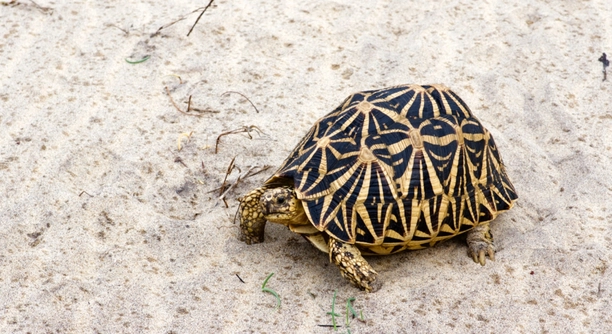
Is your turtle constantly ending up on its back, leaving you worried and unsure of what to do? This situation can be concerning for pet owners, as a flipped turtle may struggle to right itself and face potential health risks.
The most common reason your turtle keeps lying on its back is due to an unbalanced environment or poor tank setup. Slippery surfaces, steep decorations, or health issues such as weakness can make it more prone to flipping over.
A turtle stuck on its back for too long can experience stress and breathing difficulties. Understanding why this happens will help you create a safer habitat and ensure your pet’s well-being.
Common Reasons Your Turtle Keeps Flipping Over
A turtle may end up on its back due to an unstable habitat. Uneven surfaces, steep ramps, or smooth tank decorations can make it difficult for your turtle to maintain balance. If the enclosure lacks proper grip, your turtle might slip and tip over easily. Additionally, turtles with weaker muscles from poor diet or illness may struggle to stay upright. Some turtles even flip over when climbing objects that are too high or when they get startled and lose control. It’s important to identify the reason behind this behavior to keep your pet safe.
If a turtle remains on its back for too long, it can have trouble breathing properly. This can lead to stress, exhaustion, and even serious health problems. Regularly checking your turtle’s habitat and physical condition will help prevent these risks.
To reduce the chances of flipping, create a safe environment. Ensure surfaces have enough texture for grip and remove excessively steep structures. Observe your turtle’s behavior to catch any signs of weakness or illness early. Providing a well-balanced diet and keeping an eye on its movements will help maintain its strength and stability.
How to Help Your Turtle Stay Upright
A proper tank setup plays a big role in preventing your turtle from flipping. Make sure decorations are stable, and avoid placing objects that could cause imbalance. A tank with secure, textured surfaces will make it easier for your turtle to move safely.
A balanced diet and regular check-ups are also important. A lack of essential nutrients can weaken your turtle, making it more prone to flipping. Ensure your turtle gets a variety of food, including protein, vegetables, and calcium sources like cuttlebone. If your turtle seems weak or flips over frequently, consult a veterinarian to rule out underlying health issues.
Observing your turtle’s behavior can give clues about why it keeps ending up on its back. If it often climbs high objects or gets startled easily, consider adjusting its environment to prevent accidents. Keep the water clean, maintain proper temperatures, and ensure there are safe resting spots. By making these small changes, you can create a stable and comfortable space for your pet.
Signs Your Turtle May Be Struggling
A turtle that frequently flips over may show other signs of distress. Lethargy, difficulty swimming, or a lack of appetite could indicate an underlying problem. If your turtle struggles to move properly, it might be weak or dealing with an illness that makes it more prone to tipping over.
A turtle’s shell should be firm and smooth. If it appears soft, cracked, or deformed, this could be a sign of poor nutrition or disease. Turtles with metabolic bone disease often have trouble staying upright due to weakened shells and limbs. Additionally, respiratory infections can cause weakness, making it harder for a turtle to maintain balance. Checking for unusual behavior, like excessive hiding or struggling to climb onto basking areas, can help identify problems early. Addressing health issues quickly will improve your turtle’s overall well-being and reduce the risk of flipping over.
Turtles that are consistently flipped over may be in an unsuitable habitat. A tank with slippery surfaces or sharp angles can make it harder for them to regain balance. If your turtle has trouble righting itself after flipping, this could indicate a lack of strength or improper enclosure setup. Making small adjustments, like adding textured surfaces and secure decorations, can prevent unnecessary stress.
Preventing Future Flipping Incidents
A stable tank setup is essential for keeping your turtle safe. Avoid tall, unstable decorations that can cause imbalance. Smooth rocks or non-slip mats can help provide better grip. If your turtle enjoys climbing, make sure ramps and basking areas have gentle slopes and enough space for easy movement.
Providing a well-rounded diet is key to maintaining your turtle’s strength. Calcium, vitamin D3, and protein-rich foods support shell and muscle health. Without these nutrients, your turtle may develop weakness, making it more likely to flip over. Regular exposure to UVB lighting also helps with calcium absorption, keeping bones and shells strong. If your turtle seems sluggish or has trouble moving, a dietary adjustment might be necessary.
Observing your turtle daily will help catch potential issues early. If it continues to flip over despite habitat improvements, consider consulting a vet. Health problems like infections or metabolic disorders can affect balance and mobility. With proper care, a safe environment, and a nutritious diet, your turtle can stay active and healthy.
When to Seek Veterinary Help
If your turtle frequently flips over and struggles to get back up, a vet visit may be necessary. Weakness, loss of appetite, or unusual behavior can indicate underlying health problems. Ignoring these signs could lead to serious complications that affect your turtle’s overall well-being.
Respiratory infections, metabolic bone disease, and nutrient deficiencies can all cause balance issues. A vet can assess your turtle’s health and recommend dietary changes, supplements, or medical treatment. Catching issues early will help prevent long-term problems and ensure your turtle stays strong and active.
The Role of Proper Hydration
Dehydration can make a turtle weak, increasing the risk of flipping. Fresh, clean water is essential for hydration and overall health. If the water is dirty or too shallow, your turtle may struggle to stay active, leading to instability. Always provide a well-maintained water source to support proper hydration.
Final Thoughts
A well-balanced diet, a safe tank setup, and regular monitoring will keep your turtle healthy. Small adjustments can make a big difference in preventing flipping incidents. Paying attention to your turtle’s needs will ensure it stays strong, active, and comfortable in its habitat.
FAQ
Why does my turtle keep flipping over?
A turtle may flip over due to an unstable tank setup, slippery surfaces, or steep decorations. Weakness from poor nutrition or illness can also make it harder for a turtle to stay balanced. Startled turtles may accidentally flip when trying to move quickly. Ensuring a safe environment can help prevent this.
Is it dangerous for a turtle to be on its back for too long?
Yes, a turtle stuck on its back for an extended period can experience stress, breathing difficulties, and even potential health complications. If the turtle cannot flip itself back over, it may become exhausted or dehydrated. In extreme cases, internal organs can be affected, especially in an unhealthy turtle.
What should I do if my turtle flips over often?
Check the tank setup for steep decorations or slippery surfaces that may cause instability. Ensure your turtle’s basking area has textured surfaces for grip. If your turtle continues flipping despite these changes, observe its movement and overall health, as weakness or illness could be the cause.
Can a turtle flip itself back over?
Most healthy turtles can flip themselves back over using their strong neck and legs. However, if the surface is too slippery or the turtle is weak, it may struggle to regain balance. Providing stable surfaces and monitoring its health will help reduce flipping incidents.
Does shell shape affect a turtle’s ability to flip back over?
Yes, the shape of a turtle’s shell plays a role in how easily it can turn itself upright. Turtles with flatter shells may have more difficulty flipping back compared to those with rounded or domed shells. Aquatic turtles tend to struggle more than land turtles due to their shell structure.
Can stress cause a turtle to flip over?
Yes, a stressed turtle may become more restless and prone to erratic movements, increasing the chances of flipping over. Stress can be caused by poor water conditions, incorrect temperatures, overcrowding, or frequent handling. Keeping the habitat clean and stable can help reduce stress-related behaviors.
What kind of surfaces should I add to my turtle’s enclosure to prevent flipping?
Choose textured surfaces like rough rocks, non-slip mats, or specially designed turtle basking platforms. Avoid overly smooth decorations, as they can make it difficult for your turtle to grip properly. Gradual inclines instead of steep ones will also help prevent flipping.
Can diet affect my turtle’s ability to stay balanced?
Yes, a poor diet can lead to weakness and mobility issues. Turtles need a balanced diet with protein, vegetables, and calcium-rich foods like cuttlebone. Without proper nutrition, they may struggle with muscle and shell development, making them more likely to tip over.
How can I tell if my turtle is too weak to flip back over?
A weak turtle may move slowly, struggle to climb onto basking areas, or show signs of lethargy. If your turtle frequently flips over and has trouble righting itself, it could be experiencing muscle weakness or an underlying health issue that needs veterinary attention.
Should I be worried if my turtle flips over while swimming?
If your turtle flips over in the water but can turn itself upright, it may not be a serious issue. However, if it struggles to right itself or appears disoriented, it could be a sign of a respiratory infection or weakness. Check for other symptoms like wheezing or lack of appetite.
When should I take my turtle to the vet?
If your turtle flips over frequently, appears weak, refuses to eat, or shows other signs of illness, a vet visit is necessary. A professional can check for infections, metabolic bone disease, or other conditions that may be affecting its ability to stay balanced.
Final Thoughts
A turtle flipping onto its back occasionally is not always a cause for concern, but frequent flipping can signal a problem. The main reasons this happens are an unbalanced habitat, slippery surfaces, or steep climbing areas. Some turtles may also flip due to weakness, poor diet, or underlying health conditions. While most healthy turtles can flip themselves back over, some may struggle, especially if they are in a position where they cannot get enough leverage. A turtle left on its back for too long can become stressed, exhausted, and even have difficulty breathing, making it important to correct any issues in its environment.
Preventing flipping incidents starts with creating a safe habitat. This means providing stable surfaces with good grip, avoiding steep or unstable structures, and ensuring your turtle has enough space to move comfortably. A well-balanced diet with the right nutrients is also important for keeping your turtle strong and able to move properly. Regularly observing your turtle’s behavior can help you identify any problems early. If your turtle appears weak, has trouble righting itself, or flips over frequently despite a proper setup, it may be time to consult a veterinarian. Health issues such as metabolic bone disease, infections, or vitamin deficiencies can impact balance and mobility.
Taking care of a turtle requires attention to detail and small adjustments to its environment when needed. A clean tank, proper heating and lighting, and a well-rounded diet all contribute to a healthy and active turtle. By making these simple changes, you can reduce the chances of your turtle flipping over and ensure it stays safe. Regular check-ups, both at home and with a vet, will help you catch potential issues early. Providing a stable and comfortable environment will not only prevent flipping incidents but also keep your turtle happy and thriving for years to come.

Hello,
If you enjoy the content that we create, please consider saying a "Thank You!" by leaving a tip.
Every little bit helps us continue crafting quality advice that supports the health, happiness, and well-being of pets around the world, for pets of all shapes, sizes, and species.
We really appreciate the kindness and support that you show us!