
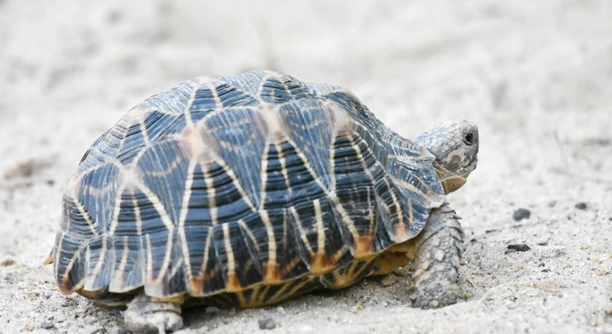
Turtles are amazing pets, but keeping them healthy requires attention to their basic needs, including proper hydration. Their water intake is crucial for overall well-being. This guide will offer some practical ways to keep your turtle hydrated.
Turtles need regular access to fresh water for hydration, proper digestion, and to help maintain their body temperature. Ensuring they have a clean water source, as well as monitoring humidity levels in their environment, will support their hydration.
Keeping your turtle hydrated can be simple if you know the right steps. We will explore the best methods to ensure your turtle stays healthy and comfortable.
Provide Fresh Water at All Times
Turtles need constant access to clean water, and it’s essential to make sure they have enough to drink. The water should be changed regularly to prevent it from getting dirty or contaminated. Turtles will often swim and soak in the water, so it’s important to keep their habitat hygienic. Dirty water can lead to health problems, including skin issues and digestive troubles. A filtration system is a great addition to help keep the water fresh for a longer period of time, reducing the need for frequent changes. However, changing the water every few days is still necessary.
Proper hydration means ensuring the water temperature is right. It should be neither too hot nor too cold. Turtles thrive in a temperature range of 72°F to 82°F.
To further help your turtle stay hydrated, you can also mist their environment with water to maintain moisture levels. This is especially important for land turtles or those who spend time basking in dry environments. They need humidity to support their skin and hydration.
Use a Water Dish for Drinking
A shallow, accessible water dish can make it easier for your turtle to drink. Sometimes, they prefer still water over the water in their swimming area. A separate water dish should be placed in an area where your turtle can easily reach it, but not spill it over.
Additionally, ensure that the water dish is always filled with fresh water. Turtles will drink from it when they are thirsty, helping them stay hydrated. This extra step may be especially helpful for smaller turtles or those in a dry climate.
Consider a Water Fountain
A water fountain is a great way to keep your turtle hydrated. The constant flow of fresh water encourages them to drink more, mimicking natural environments where water moves. It also helps prevent stagnation, which can cause bacteria to grow.
Fountains also provide a more natural experience for your turtle, as they can enjoy the sound of running water, which may attract them to drink more often. The water should still be filtered to ensure it stays clean. This also helps maintain the overall quality of the water, so your turtle gets the hydration they need without worrying about contamination.
The added motion and flow of water also give your turtle a chance to engage with their environment. Many turtles enjoy the movement, and a fountain could add to their enrichment. It’s a simple addition that can have a positive impact on their hydration levels.
Create a Humid Environment
Maintaining the right humidity is crucial for keeping your turtle hydrated. A dry environment can lead to dehydration and skin problems. You can achieve proper humidity by misting your turtle’s habitat regularly, especially if they are land-dwelling.
Humidity helps turtles retain moisture in their skin and respiratory system. It also supports their hydration, especially when they are not near water to drink from. A humidity level between 50% and 70% is ideal for most turtle species.
If you’re unsure about the humidity level, a simple hygrometer can measure it. If it’s too low, you can increase the humidity by adding a humidifier or placing damp towels near the habitat. Just be sure to avoid making the space too wet, as this could lead to mold or other issues.
Offer Water-Based Foods
Water-based foods can help keep your turtle hydrated. Fruits and vegetables like watermelon, cucumber, and lettuce have high water content. These can be offered as a treat and will provide extra hydration alongside their regular meals.
You can feed these water-rich foods in small portions to avoid overfeeding. Fresh greens like kale, dandelion greens, and collard greens are also good options. They not only provide hydration but also offer essential nutrients for your turtle’s health. Make sure to wash the veggies and fruits thoroughly to avoid pesticide exposure.
Add a Humid Hideout
A humid hideout can provide a safe and comfortable place for your turtle to rest. These hideouts help maintain moisture, providing relief from dry environments. They can also serve as a retreat where your turtle can stay hydrated and avoid stress.
Providing a hideout that’s slightly more humid than the rest of the habitat supports your turtle’s skin and hydration. Use materials like moss or damp substrates to retain moisture in the hideout. This will help your turtle stay hydrated without needing to rely solely on water sources.
FAQ
How do I know if my turtle is dehydrated?
Dehydration in turtles can be hard to spot, but there are a few signs to watch for. One common symptom is sunken eyes. If your turtle’s eyes look dull or sink into the sockets, it could be a sign that they are not getting enough water. Another indicator is dry, flaky skin, especially around the head or legs. Additionally, a lack of appetite, lethargy, or difficulty moving can also signal dehydration. If your turtle is not soaking in the water or seems excessively tired, it might need more hydration.
How often should I change the water in my turtle’s tank?
Water quality is crucial for your turtle’s health. The water in the tank should be changed at least once a week to prevent bacteria build-up and contamination. If you notice the water becoming murky or smelling, it’s a sign that it needs to be changed sooner. A filtration system can help maintain cleaner water for a longer period, but regular water changes are still necessary. In general, it’s important to monitor the water’s clarity and smell to gauge when a change is needed.
Can turtles drink from their tank’s water or do they need a separate water dish?
Turtles can drink from their tank’s water, but it’s still a good idea to offer a separate water dish. While they may drink from the tank, a separate dish ensures they have clean, fresh water available at all times without any contaminants from the tank’s substrate or waste. Additionally, providing a water dish may encourage your turtle to drink more regularly.
What kind of water is best for my turtle?
Turtles require fresh, clean water that is free of chlorine and other chemicals. Tap water can often contain chlorine or chloramine, which are harmful to your turtle. If you use tap water, it’s a good idea to treat it with a water conditioner to remove chlorine. Alternatively, you can use bottled or filtered water to ensure the best quality for your turtle.
How can I ensure my turtle has the right humidity levels?
Humidity is essential for keeping your turtle hydrated and healthy, especially for land-dwelling species. You can maintain the proper humidity by misting the habitat with water regularly, ideally once or twice a day. A hygrometer will help you monitor the humidity levels. Keep it between 50-70% for most species. You can also add a humid hideout or a damp towel in their enclosure to create a more humid environment.
Is it necessary to use a filtration system in my turtle’s tank?
Using a filtration system in your turtle’s tank is highly recommended. It helps to keep the water clean and reduces the frequency of water changes. A good filter will remove waste, uneaten food, and other debris that can quickly pollute the water, making it unsafe for your turtle. Filters also help maintain water clarity, which in turn promotes better overall health for your turtle.
Can I feed my turtle fruits and vegetables for hydration?
Yes, offering fruits and vegetables with high water content is an excellent way to help keep your turtle hydrated. Vegetables like lettuce, cucumbers, and squash are good choices. Fruits like watermelon and cantaloupe can also provide extra hydration. Make sure to offer them in moderation, as too much fruit can lead to an imbalance in your turtle’s diet.
What temperature should my turtle’s water be?
The water temperature is just as important as the cleanliness for your turtle’s hydration. Most aquatic turtles thrive in water temperatures between 72°F and 82°F. Water that is too cold can stress your turtle, making it harder for them to absorb nutrients and remain hydrated. On the other hand, water that is too hot can be harmful as well. Use an aquarium heater to regulate the temperature if needed.
How can I make sure my turtle gets enough water if it doesn’t like to soak?
If your turtle doesn’t like to soak, you can provide water-based foods like cucumbers and watermelon to ensure they’re still getting hydration. Offering water through a shallow water dish where your turtle can easily drink may also help. Additionally, misting the habitat and creating a humid environment can encourage them to absorb moisture from the air.
Final Thoughts
Keeping your turtle hydrated is a key part of ensuring it stays healthy. Just like any pet, turtles need water not only to drink but to help with digestion, skin health, and temperature regulation. Having a clean water source available at all times is one of the simplest ways to ensure your turtle gets the hydration it needs. It’s important to change the water regularly, either by using a filtration system or manually, to maintain a clean environment. By paying attention to the water temperature and cleanliness, you help your turtle stay comfortable and hydrated.
Additionally, offering water-based foods like watermelon and cucumbers can be a great supplement to your turtle’s hydration needs. These foods provide extra moisture, which can be especially useful if your turtle is reluctant to soak in water. A varied diet, along with clean water, will help maintain your turtle’s hydration and overall health. Also, monitoring the humidity level in your turtle’s habitat is important for their skin and breathing. This can be done by misting the tank or adding a humid hideout, which creates a more natural and comfortable environment for your turtle.
Finally, keep in mind that turtles are unique creatures, and their hydration needs might vary depending on the species. Some turtles, especially land turtles, may require more humidity, while aquatic turtles need more frequent water changes to keep their environment clean. Understanding the specific needs of your turtle will help you create the best possible setup for them. By focusing on hydration, temperature, and habitat cleanliness, your turtle will thrive in a healthy and comfortable environment.

Hello,
If you enjoy the content that we create, please consider saying a "Thank You!" by leaving a tip.
Every little bit helps us continue crafting quality advice that supports the health, happiness, and well-being of pets around the world, for pets of all shapes, sizes, and species.
We really appreciate the kindness and support that you show us!