
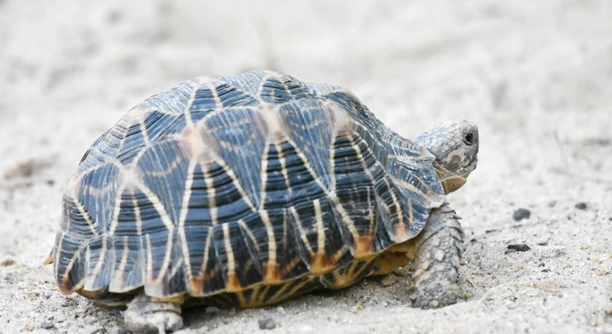
Turtles are fascinating creatures that can sometimes display strange behaviors. If you’ve noticed your turtle trying to eat gravel, you’re not alone. It’s important to understand why this happens so you can better care for your pet.
Turtles may attempt to eat gravel for a variety of reasons, including hunger, curiosity, or a mistaken attempt to ingest food. However, it can also be a sign of a dietary deficiency, such as a lack of calcium or other essential nutrients.
There are several factors that contribute to this behavior. Understanding the root cause can help you find the best solution for your turtle’s health and well-being.
Why Turtles Try to Eat Gravel
Turtles are known to explore their environment using their mouths, so seeing them nibble on gravel is a common behavior. It’s often due to their instinctive desire to forage for food. In the wild, turtles might consume small pebbles or debris to help grind up their food. However, when in captivity, gravel can be mistakenly seen as something edible. It’s also possible that the turtle is simply exploring its surroundings out of curiosity. It’s important to keep an eye on this behavior to make sure it doesn’t lead to any health problems.
Some turtles may even confuse gravel with food, especially if they aren’t getting enough of the nutrients they need. It’s vital to check their diet to ensure they are eating the proper amount of food and minerals.
If your turtle has a balanced diet but still eats gravel, there could be an underlying issue. It might be due to boredom, stress, or a lack of proper enrichment. Ensuring your turtle has enough space and stimulation can help reduce this behavior.
The Risks of Eating Gravel
When a turtle eats gravel, it can cause harm to its digestive system. Gravel can lead to blockages, which may require surgery to remove. Sharp pieces can also injure the inside of the turtle’s mouth or stomach. This is why it’s crucial to prevent this behavior.
Ingesting gravel can also affect your turtle’s ability to properly digest food. Over time, small stones may accumulate in the intestines, leading to discomfort and even severe digestive issues. This is especially true if the turtle continuously tries to eat gravel. If you notice this happening regularly, it may be a sign that something is wrong with its diet or environment.
Keeping the tank clean and free of small stones is essential. Switching to larger substrate, such as smooth pebbles or sand, can reduce the risk of your turtle swallowing harmful objects. Ensure that any food provided is soft enough for easy consumption and digestion to minimize the chance of the turtle trying to ingest non-food items.
How to Correct the Behavior
If your turtle consistently tries to eat gravel, it’s important to address the root cause. Start by examining its diet. Sometimes, a lack of essential nutrients like calcium or fiber can make turtles more likely to eat things they shouldn’t. You can consult a veterinarian to ensure that your turtle is getting all the proper nutrients.
Make sure your turtle’s habitat is enriched and stimulating. Boredom or stress can lead to unhealthy behaviors like eating gravel. Provide hiding spots, areas to explore, and safe places to bask. A varied environment helps keep your turtle mentally and physically healthy.
In addition to diet and enrichment, it’s helpful to monitor the amount of food being provided. Overfeeding can lead to your turtle feeling less satisfied, causing it to seek out other things to eat, such as gravel. Proper feeding habits and a balanced diet will support your turtle’s health and help reduce this behavior.
Ensuring a Balanced Diet
A proper diet is essential for your turtle’s health. If they are lacking nutrients, they may seek out gravel in an attempt to compensate. Offer a mix of protein, leafy greens, and other vegetables, along with occasional treats. Make sure the food is rich in calcium to support bone health.
Check the foods you’re feeding for the right nutrient levels. You might need to adjust based on your turtle’s specific species and needs. Providing a proper, well-rounded diet can prevent the craving for non-food items like gravel. It’s always best to consult a vet for guidance on nutrition.
Alternative Substrate Choices
Instead of gravel, use a substrate that’s safer for your turtle. Options like smooth pebbles, sand, or a soft, safe bedding are ideal. This reduces the risk of your turtle ingesting harmful objects while still providing a natural, stimulating environment.
Make sure the substrate is easy to clean and non-toxic. This will help maintain a healthy habitat for your turtle. Some turtles also enjoy hiding in the substrate, so pick one that’s comfortable for them to explore.
FAQ
Why does my turtle keep trying to eat gravel?
Turtles are naturally curious and may explore their environment by biting or nibbling on various objects. Gravel often looks like food or something worth investigating. Sometimes it’s just a behavior driven by instinct, as turtles in the wild eat small stones to help break down food in their stomachs. However, if the behavior is frequent, it could be due to hunger, boredom, or a nutritional deficiency.
Is eating gravel dangerous for my turtle?
Yes, eating gravel can be dangerous for your turtle. Small stones or gravel can cause blockages in the digestive system, leading to pain, bloating, or even more severe health issues. Ingested gravel may also scrape or injure the turtle’s mouth and stomach lining. If this continues, it might require veterinary intervention to remove the gravel.
How can I stop my turtle from eating gravel?
Start by eliminating gravel from the tank. Use a different type of substrate, such as larger pebbles, sand, or safe bedding material. Ensure your turtle’s diet is balanced, as nutritional deficiencies can lead to this behavior. Consider providing more enrichment and space for your turtle to explore, which can help reduce boredom-driven behaviors.
What kind of food should I be feeding my turtle?
Your turtle needs a balanced diet to stay healthy. A mix of leafy greens, such as kale and collard greens, along with protein-rich food like insects or shrimp, is essential. Depending on the species, some turtles may also enjoy fruits. Make sure to include a calcium supplement to support their shell and bone health. It’s also helpful to offer a variety of foods to keep your turtle interested.
Should I be concerned if my turtle eats sand?
Eating sand can also be harmful to your turtle. Just like gravel, sand may cause digestive blockages, leading to potential health problems. If you notice your turtle eating sand, switch to a safer substrate option. Some turtles, particularly aquatic species, prefer to dig in the sand. Ensure it’s a non-toxic type of sand and monitor the turtle’s behavior closely to prevent ingestion.
Can gravel eating be a sign of stress?
Yes, stress can lead to odd behaviors in turtles, including eating gravel. Stress in turtles can be caused by various factors, such as poor tank conditions, inadequate temperature, or lack of stimulation. Check your turtle’s habitat for signs of stress and make adjustments to improve its environment. Reducing stress may help curb the gravel-eating habit.
How often should I feed my turtle?
The feeding schedule depends on the age and species of your turtle. Generally, juvenile turtles should be fed daily, while adult turtles can be fed every other day. Overfeeding can lead to obesity, so be sure to provide the appropriate portion size for your turtle. Offering a variety of food options is crucial to meet all their dietary needs.
What signs should I look for if my turtle has eaten gravel?
If your turtle has eaten gravel, look out for signs of discomfort such as lethargy, bloating, or difficulty moving. It may also show signs of loss of appetite or struggle with bowel movements. If you observe any of these symptoms, consult a veterinarian to ensure that no blockages have occurred and to prevent further complications.
Can I feed my turtle pellets instead of fresh food?
Pellets can be a convenient part of your turtle’s diet but should not be the sole food source. Fresh vegetables, fruits, and protein-rich food should always be included to ensure your turtle receives a balanced diet. Pellets can be used as a supplement, but variety is key to keeping your turtle healthy.
How can I tell if my turtle is bored?
Boredom in turtles can show up in various ways. If your turtle is constantly digging, pacing, or showing signs of aggression, it could be due to a lack of enrichment. Turtles need space to roam and places to hide or bask. Adding different textures or structures in the tank can help reduce boredom.
Is it okay for my turtle to eat plants?
Yes, many species of turtles eat plants, and they should be part of their diet. Leafy greens, aquatic plants, and even some fruits can be beneficial. Be sure to offer a variety of plants to ensure your turtle is getting all the nutrients it needs. Avoid feeding them toxic plants, as some varieties are harmful to turtles.
How can I create a more enriching environment for my turtle?
A more enriching environment can be created by adding hides, basking areas, and various substrates for your turtle to explore. Having live plants, rocks, and safe logs or branches will also provide natural climbing opportunities. These additions can prevent boredom and reduce undesirable behaviors like eating gravel.
What size tank is best for my turtle?
The size of the tank depends on the species of turtle. As a general guideline, a 40-gallon tank is a good starting point for most species, with larger turtles needing even more space. A bigger tank allows your turtle to move freely, reducing stress and giving them more space to explore, which can prevent behaviors like gravel eating.
Should I be concerned if my turtle isn’t eating?
If your turtle isn’t eating, it could be a sign of illness or environmental stress. It may also refuse food due to changes in temperature or lighting. First, check that your turtle’s habitat is properly set up. If the lack of appetite continues, consult a vet to rule out any health issues.
Final Thoughts
Turtles can be fascinating pets, but like any animal, they come with their unique behaviors and needs. When a turtle starts trying to eat gravel, it’s important to understand that this behavior usually stems from either curiosity, hunger, or a lack of proper nutrition. Turtles, by nature, explore their surroundings using their mouths, and gravel might seem like something worth investigating. However, while this may seem harmless at first, it can lead to health issues like digestive blockages, mouth injuries, and more. Understanding why this behavior occurs and taking steps to correct it is crucial for keeping your turtle healthy and happy.
The first step to solving the problem is to ensure your turtle has a proper, balanced diet. A lack of calcium or other essential nutrients might make a turtle more likely to seek out gravel or other non-food objects. By providing a well-rounded diet that includes a variety of fresh greens, protein, and calcium, you can reduce the chances of this behavior. It’s also important to check that the food you’re offering is suitable for your turtle’s species and age. If you’re unsure about their dietary needs, it’s always a good idea to consult a veterinarian. Proper feeding habits not only prevent gravel-eating but also support your turtle’s overall health.
Additionally, the environment in which your turtle lives plays a significant role in their behavior. A stressful or boring environment can lead to your turtle trying to find entertainment in less desirable ways, such as eating gravel. Providing enough space, hiding spots, and enrichment can help prevent your turtle from resorting to unhealthy behaviors. Switching to a safer substrate, like sand or larger pebbles, can also reduce the risk of ingestion. By making these adjustments and closely monitoring your turtle’s health and behavior, you can create a more positive and safe environment for your pet.

Hello,
If you enjoy the content that we create, please consider saying a "Thank You!" by leaving a tip.
Every little bit helps us continue crafting quality advice that supports the health, happiness, and well-being of pets around the world, for pets of all shapes, sizes, and species.
We really appreciate the kindness and support that you show us!