
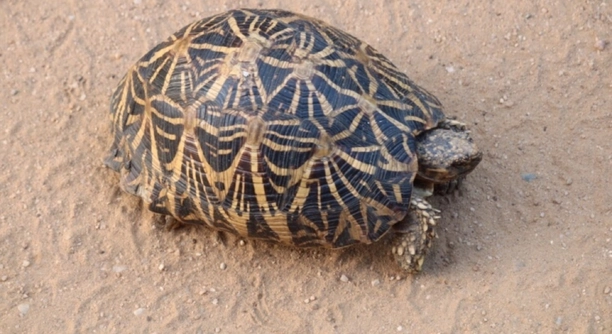
If you’ve noticed your turtle’s tail looking swollen, it can be concerning. A swollen tail might indicate an issue with your pet’s health that needs attention. It’s important to understand the causes and how to address them.
Swollen tails in turtles can result from various factors such as infections, injuries, or even improper habitat conditions. In some cases, it may signal a more serious health problem, which should be evaluated by a vet promptly.
Knowing the potential causes behind the swelling can help you take the right steps to care for your turtle. Keep reading to learn more about what could be happening and how you can help.
Common Causes of a Swollen Tail in Turtles
A swollen tail in turtles can happen for a few reasons. One of the main causes is an infection, which can occur if bacteria enter through a wound. Injuries from accidents or rough handling can also lead to swelling, as can improper living conditions. For example, a tank that’s too cold or too dirty can stress the turtle’s immune system. Another possibility is that the swelling is related to a condition called abscesses, where pus forms in the tail area, leading to visible swelling. Parasites and poor nutrition can also contribute to these symptoms, although they are less common. It’s important to assess the situation carefully to identify the right cause.
When noticing a swollen tail, it’s essential to keep an eye on the turtle’s overall behavior. If they seem lethargic, have trouble eating, or act unusually aggressive, these signs might point to a more serious problem.
In any case, you should consult with a vet who can provide a proper diagnosis and treatment plan. It’s always best to address these health issues early to prevent further complications.
How to Prevent Swollen Tails in Turtles
Keeping your turtle’s environment clean and well-maintained is essential to preventing health problems, including swollen tails. Make sure their tank temperature is within the ideal range and that their water is changed regularly to avoid bacterial growth.
A proper diet also helps keep the immune system strong. Ensure your turtle has a balanced mix of fresh vegetables, protein, and appropriate calcium supplements. Monitoring your turtle for signs of injury or infection is important, so watch their behavior regularly. Proper habitat conditions and care can reduce the likelihood of tail swelling and other health issues.
Signs of Infection in Your Turtle’s Tail
If your turtle’s tail is swollen, it could be due to an infection. Look for signs such as redness, discharge, or a foul smell around the tail area. These symptoms usually indicate that bacteria are present, and your turtle may need immediate care.
Infections in turtles can develop quickly, especially if the tank conditions are poor or the turtle has suffered an injury. When an infection takes hold, the swollen area may feel warm to the touch. Over time, the swelling might increase, and the turtle could appear sluggish. If left untreated, an infection could spread and cause further harm, so it’s essential to take action as soon as you notice these signs.
The best course of action is to consult with a vet who specializes in reptiles. They may prescribe antibiotics or other treatments to address the infection. Keeping the turtle’s habitat clean and maintaining proper water conditions can prevent infections from occurring in the first place.
Treating a Swollen Tail from Injury
Turtles are naturally curious and may injure themselves while exploring their habitat. Swelling from an injury is often easier to treat if caught early. Start by examining the tail closely for cuts, bruises, or signs of trauma.
If there is visible injury, you’ll want to clean the area with a mild antiseptic. Avoid using harsh chemicals that could irritate the skin. If the injury seems deep or is not healing, it may require a vet’s attention. A turtle’s immune system can be weakened by stress or improper living conditions, which makes wounds take longer to heal.
To prevent further injury, make sure your turtle’s environment is safe. Check for sharp objects or uneven surfaces in the tank that could cause harm. Also, make sure the water temperature and filtration system are appropriate for your turtle’s health.
The Role of Diet in Turtle Health
A poor diet can contribute to various health problems in turtles, including tail swelling. Lack of proper nutrition can weaken their immune system, making them more susceptible to infections and other issues. Offering a balanced diet is key to preventing these problems.
Ensure that your turtle gets a mix of vegetables, protein, and calcium. Some turtles may also benefit from occasional vitamin supplements. A diet high in calcium supports shell and bone health, while protein is crucial for growth and energy. Avoid feeding them too much processed food, as this can lead to obesity and other health issues.
How to Maintain Proper Tank Conditions
Maintaining the right conditions in your turtle’s tank is essential for overall health. The temperature, water quality, and cleanliness directly impact the turtle’s well-being. A dirty tank or water that is too cold can stress the turtle, leading to health problems like swollen tails.
Regularly clean the tank and change the water to prevent bacteria build-up. Make sure the water temperature is ideal for the species of turtle you have. A basking area should also be provided, allowing the turtle to warm up when necessary. Ensuring proper filtration and water circulation can reduce the risk of infections.
When to Seek Veterinary Help
If your turtle’s swollen tail shows no signs of improvement or worsens, it’s time to visit a vet. A professional can diagnose the problem and offer appropriate treatments.
FAQ
What should I do if my turtle’s tail is swollen?
If your turtle’s tail is swollen, start by carefully examining the area. If you see signs of infection like redness, discharge, or a bad smell, consult a vet immediately. If the swelling seems to be caused by an injury, keep the area clean and monitor for any changes. Make sure your turtle’s living conditions, including water temperature and cleanliness, are ideal. A visit to the vet is necessary if the swelling does not improve or worsens, as they can provide proper treatment.
How can I prevent swelling in my turtle’s tail?
To prevent tail swelling, make sure your turtle has a clean and properly maintained habitat. The water temperature should be suitable for the species, and the water should be filtered and changed regularly. A balanced diet, including vegetables, protein, and calcium, will support their immune system and overall health. Regular checkups and monitoring your turtle’s behavior can help catch any issues early, reducing the risk of swelling or infections.
Can poor water quality cause a swollen tail in turtles?
Yes, poor water quality can cause a variety of health problems for turtles, including swollen tails. Dirty water can introduce bacteria and other pathogens, which can lead to infections and other complications. Keeping the tank clean, changing the water regularly, and ensuring proper filtration can prevent these issues. Monitoring the water temperature is also important, as water that is too cold can stress your turtle, making it more susceptible to health problems.
How do I know if the swelling is due to an infection or injury?
If the swelling is caused by an infection, you may notice redness, pus, or a foul smell around the tail. Infections often happen after a wound or injury, but they can also occur due to bacteria in the water or improper care. If the swelling follows a noticeable injury, like a bite or scratch, it’s more likely to be trauma-related. In both cases, it’s best to consult a vet to determine the exact cause and get proper treatment.
Is it normal for a turtle to have a swollen tail?
No, it’s not normal for a turtle to have a swollen tail. A swollen tail is usually a sign of an underlying health issue, such as an infection, injury, or poor living conditions. If you notice swelling, it’s important to act quickly by examining the area, maintaining proper tank conditions, and seeking veterinary care if needed.
How can I tell if my turtle is in pain from a swollen tail?
Turtles can be quite good at hiding pain, but there are signs you can look for. If your turtle is limping or not moving its tail as much, it might be in pain. You may also notice changes in their behavior, like becoming more withdrawn, eating less, or appearing more aggressive than usual. If you suspect your turtle is in pain, it’s important to get it checked by a vet to ensure proper treatment.
What are the best tank conditions for my turtle’s health?
The best tank conditions for your turtle depend on its species, but there are general guidelines you can follow. The water temperature should typically be between 75°F and 85°F, and the basking area should be slightly warmer. Ensure that the water is clean, with a proper filtration system, and change the water regularly to maintain good water quality. Turtles also need a UVB light to help them metabolize calcium and keep their shells healthy. Providing space for your turtle to swim and bask is essential for its overall well-being.
How do I treat a swollen tail caused by injury?
If your turtle’s swollen tail is caused by an injury, the first step is to keep the area clean. Use a mild antiseptic to disinfect the wound, and avoid using harsh chemicals that may irritate the skin. Monitor the swelling and, if it doesn’t improve, consult a vet. In more severe cases, the vet might need to treat the injury with specific medications or drainage if an abscess forms.
Can I use over-the-counter treatments for my turtle’s swollen tail?
It’s best to avoid using over-the-counter treatments for your turtle’s swollen tail without a vet’s guidance. Some medications or creams meant for other animals can harm turtles. If you suspect an infection or injury, it’s safer to consult with a vet who can recommend the right course of treatment.
What are common diseases that could cause a turtle’s tail to swell?
A few common diseases that could lead to a swollen tail in turtles include abscesses, shell rot, and septicemia. Abscesses are often caused by bacterial infections, while shell rot can occur from poor water conditions or trauma. Septicemia is a blood infection that can cause swelling and should be treated immediately by a vet. Any of these conditions require prompt attention to prevent further damage to the turtle’s health.
Final Thoughts
A swollen tail in turtles can be a sign of various health issues, and it’s essential to take it seriously. Whether it’s caused by an injury, infection, or poor living conditions, addressing the problem early is key to preventing further complications. By monitoring your turtle’s behavior and keeping its habitat clean and well-maintained, you can reduce the risk of health issues, including tail swelling. Proper care, a balanced diet, and regular vet check-ups are vital to ensuring your turtle’s long-term health.
If you notice swelling in your turtle’s tail, the first step is to assess the situation carefully. Check for any signs of injury or infection, such as redness, discharge, or foul odors. It’s important not to ignore these symptoms, as untreated infections can lead to more serious problems. A visit to the vet is often necessary for a proper diagnosis, especially if the swelling does not go away or worsens over time. The vet can determine whether the issue is an infection, injury, or something else, and will recommend the best treatment plan.
Preventing swollen tails in turtles involves creating a healthy environment and providing proper care. Regularly clean the tank, ensure that the water temperature is correct, and change the water often to prevent bacteria build-up. A nutritious diet and keeping your turtle’s stress levels low will also help maintain good health. By being proactive about your turtle’s care and paying attention to any changes in its condition, you can ensure that it stays healthy and happy for years to come.

Hello,
If you enjoy the content that we create, please consider saying a "Thank You!" by leaving a tip.
Every little bit helps us continue crafting quality advice that supports the health, happiness, and well-being of pets around the world, for pets of all shapes, sizes, and species.
We really appreciate the kindness and support that you show us!