
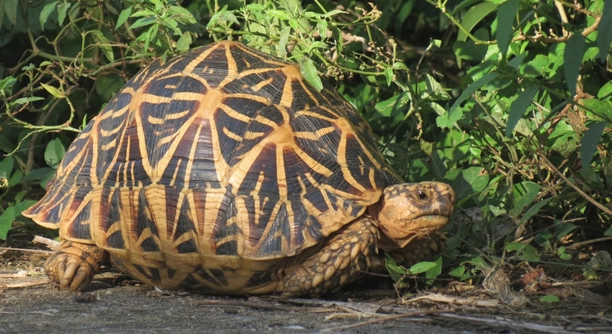
Turtles can be curious creatures, often engaging in various behaviors. One behavior you might notice is your turtle moving in circles, which may leave you wondering what’s going on with your pet. Understanding the cause of this movement is important.
This repetitive circular movement in turtles is often a sign of stress, boredom, or environmental factors such as insufficient space or improper tank conditions. It can also indicate a neurological issue, though this is less common.
Understanding the reasons behind your turtle’s behavior will help you provide a better environment. Knowing the underlying causes can guide you in making adjustments to ensure your turtle’s well-being and comfort.
Common Causes of Circling Behavior in Turtles
Turtles moving in circles may be reacting to various factors in their environment. One of the most common reasons is stress, often caused by an insufficient or overly crowded living space. If your turtle’s tank is too small, it may feel confined, leading it to move in repetitive circles. Turtles need ample space to explore and swim, and when their environment doesn’t meet these needs, it can result in anxious behavior.
Boredom is another frequent cause of circling. Without enough stimulation, turtles may engage in this repetitive motion simply because they have nothing else to do. Introducing different enrichment items, such as rocks, plants, or toys, can help alleviate boredom and encourage more natural behaviors.
Lastly, environmental conditions, such as improper water temperature, lighting, or filtration, can also affect a turtle’s behavior. If these factors are not balanced, it may lead to abnormal actions, including circular movement.
The Role of Stress and Boredom
Stress and boredom often go hand in hand. If your turtle’s environment feels stressful, it may also lead to frustration, which can manifest as circling. Keeping the tank clean, offering enough space, and providing places for your turtle to hide can help manage these issues.
Addressing these environmental factors will help your turtle feel secure and reduce any unnecessary anxiety. Regularly monitor tank conditions and check if your pet is responding to changes in its space or routine.
How Tank Size and Enrichment Impact Behavior
The size of your turtle’s tank plays a major role in its well-being. A cramped space prevents natural movement and can trigger repetitive behaviors. If your turtle is in a small tank, upgrading to a larger one with more room to swim can drastically improve its quality of life.
Along with size, the tank’s setup should include a variety of enriching elements. These can include basking platforms, hiding spots, and plants that simulate a more natural habitat. Giving your turtle options to explore encourages mental stimulation and allows it to express more natural behaviors. This change in environment may reduce the amount of time spent in repetitive actions like circling.
How Water Conditions Affect Behavior
Improper water conditions can cause significant stress for turtles. If the water is too warm or cold, your turtle may act out, including moving in circles. Keeping the water temperature within the ideal range for your species can help reduce stress and promote natural behavior.
The water’s cleanliness also plays a major role in the turtle’s well-being. A dirty tank with poor filtration can lead to unhealthy water, which stresses your turtle. Regular water changes and a proper filtration system will keep your turtle healthy and prevent stress-induced behaviors like circling.
Good water conditions will make your turtle feel more secure and comfortable, preventing unnecessary movements like repetitive circling. This will not only improve its health but also its overall quality of life.
Checking for Health Issues
If circling persists despite making environmental changes, it could be a sign of a health issue. Neurological problems, such as infections or injuries to the brain, may cause disoriented movements. Turtles may also exhibit this behavior if they are unwell or in pain.
A visit to the vet is the best course of action if you suspect a health issue. A professional can help determine whether your turtle has an underlying health problem or if the behavior is due to environmental stress. Early detection can prevent further complications and ensure a healthier, happier turtle.
Make sure to monitor your turtle closely for any additional symptoms, such as loss of appetite or abnormal swimming patterns. If any health concerns arise, addressing them early can make a significant difference in your turtle’s recovery.
The Importance of Proper Lighting
Lighting plays a key role in your turtle’s health. If your turtle’s tank lacks proper UVB lighting, it can cause stress and confusion, leading to abnormal behavior like circling. UVB light helps regulate their biological processes and keeps them active and healthy.
UVB lighting also supports calcium absorption, which is essential for bone health. Without it, your turtle might experience weakened bones and other health problems. Make sure to replace bulbs regularly and ensure that your turtle gets enough exposure to the light.
Tank Mates and Social Interaction
If your turtle is housed with other tank mates, their interactions can affect its behavior. Aggressive or overly territorial tank mates can cause stress, leading to circling. It’s important to monitor interactions to ensure they are peaceful and safe for all animals involved.
Giving each turtle its own space within the tank can reduce aggression and help maintain calm. If necessary, separating them or rearranging the tank layout may reduce stress levels, leading to less abnormal behavior.
FAQ
Why is my turtle spinning in circles?
If your turtle is constantly spinning in circles, it could be due to several factors. Stress from a small or inadequate tank, poor water conditions, or lack of proper lighting are common causes. Additionally, if your turtle has a neurological problem or an injury, it may exhibit this behavior. It’s essential to assess its environment and ensure that it meets the turtle’s needs. If the behavior persists, consider visiting a vet to rule out health concerns.
How do I know if my turtle is stressed?
Turtles can show stress in various ways. If your turtle is spending an excessive amount of time at the surface, basking more than usual, or moving aimlessly, it might be stressed. Other signs include erratic swimming, loss of appetite, or changes in its usual behavior. A dirty tank, poor water temperature, or a lack of space are common stress triggers. Checking these factors and ensuring your turtle’s environment is properly maintained can help reduce stress.
What are the signs that my turtle is sick?
A sick turtle will often show physical or behavioral changes. Look for signs like lethargy, loss of appetite, swollen eyes, or discharge from the nose. Unusual swimming patterns, including erratic movements or staying at the bottom of the tank, can indicate health issues. If your turtle appears sick, it’s best to consult a vet for proper diagnosis and treatment.
Can my turtle’s diet affect its behavior?
Yes, a poor diet can negatively impact your turtle’s behavior. Turtles require a balanced diet with the right mix of protein, vegetables, and calcium. If your turtle isn’t receiving the proper nutrients, it could become lethargic, stressed, or display abnormal behaviors. Providing a well-rounded diet can improve your turtle’s health and overall behavior. Avoid overfeeding, as this can lead to obesity and other health problems.
Is it normal for turtles to swim in circles?
Occasional swimming in circles can be normal, especially if your turtle is exploring or moving around its tank. However, if the circling becomes excessive or repetitive, it might indicate a problem. Stress, boredom, or health issues can cause this behavior. Evaluate your turtle’s environment, including water conditions, tank size, and lighting. If the behavior doesn’t stop, consult a vet.
Can turtles get bored?
Yes, turtles can get bored, especially if they don’t have enough to do in their environment. A lack of stimulation can lead to repetitive behaviors like swimming in circles or basking excessively. Providing enrichment, such as rocks, plants, or even safe toys, can help keep your turtle engaged and reduce boredom. Make sure the tank setup allows for natural behaviors like hiding, swimming, and climbing.
What temperature should my turtle’s tank be?
The temperature of your turtle’s tank should be carefully monitored. Most freshwater turtles require water temperatures between 75°F and 80°F (24°C and 27°C). The basking area should be slightly warmer, around 85°F to 90°F (29°C to 32°C). Maintaining the proper temperature is essential for digestion and overall health. An aquarium heater and thermometer will help regulate the tank’s temperature.
How much space does my turtle need?
Turtles need space to roam and swim freely. The general rule of thumb is that the tank should be at least 10 gallons of water per inch of your turtle’s shell length. If your turtle is growing, you will need to upgrade the tank size accordingly. A larger tank provides a more comfortable environment and reduces the risk of stress-related behaviors like circling.
Can my turtle’s behavior change as it gets older?
Yes, a turtle’s behavior can change with age. Younger turtles are often more active and curious, while older turtles may become less active and spend more time basking. However, if you notice a significant change in behavior, like excessive circling or lethargy, it could indicate an underlying health issue or environmental problem. Regular checkups and proper care can help manage these changes.
How can I help my turtle feel more comfortable in its tank?
To make your turtle feel more comfortable, ensure the tank mimics its natural habitat as closely as possible. This includes proper lighting, a clean and properly filtered water system, and hiding spots for your turtle to retreat to when it feels stressed. Providing both shallow and deep areas for swimming and basking will allow your turtle to regulate its body temperature. A well-maintained environment will help your turtle feel more at ease and reduce anxiety.
Final Thoughts
Understanding why your turtle is moving in circles can be a process of trial and error. It’s important to consider several factors, from water quality to health concerns, to find the root cause of the behavior. In many cases, improving the tank environment can help reduce stress and make your turtle feel more comfortable. This includes ensuring proper water temperature, cleaning the tank regularly, and providing adequate lighting. If your turtle continues to circle despite these changes, it may be worth consulting a veterinarian to rule out any medical conditions that could be affecting its behavior.
Turtles are sensitive creatures, and their behavior can reflect their overall well-being. When they are in an environment that meets their needs, they tend to be more active and healthy. A well-maintained tank is essential for promoting positive behavior, as it provides the right space, temperature, and conditions to thrive. Additionally, monitoring your turtle’s diet and giving it enough enrichment can further improve its quality of life. Addressing the underlying causes of circling will not only help the immediate situation but will also contribute to your turtle’s long-term health and happiness.
Lastly, remember that every turtle is unique, and their behavior can vary. What works for one turtle may not be effective for another. It’s important to observe and adjust as needed. Regular checkups with a vet are a great way to stay ahead of any potential health issues, ensuring that your turtle lives a long and healthy life. By providing the right care and environment, you can help your turtle thrive and avoid unwanted behaviors like circling.

Hello,
If you enjoy the content that we create, please consider saying a "Thank You!" by leaving a tip.
Every little bit helps us continue crafting quality advice that supports the health, happiness, and well-being of pets around the world, for pets of all shapes, sizes, and species.
We really appreciate the kindness and support that you show us!