
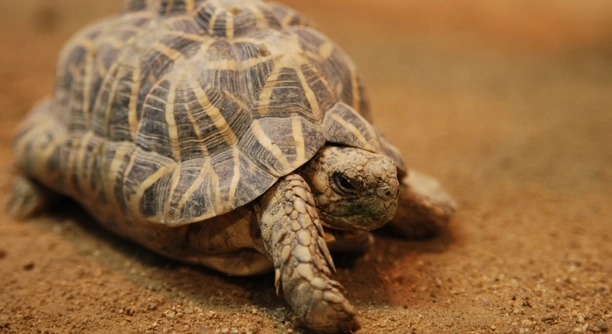
Turtles are a valuable part of our ecosystem, but outdoor turtles face many dangers from predators. Keeping them safe requires careful thought and action to ensure their well-being.
To protect outdoor turtles from predators, create a safe environment using physical barriers, shelters, and monitoring methods. These strategies help reduce the risks posed by animals such as raccoons, foxes, and birds of prey, ensuring the turtles’ survival.
Taking simple steps to safeguard outdoor turtles can make a big difference in their survival. With these methods, you can help keep them safe from harm.
Build a Secure Habitat for Your Turtles
Creating a safe space for outdoor turtles starts with providing a secure habitat. Fencing is one of the most effective methods to protect them from predators. Use sturdy materials like chicken wire or welded wire, ensuring the fence is tall enough to prevent climbing. Bury the base of the fence a few inches into the ground to stop animals from digging underneath.
If you have access to a small enclosure, it can provide additional protection from larger predators. This way, the turtles are not only safe from predators but can also enjoy a more controlled environment. Turtles often feel safer in a more defined space where they can easily hide and retreat when needed.
Adding natural elements like dense plants or rocks can offer shelter and shade, creating a more inviting and protective environment for the turtles. The more varied and secure the habitat, the better the chance of deterring predators.
Use Shelters to Keep Turtles Hidden
Hiding spots are essential for turtles, especially in areas with higher predator activity. Small shelters made from rocks, logs, or even plastic boxes can provide a secure place for them to rest.
Turtles are particularly vulnerable during the night when many predators are more active. A safe hiding space offers them the opportunity to retreat and remain hidden, reducing the risk of encountering dangerous animals like foxes or raccoons.
These shelters should be positioned away from high-traffic areas and where the turtles are less likely to be disturbed. Always check the shelters to make sure they remain safe and clean.
Use Motion-Activated Lights
Motion-activated lights are an effective way to deter nocturnal predators. By setting up these lights around the turtle’s habitat, you can create a less inviting environment for animals that rely on the cover of darkness to hunt.
Predators such as raccoons, skunks, and foxes are often deterred by sudden light, making them think twice before approaching. These lights can be placed near the turtle’s shelter or in areas that tend to attract unwanted visitors. The bright light can startle them and prevent them from coming too close.
These lights should be set to activate only during the night. They will not only help keep predators away but also give you peace of mind when the turtles are most vulnerable. Just be sure the lights don’t disturb the turtles’ natural cycle.
Provide a Safe Retreat Spot
Turtles need a retreat spot where they can escape to when feeling threatened. This could be an area with dense vegetation or an artificial shelter. Having multiple spots for retreat will ensure the turtles always have a safe place to hide.
Turtles are often preyed upon by birds of prey, raccoons, and larger mammals. The retreat spots should be placed in areas that offer protection but also allow easy access for the turtles. Areas with a lot of bushes or rocks are perfect for this purpose, as they provide both shelter and camouflage.
These retreat spots should be located away from direct sunlight and should be positioned where the turtles feel secure from predators. Regularly checking these spots helps make sure they remain intact and functional.
Use Natural Barriers
Natural barriers such as bushes, shrubs, or trees can offer added protection for outdoor turtles. These natural elements can obstruct the path of predators, making it harder for them to reach the turtles.
These plants not only serve as barriers but also provide shelter and camouflage. When placed strategically around the habitat, they can block predators’ line of sight and give turtles a safe space to retreat into. Over time, these natural barriers can grow denser, increasing the level of protection for the turtles.
Supervise Outdoor Time
Supervising outdoor time for your turtles can reduce their risk of encountering predators. While this requires extra effort, it provides an added layer of safety.
Watching them ensures you can react quickly if a predator approaches. It also allows you to observe their behavior and spot potential threats early. Keeping an eye on them can also help in case of sudden weather changes or other environmental dangers.
Use Secure Feeding Areas
When feeding outdoor turtles, ensure the food is provided in a secure area away from predators. This prevents attracting unwanted animals into the turtle’s living space.
Feeding turtles in a protected area reduces the risk of scavengers and predators from taking advantage of the food. Keep the feeding area clean and free from scraps, as this can also attract pests.
FAQ
How can I tell if my turtle is in danger from predators?
Turtles in danger from predators may show signs of stress or alertness, like frequently hiding or being unusually active. If your turtle seems anxious or constantly tries to escape, this could indicate that it feels threatened. Predators, especially during the night, are most likely to approach if the turtle is in an exposed or vulnerable position. Check for signs of predators like tracks or droppings near the habitat, which can also point to danger.
What types of predators are a threat to outdoor turtles?
Outdoor turtles face threats from a variety of predators, including raccoons, foxes, skunks, birds of prey, and even domestic pets. These animals can pose a significant danger, especially to hatchlings and smaller turtles. Raccoons, in particular, are known to target turtle nests. Birds of prey such as hawks and owls may try to catch turtles, especially when they are resting out in the open. Domestic cats and dogs can also be a threat if allowed to roam freely in areas where turtles are kept.
How do I keep birds of prey away from my turtles?
To protect your turtles from birds of prey, provide them with adequate shelter where they can hide. Dense foliage, bushes, and raised shelters give turtles a place to retreat. Additionally, motion-activated scare devices such as predator eyes, fake owls, or shiny objects can make the area feel unsafe for birds. Regularly monitoring the environment and ensuring that your turtles have access to hidden areas can minimize the risk of birds swooping in.
Is it safe to let my turtle roam freely outside?
Letting a turtle roam outside is only safe when proper precautions are taken. A secure, predator-proof enclosure or a fenced-off area is essential. If you plan to allow your turtle to roam outside freely, ensure the area is protected from potential predators. Keeping a watchful eye on them and providing safe hiding spots will minimize the risk of danger. Always supervise outdoor time, particularly during the night when predators are most active.
What can I do to protect baby turtles from predators?
Baby turtles are especially vulnerable to predators due to their small size. Keeping them in an enclosed, secure area or a specially designed turtle pen with solid barriers can offer protection. Providing plenty of hiding spots, such as small rocks or sheltered areas, can help them escape threats. Keeping their feeding area clean and free from excess food waste can also prevent attracting unwanted predators. If possible, supervise their outdoor activities to ensure safety.
How can I prevent predators from digging under the fence to get to my turtle?
To prevent predators from digging under the fence, bury the bottom of the fence several inches into the ground. You can use chicken wire or welded wire to create an underground barrier. Make sure the fence is tall enough to deter animals from climbing over it. Adding a layer of rocks or gravel at the base can also help discourage digging. Regularly inspect the fence for any signs of digging and repair any weak spots promptly.
Do turtles need to be brought inside during the night?
While it’s not always necessary to bring turtles inside during the night, it can provide added protection from nocturnal predators. If your turtle is in an outdoor enclosure, ensure it’s secure and properly shielded. Nighttime is when many predators are most active, so providing a safe, enclosed environment is critical. If you’re concerned about the risk, bringing the turtle inside temporarily during the night might be a good option.
Can I use plants to protect my turtles from predators?
Yes, planting dense shrubs, bushes, and tall grasses around your turtle’s habitat can act as a natural barrier against predators. These plants provide cover and camouflage for turtles, making it more difficult for predators to spot them. Make sure the plants are non-toxic to turtles and don’t obstruct their ability to move freely. The addition of plants also helps create a more natural and comfortable environment for the turtles.
What is the best way to protect my turtles from raccoons?
Raccoons are notorious for trying to access turtle enclosures. To keep them away, ensure the fencing is high enough and buried deep enough to prevent digging. Raccoons are excellent climbers and can easily scale low fences. You can use a top covering for the enclosure to prevent raccoons from reaching in. Additionally, raccoons are attracted to food, so keep the feeding area clean and remove any food scraps that could lure them in.
How do I know if my turtle’s habitat is secure?
To check if your turtle’s habitat is secure, look for any potential entry points that predators might use. Inspect the fence or enclosure for gaps, weak spots, or areas where animals could dig under. Ensure that there is no easy access for predators from above, especially if the enclosure is low. Also, make sure the area has adequate hiding spots for the turtles. Regularly monitor the environment to ensure that the habitat remains safe and secure.
Final Thoughts
Keeping outdoor turtles safe from predators requires consistent effort and a well-thought-out approach. The first step is to create a secure habitat with proper barriers, such as fences and natural obstacles. These barriers can make it harder for predators to access the turtles. In addition, it’s crucial to choose the right location for the turtles’ habitat. Areas with dense plants or other hiding spots offer protection and give turtles a safe place to retreat if needed. With these precautions in place, turtles are better protected from predators that may try to harm them.
Regular supervision is also an important part of protecting turtles. While outdoor enclosures can be effective, being vigilant is key to ensuring that no predators manage to get in. If possible, watch the turtles closely when they are outside. Checking for signs of predators, such as tracks or droppings, can help you stay ahead of any potential threats. However, if you’re unable to supervise them constantly, having a secure, well-protected area for the turtles to roam is even more essential. This can be a combination of natural barriers and physical enclosures that prevent predators from accessing the turtles.
Ultimately, the well-being of outdoor turtles depends on how secure their environment is. By combining a sturdy, predator-proof enclosure, safe feeding practices, and consistent supervision, you can significantly reduce the risk of threats. Being proactive about protecting your turtles from potential harm ensures they have a peaceful and safe life outdoors. While the process may require some time and effort, the peace of mind knowing that your turtles are safe from predators is worth the investment.

Hello,
If you enjoy the content that we create, please consider saying a "Thank You!" by leaving a tip.
Every little bit helps us continue crafting quality advice that supports the health, happiness, and well-being of pets around the world, for pets of all shapes, sizes, and species.
We really appreciate the kindness and support that you show us!